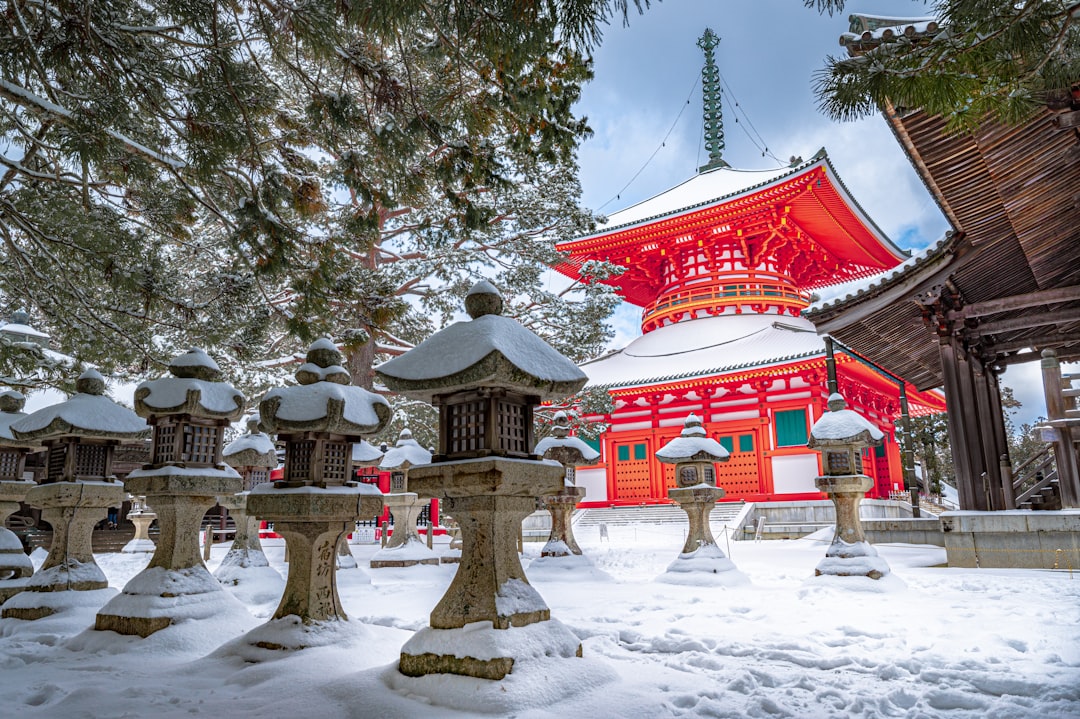
What Is Hatsumode?
Hatsumode (初詣) is the tradition of visiting a Shinto shrine or Buddhist temple for the first time in the New Year to pray for health, happiness, and good fortune. For centuries, this ritual has marked the beginning of the year for millions of people across Japan, and today it remains one of the most popular winter activities for both locals and visitors. If you are planning a winter trip to Japan around the New Year holidays, joining hatsumode is one of the most authentic cultural experiences you can have.
When Should You Go?
Traditionally, hatsumode takes place between January 1st and January 3rd, the period known as “sanganichi.” However, many people continue to consider visits acceptable throughout the entire month of January, especially before the Lantern Festival period ends or before the fifteenth day of the month (Koshogatsu). This flexibility is great news for travelers who want to avoid the biggest crowds.
Crowd Avoidance Strategy
- The first three days of January see the highest crowds, sometimes with wait times of several hours at famous shrines like Meiji Jingu or Fushimi Inari Taisha.
- Consider visiting very early in the morning (before sunrise) or late at night on January 1st, when lines are shorter but the atmosphere is still festive.
- Mid-to-late January offers a much calmer experience while still being within the acceptable hatsumode window.
- Smaller neighborhood shrines are just as spiritually valid as famous ones and almost always have minimal waiting times.
Step-by-Step Shrine Etiquette
1. Passing Through the Torii Gate
Before entering, give a small bow at the torii gate. It is considered polite to walk slightly to the side of the central path, as the middle is traditionally reserved for the deity.
2. Purification at the Temizuya
Near the entrance you will find a water basin called temizuya. Use the ladle to rinse your left hand, then your right hand, then pour a little water into your left hand to rinse your mouth (without touching the ladle to your lips), rinse your left hand again, and finally let the remaining water cleanse the handle of the ladle before returning it.
3. Approaching the Main Hall
Queue patiently and, when it is your turn, toss a coin into the offering box. A five-yen coin (go-en) is considered especially auspicious because it is a homophone for “good connection” or “good fortune.”
4. The Bowing and Clapping Ritual
The standard prayer sequence at most Shinto shrines is: bow deeply twice, clap your hands twice, make your wish or prayer silently, then bow deeply once more. This is often summarized as “ni-rei, ni-hakushu, ichi-rei” (two bows, two claps, one bow). Buddhist temples follow a different, quieter etiquette of simply pressing your palms together without clapping.
Omikuji, Ema, and Charms
After praying, many visitors draw an omikuji, a paper fortune ranging from great blessing to great curse. If you receive bad luck, it is customary to tie the paper to a designated rack or tree branch on the shrine grounds to leave the misfortune behind rather than take it home.
You may also purchase an ema, a small wooden plaque on which you write your wishes for the year before hanging it at the shrine. Omamori, protective amulets for health, safety, study success, or good relationships, make wonderful souvenirs and are typically renewed each year by returning the old one to the shrine.
What to Wear: Cold Weather Preparation
Hatsumode takes place in the depths of Japanese winter, so dressing appropriately is essential, especially since you may be standing outdoors in line for a long time. Consider the following cold-weather tips:
- Layer thermal underwear beneath your outerwear, as standing still in queues makes you feel the cold more than walking.
- Wear a heavy coat, scarf, gloves, and a hat, since much of your body heat escapes from your head and neck.
- Choose insulated, waterproof boots, as shrine grounds are often unpaved and can be icy or snowy depending on the region.
- Bring disposable heat packs (kairo), which are sold at every convenience store and can be slipped into pockets or shoes for hours of warmth.
- Carry a thermos or buy a hot drink from a vending machine; many shrines also sell warm amazake (sweet fermented rice drink) during the New Year period.
Popular Shrines for Hatsumode
While every region has its own beloved local shrines, some of the most visited nationwide include Meiji Jingu in Tokyo, Kawasaki Daishi in Kanagawa, Sumiyoshi Taisha in Osaka, Fushimi Inari Taisha in Kyoto, and Dazaifu Tenmangu in Fukuoka. These major sites often host food stalls, warm drinks, and festive illumination, making the visit feel like a true winter festival even amid the cold.
Common Mistakes to Avoid
- Do not walk directly through the center of the torii gate path; this space is reserved for the resident deity.
- Avoid loud conversations or disruptive behavior near the main hall, as it remains a place of worship despite the festive crowds.
- Do not take photographs of other worshippers praying without permission.
- Refrain from eating or drinking while walking through the shrine grounds; find a designated area instead.
- Do not skip the purification step at the temizuya, even if the line is long, as it is considered an essential part of the ritual.
Making the Most of Your Winter Visit
Hatsumode is more than just a religious formality; it is a wonderful cultural window into how Japanese society welcomes each new year with hope and gratitude. Pairing your shrine visit with other winter activities, such as viewing seasonal illuminations, warming up with a bowl of hot udon, or relaxing under a kotatsu afterward, can turn this single tradition into an unforgettable centerpiece of your Japan winter itinerary. Whether you join the massive crowds at a famous Tokyo shrine or find a quiet countryside shrine blanketed in snow, the experience of hatsumode offers a meaningful and memorable start to your journey through Japan.
Photo by Samuel Berner on Unsplash