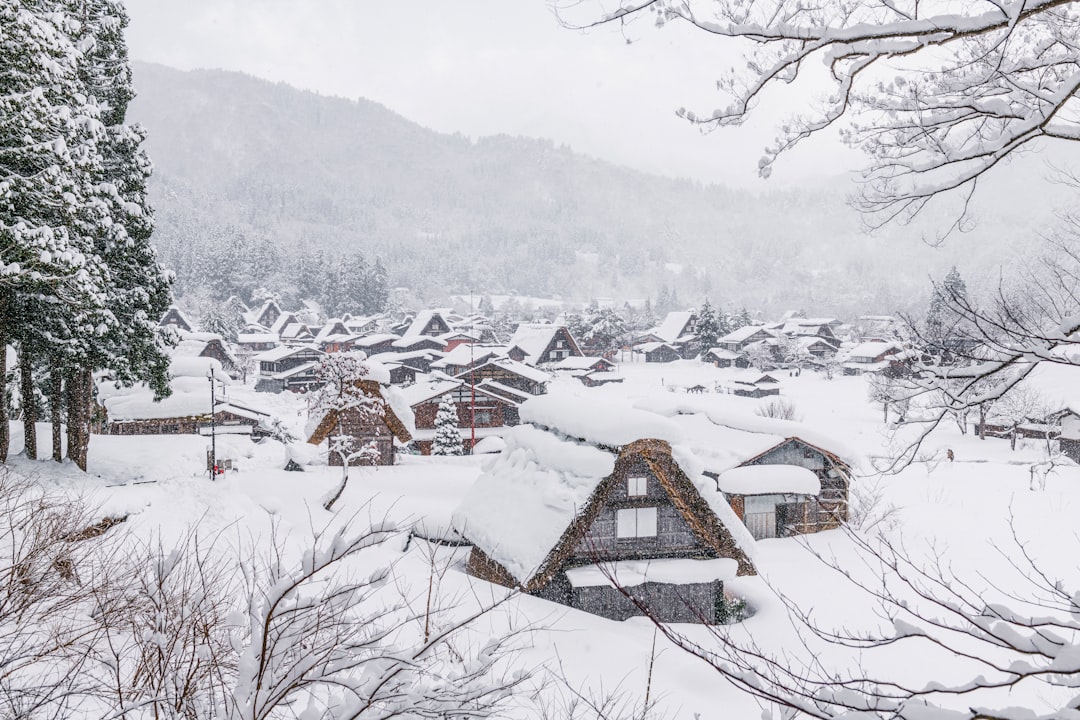

Photo by Hyungman Jeon on Unsplash
The Magic of Shirakawa-go’s Winter Illumination
Few sights in Japan capture the imagination quite like the snow-covered thatched-roof houses of Shirakawa-go glowing softly under warm lantern light. This UNESCO World Heritage village, tucked into the mountains of Gifu Prefecture, transforms into a fairy-tale scene during its winter illumination events, when the iconic gassho-zukuri farmhouses are lit up against a backdrop of deep snow. If you’re planning to witness this breathtaking spectacle, careful preparation is essential, as the event draws huge crowds and requires advance planning. Here is everything you need to know to make the most of your visit.
What Is the Shirakawa-go Winter Illumination?
The winter illumination event is held on a limited number of evenings each winter season, usually spanning from mid-January through early February, though exact dates vary annually based on official announcements. During these special nights, the village’s historic farmhouses are illuminated with warm lighting that highlights their steep thatched roofs, especially striking when covered in fresh snow. The result is a scene that looks like it has stepped straight out of a folk tale, and it has become one of the most photographed winter scenes in all of Japan.
Because of its popularity and the village’s limited infrastructure, Shirakawa-go strictly controls the number of visitors during illumination nights through a mandatory reservation system. This is the single most important thing to understand before planning your trip.
Essential Tip #1: Reservations Are Mandatory
Unlike many attractions in Japan, you cannot simply show up to see the winter illumination. Visitors must secure advance reservations for both parking or shuttle bus transportation and, in some cases, timed entry. These reservations typically open several weeks before the illumination season begins and sell out extremely quickly, often within minutes for weekend dates.
- Check the official Shirakawa-go tourism website regularly in early winter for reservation announcements.
- Weekend and Saturday night sessions are the most competitive and sell out fastest.
- Have your travel dates flexible if possible, as popular nights disappear almost immediately.
- Reservations are usually required for shuttle buses departing from designated parking areas, since general parking near the village is closed during illumination nights.
Essential Tip #2: Plan Your Transportation Carefully
Shirakawa-go is not served by train, so transportation requires some planning even outside of illumination season. During the winter light-up events, private vehicles cannot park directly in the village, and visitors are shuttled in from remote parking lots via reserved buses.
- If traveling from Takayama, Kanazawa, or Nagoya, check for special illumination-season bus packages that combine transportation with entry reservations.
- Winter mountain roads can be treacherous, so if you must drive, ensure your vehicle has snow tires or chains and check road conditions before departing.
- Public bus services to Shirakawa-go can be reduced or altered during winter, so always verify the latest timetables in advance.
- Arriving early in the day allows time to explore the village in daylight before the evening illumination begins.
Essential Tip #3: Dress for Extreme Cold
Shirakawa-go sits in a mountain basin known for heavy snowfall and bitterly cold winter temperatures, often dropping well below freezing after sunset. Standing outdoors for photography and viewing can be uncomfortable without proper preparation.
- Wear thermal base layers, a heavy insulated coat, waterproof snow boots, gloves, and a warm hat.
- Hand and foot warmers (kairo) are inexpensive and widely available at convenience stores in Japan—bring several.
- Waterproof pants or snow-resistant outer layers help if you plan to walk through deep snow off the main paths.
- Bring a thermos with a hot drink, as few shops remain open late into the illumination evening.
Essential Tip #4: Best Viewing and Photography Spots
The Shiroyama Viewpoint, located on a hillside overlooking the village, offers the classic panoramic shot of the illuminated houses nestled in the valley. This spot is extremely popular during illumination nights, so arrive early and expect to wait in line for the best photography position.
- Bring a tripod if allowed, since low light conditions require longer exposures for sharp images without excessive noise.
- A camera with good low-light performance, or a smartphone with night mode, will produce the best results.
- Within the village itself, wandering the main street offers close-up views of individual farmhouses glowing against the snow, providing a more intimate photography experience than the distant viewpoint.
- Keep your camera battery warm in an inner pocket, as cold temperatures drain battery life quickly.
Essential Tip #5: Manage Crowds and Timing
Illumination nights attract large numbers of domestic and international visitors, and the village’s narrow streets and pathways can become congested. Patience and strategic timing can make a significant difference to your experience.
- The illumination typically runs for a set window in the early evening, so plan to arrive right at the opening time to enjoy the scene before peak crowds build.
- The viewpoint area often has a one-way flow of foot traffic to manage congestion, so be prepared to move along rather than linger indefinitely.
- Photography from the viewpoint is best in the first half hour after lighting begins, before the area becomes too crowded to reposition.
- Consider visiting on a weekday illumination date if your schedule allows, as these tend to be noticeably less crowded than weekends.
Essential Tip #6: Where to Stay Nearby
Since evening transportation from Shirakawa-go can be limited and roads are icy, staying overnight either within the village or in a nearby town is highly recommended rather than attempting a long return journey the same night.
- A limited number of traditional gassho-zukuri guesthouses within the village offer an unforgettable overnight experience, though these book out very early for winter season.
- Takayama, roughly an hour away, offers a wider range of hotels and ryokan with easier access to transportation.
- Kanazawa is another convenient base with excellent train and bus connections, suitable for those combining Shirakawa-go with a broader Hokuriku itinerary.
Essential Tip #7: Consider Alternative Winter Views
If reservations for the official illumination nights are unavailable, Shirakawa-go remains stunning simply covered in snow during regular daytime hours throughout winter. Visiting on a clear winter morning after fresh snowfall offers a peaceful, less crowded alternative with excellent photography opportunities and none of the reservation hassle.
Nearby Gokayama, another UNESCO-listed gassho-zukuri village, also holds its own smaller-scale winter illumination events and tends to be considerably less crowded than Shirakawa-go, making it a worthwhile alternative or complementary destination.
Final Thoughts
Witnessing Shirakawa-go’s winter illumination is a bucket-list experience for many visitors to Japan, offering a rare glimpse of traditional rural architecture transformed into a glowing winter wonderland. Success comes down to careful planning: secure your reservations as early as possible, dress warmly for extreme cold, arrive early for the best viewpoints, and have a backup plan in case dates sell out. With the right preparation, this snowy mountain village will reward you with one of the most magical scenes Japan’s winter season has to offer.