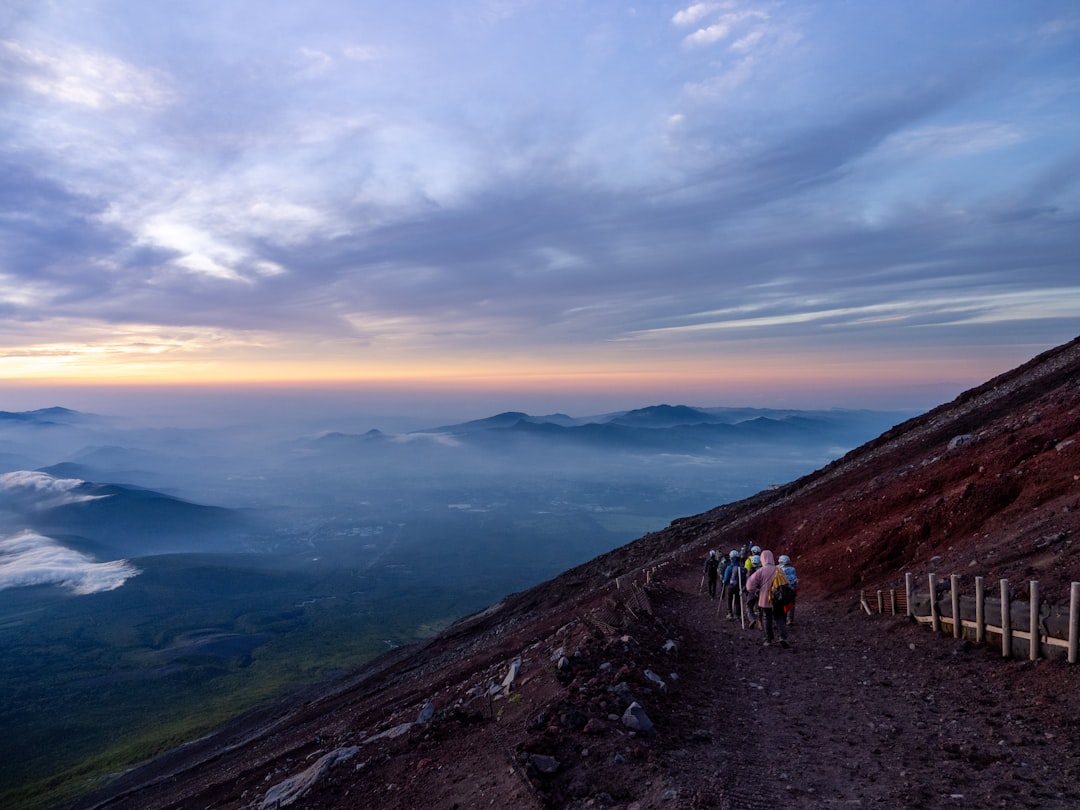

Photo by YANGHONG YU on Unsplash
Introduction
Mount Fuji, Japan’s tallest and most iconic mountain, draws hundreds of thousands of hikers every year who want to stand on its crater rim and watch the sunrise from 3,776 meters above sea level. But unlike many mountains around the world, Mount Fuji cannot be climbed year-round. Its official climbing season is short, tightly regulated, and shaped by the mountain’s harsh alpine weather. This guide covers everything you need to know about the Mount Fuji climbing season, including the best time to climb, trail options, safety tips, and what to expect on the mountain.
When Is Mount Fuji Climbing Season?
The official Mount Fuji climbing season typically runs from early July to early September, lasting about two months. During this window, mountain huts are open, trails are maintained, first-aid stations are staffed, and public transportation runs directly to the fifth stations of each trail. Exact opening and closing dates vary slightly by trail and by year depending on snow melt, so it’s always worth checking the official Mount Fuji climbing website or your chosen trail’s local government page shortly before your trip.
Outside of this window, the mountain is considered off-season, and climbing is strongly discouraged for safety reasons explained further below.
Why the Climbing Season Is So Limited
Mount Fuji is a volcano with an alpine climate at higher elevations, meaning snow can linger into early summer and return as early as autumn. During the official season, temperatures on the summit hover between freezing and single digits Celsius even in mid-summer, but conditions are manageable with proper gear. Before and after the season, ice, high winds, and closed facilities make the mountain far more dangerous, and rescue services are limited or unavailable.
The Four Main Trails to the Summit
Yoshida Trail
The most popular and beginner-friendly route, the Yoshida Trail starts from the Fuji Subaru Line 5th Station on the Yamanashi Prefecture side. It has the most mountain huts, the best facilities, and the easiest access from Tokyo, making it ideal for first-time climbers.
Subashiri Trail
Starting slightly lower than Yoshida, this trail merges with the Yoshida route near the 8th station. It’s quieter in the lower sections and passes through a beautiful forested area before opening onto volcanic terrain.
Gotemba Trail
The longest and steepest route, Gotemba starts from the lowest elevation of all four trails, making it a serious challenge best suited for experienced hikers seeking solitude and a more rugged experience.
Fujinomiya Trail
Located on the Shizuoka Prefecture side, this is the shortest route to the summit and offers close access to the Osawa Kuzure landslide area, though it can get crowded near the huts.
Best Time to Climb During the Season
Within the official climbing season, timing your ascent carefully can make a huge difference to your experience.
- Weekdays over weekends: Trails and huts are significantly less crowded on weekdays, especially outside of the peak mid-summer holiday period.
- Early vs. late season: Early July can still have leftover snow patches near the summit, while early September offers cooler, clearer weather with thinner crowds, though huts may begin closing.
- Sunrise climbs (Goraiko): Many climbers start in the afternoon or evening, rest at a mountain hut, and continue climbing overnight to reach the summit in time for sunrise. This is considered one of the most magical experiences on the mountain.
- Avoid overnight non-stop climbing without rest: Attempting to summit in one continuous overnight push without a hut break increases the risk of altitude sickness and exhaustion.
What to Pack and Wear
Even during the official season, Mount Fuji’s summit can be windy, rainy, and near freezing at night. Proper preparation is essential.
- Layered clothing including a warm insulating layer and a waterproof, windproof outer shell
- Sturdy hiking boots with ankle support
- Headlamp with spare batteries for night hiking
- Gloves, hat, and warm socks
- Rain gear, as weather can change rapidly
- Snacks, water, and cash for hut purchases (many huts don’t accept cards)
- Portable oxygen canister for altitude discomfort
- Trekking poles for stability on volcanic gravel
Climbing Mount Fuji Off-Season
Climbing outside the official season is only recommended for highly experienced mountaineers with winter climbing skills, ice axes, crampons, and full alpine gear. Facilities are closed, trails are unmarked or snow-covered, and emergency response is extremely limited. For the vast majority of travelers, sticking to the official season is the safest and most rewarding choice.
Reservations, Fees, and Regulations
To manage overcrowding and protect the mountain environment, authorities have introduced measures such as a voluntary conservation donation and, on the busiest trail, a nighttime entry restriction along with a small trail usage fee and a daily climber cap during peak season. Reservations for popular mountain huts should be made well in advance, sometimes months ahead, as they fill up quickly during peak weeks. Always check the latest local regulations before your trip, as rules are updated periodically to improve safety and sustainability.
Tips for a Successful Climb
- Acclimatize at the fifth station for at least an hour before starting your ascent
- Pace yourself with slow, steady steps to reduce altitude sickness risk
- Book a mountain hut in advance rather than climbing straight through the night
- Check weather forecasts the morning of your climb, as conditions change quickly
- Carry out all your trash, as there are no bins on the mountain
- Start early if attempting a day climb to avoid descending in the dark
Frequently Asked Questions
Do I need a permit to climb Mount Fuji? No formal permit is required, but reservations for huts and awareness of any entry fees or restrictions are strongly recommended.
How long does it take to climb Mount Fuji? Most climbers take five to seven hours to ascend and three to five hours to descend, depending on fitness and trail conditions.
Is Mount Fuji hard to climb? It’s a long, steep hike rather than a technical climb, but the altitude and duration make fitness and preparation important.
Final Thoughts
Climbing Mount Fuji during its official season offers a unique blend of natural beauty, cultural significance, and personal achievement. By planning your trip around the right dates, choosing a suitable trail, and preparing properly for the conditions, you’ll set yourself up for a safe and unforgettable journey to the roof of Japan.