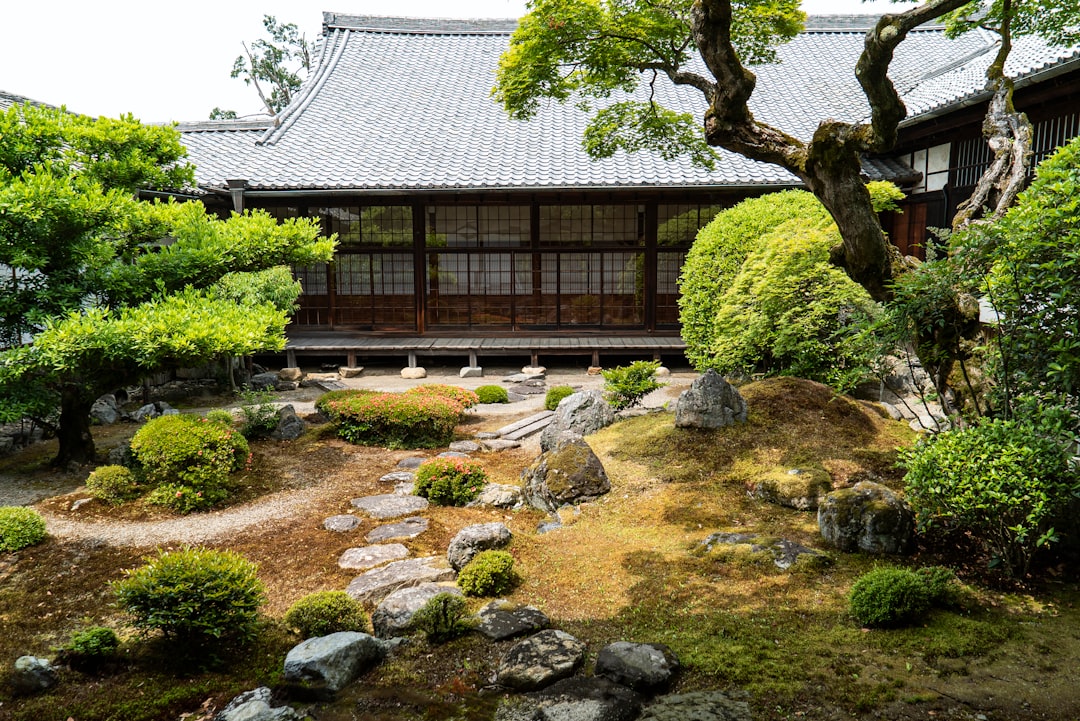

Photo by David Emrich on Unsplash
Kyoto is home to over 1,600 Buddhist temples, yet most visitors only ever see a handful of famous names like Kiyomizu-dera, Kinkaku-ji, and Fushimi Inari. While these landmarks are stunning, they also come with tour buses, selfie sticks, and crowds that can make quiet contemplation nearly impossible. If you’re looking for the real soul of Kyoto, the hidden temples scattered throughout the city’s backstreets, mountainsides, and bamboo groves offer something far more rewarding: silence, moss-covered stone paths, and centuries of untouched atmosphere.
Why Seek Out Kyoto’s Hidden Temples?
Kyoto served as Japan’s imperial capital for over a thousand years, and its temples reflect an extraordinary range of architectural styles, garden philosophies, and religious traditions. The famous sites earned their popularity for good reason, but that same popularity has changed the experience of visiting them. Hidden temples, by contrast, often remain exactly as they were centuries ago: quiet spaces for prayer, reflection, and seasonal beauty. Visiting these off-the-beaten-path locations also supports smaller temple communities and helps distribute tourism more sustainably across the city.
1. Jojakko-ji Temple (Arashiyama)
Tucked into the hillside above the famous Arashiyama bamboo grove, Jojakko-ji is often overlooked by visitors rushing toward Tenryu-ji. A steep stone staircase leads through thick maple canopy to a weathered wooden gate and a small multi-story pagoda with panoramic views over the Kyoto basin. In autumn, the entire hillside turns crimson, yet the crowds here remain a fraction of those at nearby attractions.
2. Gio-ji Temple (Arashiyama)
Just a short walk from Jojakko-ji, Gio-ji is a tiny thatched-roof temple famous for its lush, velvety moss garden. According to legend, the temple was once home to a heartbroken shirabyoshi dancer who retreated here after being cast aside by a powerful warlord. The intimate scale of the grounds and the vivid green moss make it one of Kyoto’s most photogenic yet peaceful corners.
3. Honen-in Temple (Philosopher’s Path)
While thousands walk the Philosopher’s Path each day, few detour into Honen-in, hidden behind a canopy of trees just off the main route. Two thatched gates mark the entrance, followed by raked white sand mounds symbolizing purity. The temple hosts occasional art exhibitions in its former lecture hall, blending traditional Buddhist space with contemporary culture.
4. Shinnyo-do Temple
Northeast of the Philosopher’s Path, Shinnyo-do is a sprawling temple complex with a three-story pagoda and expansive gardens that burst into fiery color each autumn. Despite its size and beauty, it receives only a fraction of the visitors seen at Kyoto’s headline temples, making it ideal for unhurried exploration.
5. Sanzen-in Temple (Ohara Village)
A short bus ride north of central Kyoto, the rural village of Ohara feels worlds away from the city center. Sanzen-in’s moss garden, dotted with small stone statues of Jizo, is one of the most enchanting landscapes in the region. Because Ohara requires a bit more effort to reach, it remains blissfully uncrowded even during peak seasons.
6. Anraku-ji Temple
Near Honen-in, Anraku-ji is a small temple with a poignant history tied to two nuns who chose religious life after a tragic imperial love affair. It’s typically only open to the public during specific seasonal periods, which adds to its air of exclusivity and mystery. When open, its thatched roof and quiet garden make for a deeply peaceful stop.
7. Komyo-ji Temple (Nagaokakyo)
Located slightly outside central Kyoto in Nagaokakyo, Komyo-ji is famous among local photographers for its momiji (maple) approach, yet remains virtually unknown to international tourists. The long, tree-lined pathway leading to the main hall becomes a tunnel of color in autumn, rivaling more famous foliage spots without the accompanying crowds.
8. Zuiho-in (Daitoku-ji Complex)
Daitoku-ji is a massive temple complex made up of numerous sub-temples, and while a few are well known, Zuiho-in remains relatively quiet. Its rock garden, designed to evoke ocean waves and a Christian cross motif, reflects a fascinating blend of Zen philosophy and hidden religious history from Japan’s era of persecuted Christians.
9. Kurama-dera Temple
Perched on a mountainside north of the city, Kurama-dera requires a scenic train ride and a forest hike to reach, naturally filtering out casual visitors. The temple is steeped in legend, said to be the training ground of mythical tengu spirits, and offers sweeping views along with mineral hot springs nearby for a relaxing finish to the climb.
Tips for Visiting Kyoto’s Hidden Temples
- Travel early in the morning or late afternoon, even at lesser-known sites, to enjoy maximum tranquility.
- Check opening seasons carefully, as some smaller temples like Anraku-ji only open during specific weeks of the year.
- Consider renting a bicycle for areas like Arashiyama and the Philosopher’s Path, since hidden temples are often a short walk beyond the main tourist clusters.
- Bring cash, as many smaller temples do not accept credit cards for entrance fees or souvenirs.
- Dress respectfully and keep voices low, remembering these are active places of worship, not simply photo backdrops.
- Use local buses or trains to reach outlying areas like Ohara or Kurama, which naturally reduces crowding compared to central attractions.
Final Thoughts
Kyoto’s most famous temples deserve their reputation, but the city’s true magic often lies just beyond the main path. By venturing into quieter neighborhoods, climbing a few extra stone steps, or taking a short train ride into the surrounding countryside, travelers can discover a version of Kyoto that feels timeless, intimate, and profoundly peaceful. These hidden temples offer not just beautiful scenery, but a genuine connection to the spiritual traditions that have shaped Japan’s ancient capital for over a millennium.