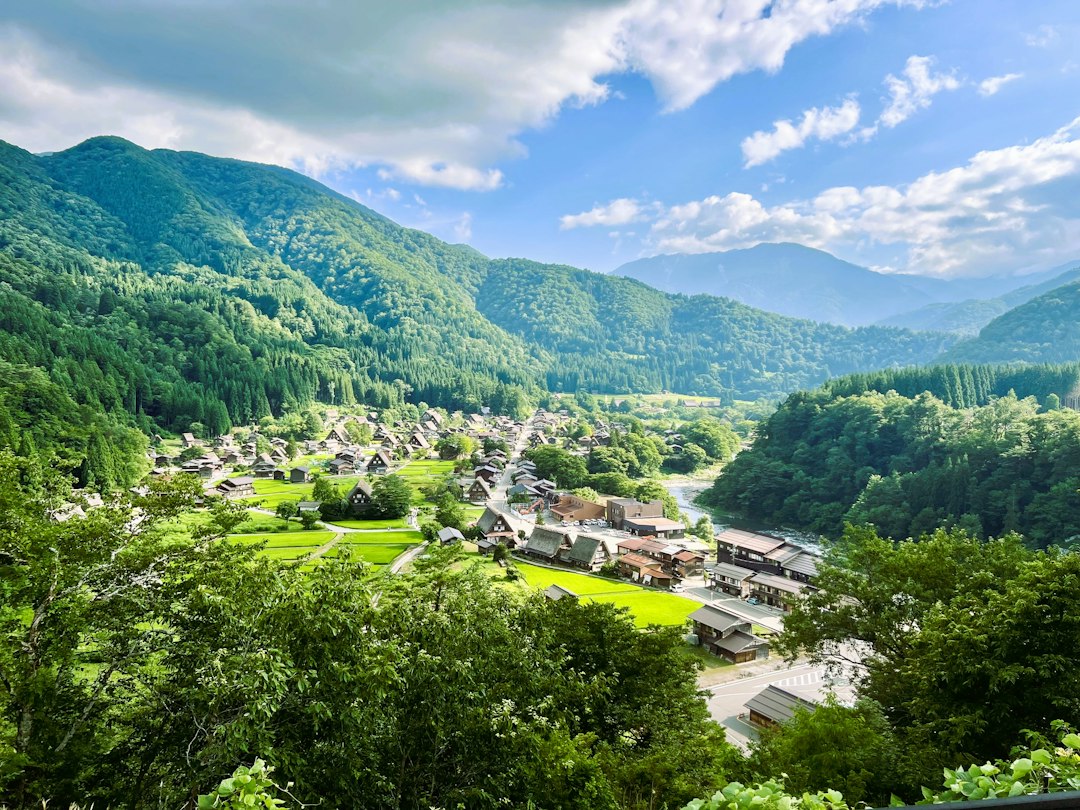
Discover Shirakawa-go in Its Green Summer Splendor
When most travelers picture Shirakawa-go, they imagine steep thatched roofs blanketed in snow. Yet this UNESCO World Heritage village in the mountains of Gifu Prefecture reveals an entirely different, equally magical personality during the warmer months. Surrounded by emerald rice paddies, dense forested peaks, and the gently flowing Shogawa River, summer transforms Shirakawa-go into a vibrant rural tableau that many visitors overlook in favor of its famous winter illumination events. This guide explores why a summer visit to Shirakawa-go deserves a spot on your Japan itinerary, and how to make the most of it.
What Makes Shirakawa-go Special
Shirakawa-go is renowned for its gassho-zukuri farmhouses, a distinctive architectural style featuring steep, thatched roofs shaped like hands pressed together in prayer. These roofs were engineered to withstand heavy snowfall, but their striking silhouette against green mountains is just as photogenic in summer. Many of these century-old houses are still inhabited or have been converted into guesthouses, museums, and craft shops, giving visitors an authentic glimpse into a farming lifestyle that has persisted for generations.
A UNESCO World Heritage Village
Shirakawa-go, along with the nearby villages of Ainokura and Suganuma in the Gokayama region, was designated a UNESCO World Heritage Site for its unique cultural landscape. Unlike many heritage sites that feel like open-air museums, Shirakawa-go remains a living community where residents farm, run local businesses, and maintain the traditional roofs through communal thatching efforts.
Why Summer Is an Underrated Season to Visit
While winter draws crowds for its fairy-tale snow scenes, summer offers advantages that make the trip more comfortable and rewarding for many travelers.
- Lush scenery: Vivid green rice terraces and mountainsides create a striking contrast with the dark wooden farmhouses.
- Easier access: Roads and mountain passes are fully open, without the risk of winter closures or snow chains.
- Fewer crowds than peak winter illumination nights: Summer visits, especially on weekdays, tend to be more relaxed.
- Comfortable hiking conditions: Nearby trails and viewpoints are accessible without snow gear.
- Vibrant local life: Farmers tend fields, local festivals occur, and village life feels especially active.
Top Things to Do in Shirakawa-go During Summer
1. Visit the Shiroyama Viewpoint
For the postcard-perfect panorama of Shirakawa-go, hike or take the shuttle bus up to Shiroyama Viewpoint. In summer, the surrounding hills are a rich green, and the thatched roofs stand out beautifully against the rice paddies below. Arrive early morning or late afternoon for softer light and fewer visitors.
2. Explore the Gassho-zukuri Farmhouses
Several farmhouses are open to the public, such as the Wada House and the Myozenji Temple Museum. Step inside to see traditional tools, silk-farming equipment once used in the attics, and the impressive wooden joinery that holds these roofs together without nails.
3. Stroll Through the Rice Paddies
Summer is planting and growing season, so the fields surrounding the village are at their most vibrant. Walking paths wind between the paddies, offering a peaceful, unhurried way to appreciate the rural landscape.
4. Cross the Deai Suspension Bridge
This bridge over the Shogawa River is the traditional entrance to the village and provides lovely river views. In summer, the surrounding foliage is thick and green, and the river itself is a refreshing sight on warm days.
5. Try Local Summer Cuisine
Look for hoba miso (miso grilled on a magnolia leaf), Hida beef skewers, and seasonal mountain vegetables. Many restaurants also serve cold soba noodles, a perfect refreshment during summer heat.
6. Attend a Summer Festival
Depending on timing, small local festivals and events may take place during summer, often featuring traditional music, dance, and food stalls. Check with the local tourism office for seasonal happenings during your visit.
7. Explore Nearby Gokayama Villages
If time allows, extend your trip to Ainokura and Suganuma, quieter sister villages with similar architecture but far fewer tourists, offering an even more tranquil summer experience.
Practical Tips for a Summer Visit
Weather and What to Pack
Summers in Shirakawa-go are warm and humid, with occasional rain showers typical of Japan’s rainy season transitioning into a hot midsummer. Pack breathable clothing, a light rain jacket, sun protection, and comfortable walking shoes for uneven village paths and viewpoint trails.
How to Get There
Shirakawa-go is most commonly reached by highway bus from Takayama, Kanazawa, or Nagoya. The mountain roads are fully accessible in summer, making bus travel smooth and scenic. Renting a car is also an option for those wanting flexibility to explore Gokayama and other nearby areas at their own pace.
Best Time of Day to Visit
Shirakawa-go can get crowded with day-trippers around midday. Staying overnight in one of the village’s traditional guesthouses allows you to experience the peaceful early morning and evening atmosphere when tour buses have departed.
Where to Stay
Staying in a gassho-zukuri guesthouse is a highlight in itself. Rooms are simple but atmospheric, often including a traditional irori hearth and home-cooked meals featuring local ingredients. Booking well in advance is recommended, as there are limited rooms in the village.
Sample One-Day Summer Itinerary
- Morning: Arrive early, cross Deai Bridge, and walk through the village while it’s quiet.
- Mid-morning: Visit Wada House and Myozenji Temple Museum.
- Midday: Enjoy a local lunch featuring hoba miso or Hida beef.
- Afternoon: Take the shuttle bus to Shiroyama Viewpoint for panoramic photos.
- Late afternoon: Wander through rice paddies and browse local craft shops.
- Evening: If staying overnight, relax at your guesthouse and enjoy the sunset over the mountains.
Final Thoughts
Shirakawa-go’s summer season offers a refreshing, verdant alternative to its famous winter image. With lush rice fields, comfortable hiking weather, and a slower pace of tourism, summer is an ideal time to appreciate the village’s architecture, culture, and rural charm without battling snow or peak-season crowds. Whether you’re passing through on a day trip from Takayama or Kanazawa, or staying overnight in a centuries-old farmhouse, a summer visit to Shirakawa-go promises an unforgettable glimpse into one of Japan’s most treasured mountain communities.
Photo by Kiko K on Unsplash