Why Sangenjaya Deserves a Spot on Your Tokyo Itinerary
Just three train stops from Shibuya on the Tokyu Denentoshi Line, Sangenjaya (often shortened to “Sancha” by locals) feels like a different world entirely. While tourists crowd the Shibuya Scramble, Sangenjaya quietly goes about its business as one of Tokyo’s most beloved residential and nightlife neighborhoods. This is a place where young families push strollers past retro coffee shops, where salarymen unwind in tiny standing bars, and where a maze of narrow alleys hides some of the city’s best hole-in-the-wall izakayas. If you want to experience Tokyo the way locals actually live it, Sangenjaya is essential.
Getting to Sangenjaya
Sangenjaya Station sits on the Tokyu Denentoshi Line, making it a quick five-minute ride from Shibuya Station. It’s also served by the Tokyu Setagaya Line, a charming single-car tram that trundles through quiet residential streets. The neighborhood’s proximity to Shibuya means you can easily combine a half-day or evening visit with your usual Tokyo sightseeing, without adding significant travel time to your day.
The Sankaku Chitai: Tokyo’s Most Atmospheric Alley Maze
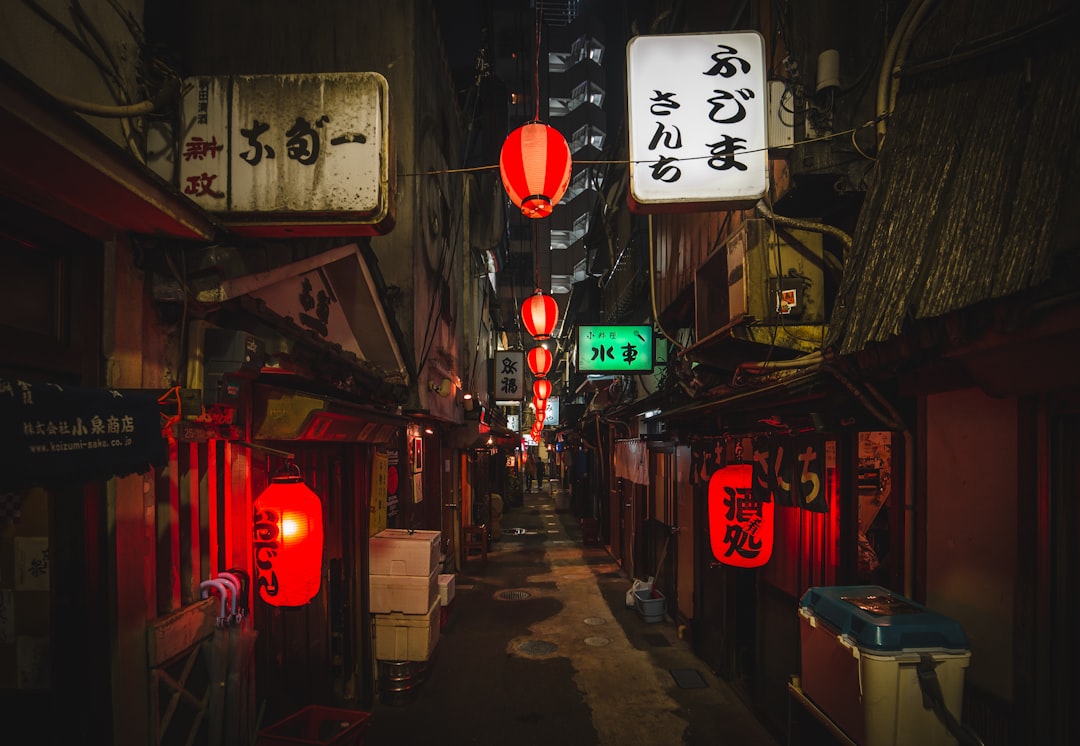
The heart of Sangenjaya’s appeal lies in the Sankaku Chitai, or “triangle zone,” a dense cluster of alleyways packed with tiny bars, izakayas, and eateries. Many of these establishments seat fewer than ten people, and some are so small that a single group can fill the entire space. Wandering here after dark feels like stepping into a different era of Tokyo, with red lanterns glowing, cigarette smoke drifting from doorways, and the murmur of conversation spilling into the street.
- Look for standing bars (tachinomi) where you can grab a quick drink and snack without committing to a full meal
- Many spots are cash-only, so bring yen in small denominations
- Don’t be afraid to peek inside even the tiniest doorways; locals are generally welcoming to curious visitors
- Weeknights tend to be quieter and more relaxed than weekend evenings
Carrot Tower: A Free Panoramic View
Right outside Sangenjaya Station stands Carrot Tower, an unassuming office building with a secret: its 26th floor observation deck offers sweeping views over western Tokyo, including glimpses of Mount Fuji on clear days. Unlike Tokyo’s famous paid observation decks, this one is completely free, and it’s rarely crowded. It’s a perfect spot to get oriented before diving into the neighborhood’s backstreets, or to end your evening with a quiet view of the city lights.
Coffee Culture and Café Hopping
Sangenjaya has a well-earned reputation among Tokyo’s coffee enthusiasts. The neighborhood is dotted with independent roasteries and cafés that predate the current third-wave coffee boom, alongside newer specialty shops that have moved in to capitalize on the area’s laid-back, creative energy. Spend a morning café hopping through the side streets north of the station, where you’ll find everything from old-school kissaten (traditional coffee houses) with siphon-brewed coffee to minimalist, design-forward spaces popular with local creatives.
What to Look For
- Kissaten with vintage interiors and jazz playing softly in the background
- Specialty roasters offering single-origin pour-overs
- Bakeries and patisseries tucked between residential buildings
- Small bookshops that double as reading cafés
Shopping for the Unexpected
Forget department stores; Sangenjaya’s retail scene is built around independent boutiques, vintage clothing shops, and secondhand bookstores. The area attracts a creative crowd of designers, musicians, and artists, and this is reflected in the shops you’ll find. Vintage clothing enthusiasts should carve out time to browse the racks of curated secondhand stores, many of which specialize in specific eras or styles. Small galleries and craft shops also pop up throughout the neighborhood, often run by the artisans themselves.
Local Food Beyond the Alleys
While the Sankaku Chitai gets most of the attention, Sangenjaya’s food scene extends well beyond it. The neighborhood has a strong concentration of ramen shops, curry houses, and casual bistros that cater to residents rather than tourists, meaning prices stay reasonable and portions generous. Look for:
- Neighborhood ramen shops with loyal local followings
- Japanese-style curry restaurants perfect for a quick, satisfying meal
- Small yakitori counters where you can watch skewers grilled to order
- Weekend brunch spots popular with young Tokyo residents
The Setagaya Line: A Slow Journey Through Local Tokyo
For a completely different perspective on the area, hop aboard the Tokyu Setagaya Line, a two-car tram that departs from Sangenjaya and winds through quiet residential streets toward Shimokitazawa and beyond. The ride is short and inexpensive, but it offers a glimpse into everyday Tokyo life that’s completely absent from the major tourist routes. Combining a Setagaya Line ride with a stop in nearby Shimokitazawa makes for an excellent full day of off-the-beaten-path exploring.
Best Time to Visit Sangenjaya
Sangenjaya rewards visits at almost any time of day, though its personality shifts noticeably depending on when you arrive. Mornings are ideal for café hopping and browsing shops in relative quiet. Afternoons bring a relaxed, unhurried energy perfect for wandering. Evenings, particularly after 6pm, transform the alleyways of the Sankaku Chitai into a buzzing hub of after-work drinking and dining. Because Sangenjaya is fundamentally a residential neighborhood, it doesn’t experience the seasonal tourist crowds that affect places like Shibuya or Asakusa, making it a genuinely evergreen destination regardless of when you visit.
Tips for Visiting Sangenjaya
- Bring cash, as many small bars and eateries don’t accept credit cards
- Visit in the early evening to see the alleys transition from quiet daytime streets to lively nightlife spots
- Combine your visit with a walk along the Setagaya Line tracks for a slower, more local pace
- Be respectful in tiny establishments; these are intimate spaces meant for quiet enjoyment rather than loud tourist groups
- Don’t rush; Sangenjaya’s charm lies in aimless wandering rather than checklist sightseeing
Final Thoughts
Sangenjaya may not have a single blockbuster attraction, and that’s precisely the point. This is a neighborhood built for slow, curious exploration, rewarding visitors who are willing to duck into unmarked doorways, strike up conversations at standing bars, and wander without a fixed destination. For travelers who have already seen Tokyo’s major landmarks and are craving a more authentic, lived-in side of the city, Sangenjaya offers exactly that, just a few minutes from the chaos of Shibuya.
Photo by Denys Nevozhai on Unsplash