A Magical Winter Escape in the Mountains of Tochigi
Tucked deep in the snowy mountains of Tochigi Prefecture, Yunishigawa Onsen transforms every winter into one of Japan’s most enchanting cold-season destinations. Known for its Snow Lantern Festival (Yunishigawa Onsen Kamakura Festival), this remote hot spring village lights up hundreds of miniature snow igloos called “kamakura,” each glowing with a soft candle flame against the deep snowdrifts. If you are planning a New Year or winter break trip to Japan and want an authentic snow country experience away from the crowds of Tokyo or Kyoto, this guide covers everything you need to know.
What Is the Yunishigawa Snow Lantern Festival?
The Snow Lantern Festival is an annual winter tradition in which local residents build hundreds of small snow domes along the riverbed and village paths of Yunishigawa Onsen. As dusk falls, candles are lit inside each kamakura, creating a breathtaking corridor of warm, flickering light against the white snow and dark mountains. The festival typically runs for several weeks during the coldest part of winter, with the most spectacular illumination hours occurring in the early evening after sunset. Because the exact dates shift slightly from year to year depending on snowfall and local planning, it’s best to check the official Nikko tourism website close to your travel dates rather than relying on a fixed calendar date.
The History Behind the Snow Igloos
Yunishigawa Onsen has long been associated with the legend of the Heike clan, samurai who reportedly fled here after their defeat in the 12th century to live in hidden mountain villages. The remote, snowbound setting still evokes that sense of secluded refuge today. The kamakura tradition draws on this same feeling of shelter and warmth amid a harsh winter landscape, making the festival feel both historically rooted and deeply atmospheric.
Best Time to Visit for Snow and Fewer Crowds
Winter is peak season for Yunishigawa, especially during the New Year holidays and the heart of the snow lantern festival period. To avoid the largest crowds, consider these strategies:
- Visit on a weekday evening rather than a Friday, Saturday, or national holiday.
- Arrive at your ryokan in the late afternoon so you can walk to the lantern displays right at lighting time, before tour buses arrive.
- Avoid the first weekend after New Year’s Day, when domestic travelers combine hatsumode (New Year shrine visits) with festival sightseeing, creating the year’s busiest period.
- If your schedule is flexible, mid-week trips in the latter half of the festival run often have thinner crowds while still offering full snow coverage.
How to Get to Yunishigawa Onsen
Yunishigawa Onsen is located in the mountains beyond Nikko, making it a slightly more adventurous winter destination than the well-trodden Nikko temple circuit. The most common route is: take a limited express or local train from Tokyo (via Tobu Nikko Line) toward Kinugawa Onsen, then transfer to the Yunishigawa Line, which terminates at Yunishigawa Onsen Station. From there, a local bus connects to the onsen village itself, a scenic ride through snow-covered forest. Because winter road and rail schedules can be affected by heavy snowfall, always check current timetables before departure and build in extra transfer time.
Cold-Weather Preparation Tips
Yunishigawa sits at higher elevation than Tokyo and receives substantial snowfall, so proper preparation is essential for comfort and safety:
- Wear waterproof, insulated snow boots with good grip; the paths between kamakura displays are packed snow and can be slippery.
- Dress in layers: a moisture-wicking base layer, an insulating mid-layer, and a windproof/waterproof outer shell.
- Bring thermal gloves, a warm hat, and a scarf or neck gaiter, since evening temperatures often drop well below freezing during lantern viewing hours.
- Disposable heat packs (kairo) are inexpensive, widely available at convenience stores, and extremely effective for keeping hands and feet warm during outdoor viewing.
- Carry a small flashlight or use your phone light for walking on unlit stretches of path outside the main lantern area.
- Stay hydrated and warm from the inside with hot amazake, sake, or tea sold at small stalls near the festival grounds.
What to See and Do During the Festival
Beyond the main lantern-lit walkway, Yunishigawa offers several other cold-season highlights:
- Riverside Kamakura Walk: Stroll along the Yunishigawa riverbank where hundreds of glowing snow domes line the path, best photographed just after sunset when the sky still holds a hint of blue.
- Outdoor Onsen with a View: Many ryokan in the area feature rotenburo (open-air baths) where you can soak in steaming hot spring water while snow falls around you, a quintessential Japanese winter experience.
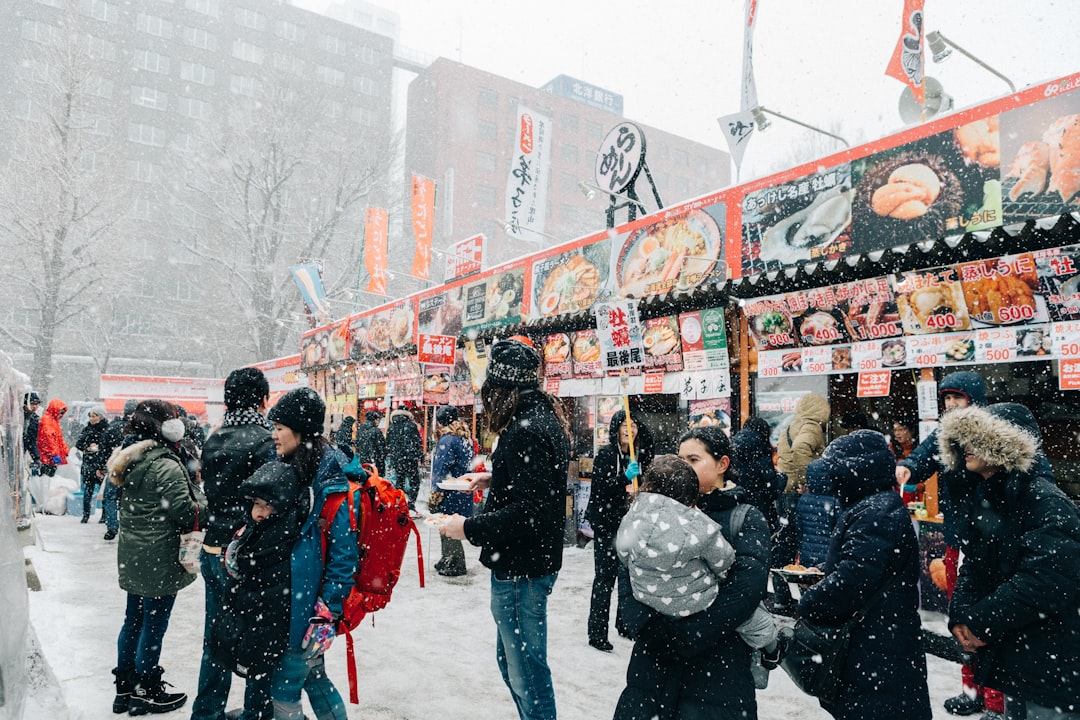
- Local Food Stalls: Warm up with grilled mochi, oden, and hot sake sold by vendors near the main festival area.
- Heike Village Exploration: During the day, visit nearby sites connected to the Heike clan legend for a quieter, historical counterpoint to the evening illumination.
Where to Stay: Onsen Ryokan Options
Staying overnight in Yunishigawa is highly recommended, as the best lantern viewing happens after dark and many ryokan are within walking distance of the display. Traditional ryokan here typically offer tatami rooms, multi-course kaiseki dinners featuring river fish and mountain vegetables, and both indoor and outdoor hot spring baths. Because rooms fill quickly during the New Year and peak festival weeks, book several months in advance if traveling during this window. Travelers seeking a quieter, more budget-friendly stay might consider lodging in nearby Kinugawa Onsen and taking a day/evening trip into Yunishigawa specifically for the lantern festival.
Combining Yunishigawa with a Winter Nikko Itinerary
Many travelers pair a Yunishigawa Snow Lantern Festival visit with a broader Nikko-area winter itinerary, exploring the UNESCO World Heritage shrines and temples of Nikko, the scenic Kegon Falls (spectacular when partially frozen), and Lake Chuzenji before heading up into the snow country of Yunishigawa. This combination allows for a well-rounded mix of cultural sightseeing, natural scenery, and a magical evening finale under the snow lanterns.
Final Tips for a Smooth Winter Trip
Winter travel in mountainous Japan requires a bit more planning than a spring or autumn trip, but the reward is well worth it. Keep an eye on regional snow and weather advisories, wear proper footwear, and give yourself buffer time for transportation delays. If you’re traveling during the New Year holidays, book accommodation and transport as early as possible, since this period overlaps with domestic hatsumode travel and the festival’s most popular viewing dates. For those seeking a slower, more contemplative winter escape, an early-week visit outside the New Year rush offers the same snowy magic with far fewer people. Whether you come for the illuminated snow igloos, the steaming outdoor baths, or the quiet beauty of a snowbound mountain village, Yunishigawa Onsen’s Snow Lantern Festival is one of Japan’s most rewarding winter destinations.
Photo by Denny Ryanto on Unsplash