Discovering Shirakami Sanchi: Japan’s Last Great Primeval Forest
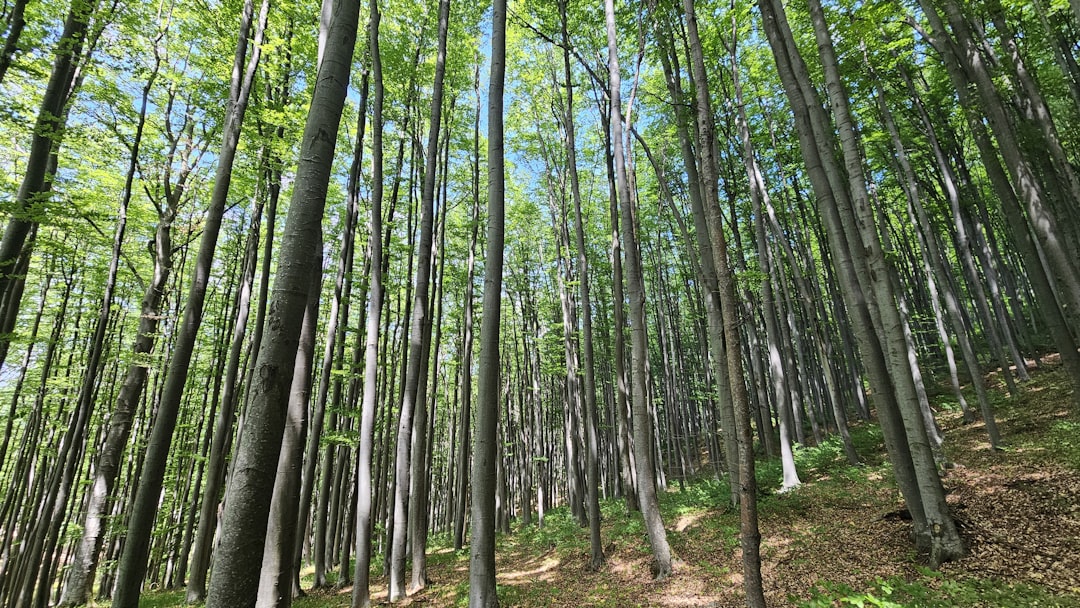
Straddling the border between Aomori and Akita prefectures in northern Honshu, Shirakami Sanchi is one of Japan’s most treasured natural landscapes. Designated a UNESCO World Heritage Site, this vast mountainous region protects the largest remaining virgin forest of Siebold’s beech (buna) trees in East Asia. Unlike much of Japan’s forestland, which has been replanted with cedar and cypress for timber, Shirakami Sanchi has remained largely untouched by human development for over eight thousand years. Walking beneath its ancient beech canopy feels like stepping into a different era, where crystal-clear streams, moss-covered boulders, and towering trees create an atmosphere of profound tranquility.
For hikers and nature lovers seeking an escape from Japan’s more crowded tourist trails, Shirakami Sanchi offers an unforgettable combination of biodiversity, scenic beauty, and genuine wilderness. This guide covers everything you need to know to plan a rewarding hiking trip to this remarkable UNESCO site.
Why Shirakami Sanchi Is a UNESCO World Heritage Site
Shirakami Sanchi was inscribed as a UNESCO World Heritage Site because of its outstanding universal value as a pristine, undisturbed beech forest ecosystem. The core zone of the site spans roughly 170 square kilometers and is strictly protected, with no roads, buildings, or logging permitted. This area serves as a vital habitat for numerous species, including the Japanese serow, black bear, golden eagle, and black woodpecker, as well as rare alpine plants found nowhere else.
The forest’s ecological significance lies in its age and continuity. Beech forests once covered much of Japan, but centuries of agricultural expansion and postwar reforestation dramatically reduced their range. Shirakami Sanchi survived largely because of its remote, mountainous terrain, which made large-scale logging impractical. Today it stands as a living laboratory for understanding Japan’s natural history before human intervention reshaped the landscape.
Best Hiking Trails in Shirakami Sanchi
Anmon Falls Trail
One of the most accessible and popular routes, the Anmon Falls trail leads hikers through dense beech woods to a trio of picturesque waterfalls. The path follows a gentle river valley, making it suitable for hikers of most fitness levels. The trailhead is reachable by car or seasonal shuttle bus, and the round trip typically takes two to three hours. This route offers a wonderful introduction to the forest’s atmosphere without requiring advanced hiking experience.
Juniko Lakes (Twelve Lakes) Walking Course
Although technically located on the periphery of the core protected zone, the Juniko Lakes area is a beloved companion destination for anyone visiting Shirakami Sanchi. This cluster of small lakes and ponds, formed by ancient landslides, is famous for its strikingly blue-green waters, especially the aptly named Aoike (Blue Pond). Easy walking paths connect the lakes, making this an ideal half-day excursion for families or those seeking a relaxed nature walk.
Core Zone Guided Treks
Access to the strictly protected core area of Shirakami Sanchi is limited and requires a certified guide. These multi-hour or multi-day treks take hikers deep into the ancient beech forest, often following ridge lines with panoramic views over endless green canopy. Guided treks may include visits to particularly old-growth beech trees, some believed to be several centuries old, as well as encounters with the forest’s diverse flora and fauna. Advance reservations are essential, and group sizes are kept small to minimize environmental impact.
Shirakami-dake Summit Trail
For experienced hikers seeking a more challenging route, the trail to the summit of Shirakami-dake offers a full-day trek with substantial elevation gain. The reward is a sweeping vista over the entire mountain range, with the Sea of Japan visible on clear days. This trail demands proper preparation, sturdy footwear, and ideally the accompaniment of a local guide familiar with route conditions.
When to Visit Shirakami Sanchi
Shirakami Sanchi offers distinct experiences across the seasons, and the best time to visit depends on what you hope to see. Late spring brings fresh green foliage and melting snow feeding powerful waterfalls. Summer offers warm weather ideal for longer treks, though hikers should be prepared for humidity. Autumn transforms the beech forest into a spectacular display of gold, orange, and red, drawing photographers and leaf-peepers from across Japan. Winter blankets the region in deep snow, closing most core-zone trails but creating a serene, snow-covered landscape best appreciated from lower-elevation viewpoints or via specialized snowshoe tours.
Regardless of season, weather in this mountainous region can change quickly, so checking conditions before departure and packing layered clothing is always advisable.
Planning Your Trip: Access and Logistics
Shirakami Sanchi is most easily reached from the cities of Hirosaki or Akita, both of which offer train and bus connections toward the forest’s gateway towns. The village of Nishimeya on the Aomori side and the town of Fujisato on the Akita side serve as convenient bases for exploring the area. Renting a car provides the most flexibility, as public transportation to trailheads can be infrequent, particularly outside peak tourist seasons.
Visitor centers near both the Aomori and Akita entrances provide maps, trail condition updates, and information on hiring certified local guides. Given the protected status of the core zone, independent hiking there is not permitted, so booking a guide in advance is strongly recommended for anyone hoping to venture beyond the peripheral trails.
Essential Hiking Tips
- Wear proper hiking boots with good grip, as trails can be muddy, rocky, or root-covered.
- Bring layered clothing, as temperatures vary significantly with elevation and time of day.
- Carry sufficient water and snacks, since facilities within the forest are minimal.
- Respect the Leave No Trace principle by packing out all trash and staying on marked paths.
- Book guided core-zone treks well in advance, especially during peak autumn foliage season.
- Check for bear activity advisories and consider carrying a bear bell in more remote areas.
- Confirm trail and shuttle bus schedules locally, as these can change seasonally.
Why Shirakami Sanchi Deserves a Place on Your Itinerary
While Japan’s UNESCO sites often bring to mind historic temples and shrines, Shirakami Sanchi represents a different kind of heritage: the enduring power of untouched nature. For travelers seeking a meaningful escape from urban itineraries, this ancient beech forest offers a rare opportunity to walk through an ecosystem that has remained fundamentally unchanged for millennia. Whether you choose an easy waterfall walk, a lakeside stroll, or a guided trek deep into the protected core, Shirakami Sanchi promises an unforgettable encounter with one of Japan’s last true wildernesses.
Photo by Pure Brasov on Unsplash