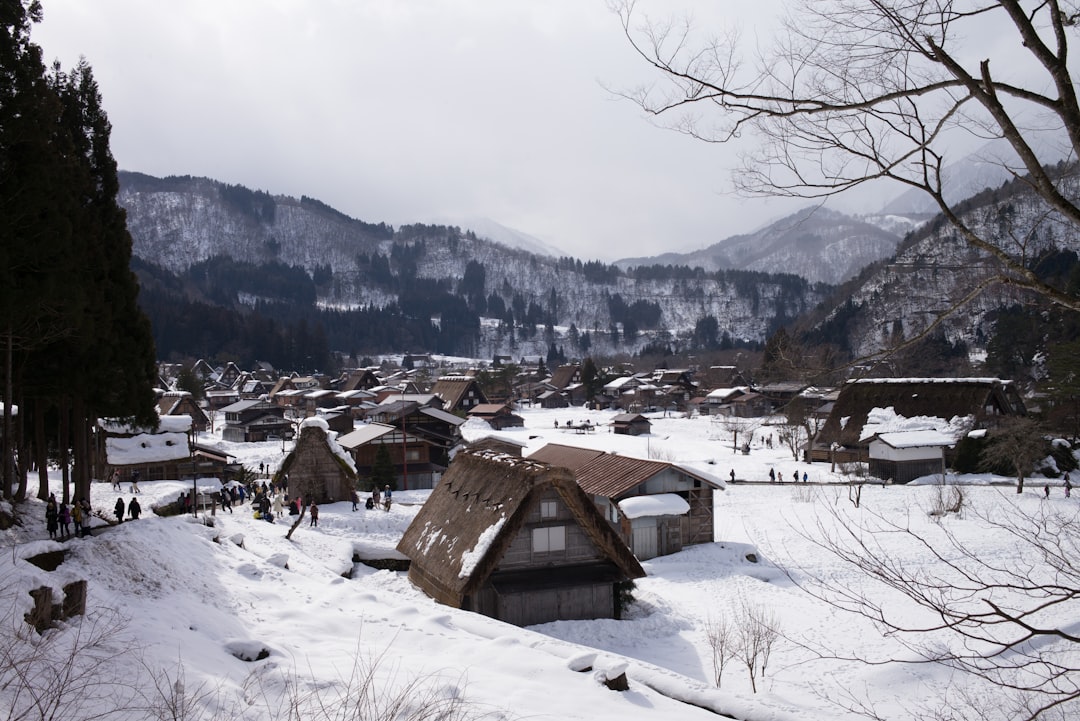
Tucked deep in the folds of the Japanese Alps, straddling the mountainous border of Toyama and Gifu prefectures, Gokayama is one of Japan’s most rewarding hidden gems. While its more famous neighbor Shirakawa-go draws crowds of day-trippers and tour buses, Gokayama remains blissfully quiet, offering the same UNESCO World Heritage-listed thatched-roof farmhouses, dramatic alpine scenery, and centuries-old rural culture without the crush of tourists. This guide covers everything you need to know to plan an unforgettable visit to Gokayama, from its history and villages to practical tips on getting there and making the most of your stay.
What Is Gokayama?
Gokayama, meaning “five mountains,” refers to a remote cluster of hamlets scattered along the Sho River valley in the mountainous interior of Toyama Prefecture. Along with Shirakawa-go, Gokayama was designated a UNESCO World Heritage Site for its unique gassho-zukuri farmhouses—steep, thatched-roof structures built without nails, designed to shed heavy snowfall and withstand the region’s brutal winters. The name “gassho” refers to the shape of the roofs, which resemble hands pressed together in prayer.
For centuries, this isolated region was cut off from the rest of Japan by towering mountains and had no road access until relatively modern times. That isolation preserved a way of life, architectural style, and set of traditions found almost nowhere else in the country. Villagers historically relied on sericulture (silkworm farming) and the production of gunpowder ingredients, using the spacious attics of their gassho-zukuri houses for these purposes.
Why Gokayama Is Still a Hidden Gem
Shirakawa-go’s main village, Ogimachi, has become one of the most Instagrammed destinations in Japan, drawing massive crowds especially during winter illumination events. Gokayama, by contrast, sees only a fraction of the visitors despite being just as photogenic and historically significant. The result is a much more authentic, peaceful experience: quiet lanes between thatched houses, working farms, small museums, and locals going about daily life rather than performing for tour groups.
Because Gokayama is harder to reach and less commercialized, it rewards travelers who want a genuine slice of rural Japan rather than a polished tourist attraction. You can wander the villages at your own pace, photograph the farmhouses without dozens of people in the frame, and even stay overnight in a centuries-old gassho-zukuri home.
The Key Villages of Gokayama
Ainokura
Ainokura is the largest and most visited of Gokayama’s hamlets, home to around 20 gassho-zukuri houses nestled in a valley surrounded by cedar forest. A short walk up to the village’s observation deck offers a sweeping panoramic view of the thatched rooftops against the mountains—one of the finest photo opportunities in the entire region. Several houses in Ainokura operate as minshuku (family-run guesthouses), allowing visitors to sleep beneath century-old wooden beams and enjoy home-cooked mountain cuisine.
Suganuma
Smaller and even quieter than Ainokura, Suganuma consists of just a handful of gassho-zukuri houses set on a terrace above the Sho River. Its compact size makes it easy to explore in an hour or two, and the Gokayama Minzoku-kan folk museum here offers fascinating insight into traditional silk farming, gunpowder production, and daily village life. Suganuma’s relative obscurity means you may have the entire village nearly to yourself.
Other Hamlets
Beyond the two main UNESCO-listed villages, Gokayama includes several smaller settlements worth exploring for travelers with extra time, including Kaminashi and areas around the Gokayama Washi paper-making workshops. These scattered communities showcase traditional crafts, from handmade paper to woven textiles, and provide a deeper understanding of how the region’s isolation shaped its self-sufficient culture.
Top Things to Do in Gokayama
- Walk the elevated viewpoints above Ainokura for classic panoramic shots of the thatched-roof village.
- Visit the Gokayama Minzoku-kan museum in Suganuma to learn about traditional silk cultivation and gunpowder-making history.
- Try your hand at making traditional Gokayama washi paper at a local workshop.
- Stay overnight in a gassho-zukuri minshuku for an authentic farmhouse experience complete with irori hearth dining.
- Sample local specialties such as gohei-mochi (grilled rice skewers coated in sweet miso sauce) and mountain vegetable dishes.
- Explore the surrounding forest trails for a quiet nature walk away from any crowds.
- Photograph the villages in winter snow, one of the most magical and evocative times to visit.
How to Get to Gokayama
Gokayama’s remoteness is part of its charm, but it does require some planning to reach. The most common approach is by bus from Takaoka Station or Shin-Takaoka Station in Toyama Prefecture, with routes running to Ainokura and Suganuma. Alternatively, many travelers combine a visit with Shirakawa-go, taking a bus that stops at both regions, since they lie along the same mountain corridor. If you’re coming from Kanazawa, direct buses to Gokayama and Shirakawa-go are also available, making it easy to pair the two UNESCO sites in a single day trip or overnight excursion.
Renting a car offers the most flexibility, allowing you to explore the smaller, less-visited hamlets and enjoy scenic mountain drives at your own pace. Be aware that mountain roads can be narrow and, in winter, require snow tires or chains.
Best Time to Visit Gokayama
Gokayama is a genuinely year-round destination, with each season offering a distinctly different atmosphere:
- Spring: Fresh greenery and mountain streams swollen with snowmelt create a vibrant, lush backdrop.
- Summer: Cooler temperatures than the lowland cities make it a pleasant retreat, with deep green rice terraces surrounding the villages.
- Autumn: Fiery foliage blankets the surrounding mountains, framing the thatched roofs in brilliant color.
- Winter: Heavy snowfall transforms Gokayama into a fairy-tale landscape, and unlike Shirakawa-go’s crowded winter illumination events, Gokayama offers peaceful snow-covered scenery with far fewer visitors.
Where to Stay
The single best way to experience Gokayama is to spend a night in one of its traditional minshuku housed inside genuine gassho-zukuri farmhouses. These family-run lodgings typically include a home-cooked dinner and breakfast featuring local mountain vegetables, river fish, and rice, often served around an irori sunken hearth. Staying overnight allows you to see the villages in the quiet early morning and evening hours after day-trippers have left, which is when Gokayama’s magic truly comes alive.
Practical Tips for Visiting
- Book minshuku accommodation well in advance, as there are only a limited number of rooms available in each village.
- Bring cash, as many small guesthouses, shops, and restaurants in rural Gokayama do not accept cards.
- Check bus schedules carefully, since services to and from Gokayama can be infrequent, especially outside peak season.
- Dress in layers and pack for cold weather even in shoulder seasons, as mountain temperatures drop quickly after sunset.
- Respect that these are real, lived-in homes and communities, not open-air museums—be mindful of noise and privacy.
Final Thoughts
Gokayama offers everything travelers love about Shirakawa-go—dramatic gassho-zukuri architecture, deep cultural history, and stunning alpine scenery—wrapped in a much quieter, more intimate package. For anyone seeking an authentic rural Japan experience away from the crowds, this remote mountain village region is an essential addition to any Japan itinerary. Give yourself at least one overnight stay if you can; it’s the difference between simply visiting Gokayama and truly experiencing it.
Photo by Cowboysir Lau on Unsplash