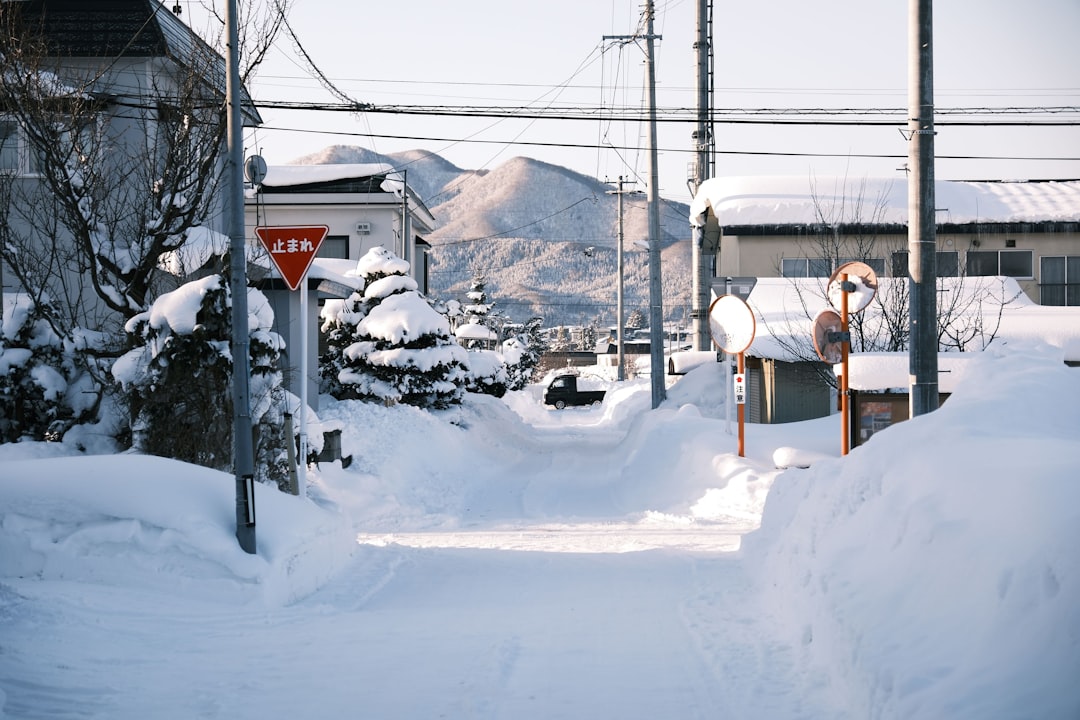
Discover Nyuto Onsen, Japan’s Snowbound Secret Hot Spring Village
Tucked deep within the mountains of Akita Prefecture, Nyuto Onsen (乳頭温泉郷) is one of Japan’s most atmospheric hot spring villages, especially magical during winter when snow blankets the thatched-roof ryokans and steam rises off milky-white baths. If you’re planning a year-end getaway, a New Year holiday retreat, or simply a winter break escape from the city, Nyuto Onsen offers the kind of secluded, snowbound serenity that postcards are made of. This guide covers everything you need to know: the history, the seven legendary ryokans, how to plan around New Year crowds, and practical cold-weather tips for a smooth visit.
What Is Nyuto Onsen?
Nyuto Onsen is not a single hot spring but a cluster of seven traditional ryokans scattered across a forested valley near Lake Tazawa, in Akita’s Towada-Hachimantai National Park. The name translates loosely to “Nipple Hot Spring,” a reference to a nearby mountain peak’s shape. The area has welcomed bathers for centuries, with some ryokans tracing their origins back over 300 years. In winter, the entire village transforms into a snow-draped wonderland, with wooden lodges, steaming outdoor baths (rotenburo), and quiet forest paths blanketed in white, making it one of the most romantic and tranquil New Year destinations in Tohoku.
Why Visit Nyuto Onsen in Winter
While Nyuto Onsen is beautiful year-round, winter is arguably its most iconic season. Snow muffles the sound of the forest, steam billows dramatically off the hot water in the cold air, and the contrast between icy surroundings and soothing thermal water is unforgettable. A New Year’s Eve soak beneath falling snow, followed by a hatsuyu (first bath of the year) on January 1st, is considered a deeply restorative way to welcome the new year for many Japanese travelers.
The Seven Ryokans of Nyuto Onsen
Each ryokan has its own personality, water quality, and architecture. Most offer the famous “toji-meguri” (onsen-hopping) pass, allowing guests staying at one ryokan to bathe at the others for a discounted fee — though note that in deep winter, some outer baths may have limited access due to snow.
- Tsurunoyu Onsen – The oldest and most photographed ryokan, famous for its milky-white sulfur bath and iconic thatched-roof buildings blanketed in snow. Reservations must be made months in advance for winter and New Year stays.
- Kuroyu Onsen – A rustic, thatched-roof retreat with an irori (sunken hearth) and simple, unpretentious charm.
- Magoroku Onsen – Known for its striking blue-tinted waters and cozy, family-run atmosphere.
- Ganiba Onsen – Remote and rugged, popular for its cave-like open-air bath surrounded by snow-laden trees.
- Ogama Onsen – A hidden gem with a large mixed-gender outdoor bath, ideal for those seeking solitude.
- Taenoyu Onsen – Offers a more modern, comfortable stay with excellent kaiseki dinners.
- Nyuto Onsen Kyukamura – A larger lodge-style option, good for families or first-time visitors wanting more amenities.
Planning Around New Year and Winter Crowds
Nyuto Onsen’s rustic charm and limited room capacity mean that popular ryokans like Tsurunoyu book out six months to a year ahead for New Year’s Eve and early January stays. To avoid disappointment and crowds, keep these strategies in mind:
- Book early: Reserve New Year and winter weekend stays as far in advance as possible — ideally 6-12 months for Tsurunoyu.
- Consider weekdays: Mid-week stays in January (after the New Year rush) offer a quieter, more contemplative experience with the same snowy scenery.
- Try lesser-known ryokans: Ganiba or Ogama Onsen tend to have more last-minute availability than Tsurunoyu, with equally rewarding baths.
- Day-trip strategically: If you can’t secure an overnight stay, visit as a day-tripper on a weekday morning, when bath houses are less crowded.
Getting There and Winter Access Tips
Nyuto Onsen is accessed via Tazawako Station on the Akita Shinkansen, followed by a local bus or shuttle into the mountains — roughly a 40-50 minute ride. In winter, roads can be snowy and icy, so most travelers rely on the seasonal shuttle buses rather than driving. If you do rent a car, ensure it has snow tires and check road conditions before departure, as heavy snowfall can occasionally cause delays or closures. Many ryokans also offer pick-up services from Tazawako Station during winter — it’s worth confirming this when booking.
Cold-Weather Packing and Preparation Tips
Winter temperatures around Nyuto Onsen regularly drop below freezing, so preparation is key for a comfortable stay.
- Pack thermal base layers, a warm coat, gloves, and a hat — you’ll walk between buildings outdoors in the snow.
- Bring waterproof, non-slip footwear; paths between baths can be icy.
- Most ryokans provide yukata and padded jackets (hanten) for moving between rooms and baths — layer these over warm clothing.
- A small towel is essential for the walk from bath to changing room, as many outdoor baths are a short snowy walk from the indoor facilities.
- Embrace the kotatsu (heated table) in your room afterward — it’s the perfect way to warm up after a snowy soak.
Onsen Etiquette Reminders
Before soaking, rinse thoroughly at the washing station, tie up long hair, and avoid bringing towels into the water. Some baths at Nyuto Onsen, including parts of Kuroyu and Ogama, are mixed-gender (konyoku), which surprises many first-time visitors — modesty towels are typically permitted at the water’s edge. Tattoos are traditionally frowned upon at many rural ryokans, so check policies in advance if this applies to you.
Nearby Attractions for Your Winter Trip
Combine your Nyuto Onsen stay with a visit to nearby Lake Tazawa, Japan’s deepest lake, which takes on an eerie cobalt-blue beauty even in winter. History lovers can also detour to Kakunodate, known as “Little Kyoto of Tohoku,” for its snow-dusted samurai district. For a traditional New Year experience, consider visiting a local shrine for hatsumode (the first shrine visit of the year) before or after your onsen retreat — many travelers combine a New Year’s hatsumode visit with their Nyuto Onsen stay for a fully immersive Japanese winter holiday.
Final Thoughts
Nyuto Onsen rewards travelers willing to venture off the beaten path with one of Japan’s most authentic and secluded winter experiences. Whether you’re soaking in a snow-rimmed rotenburo on New Year’s Eve or enjoying a quiet January weekday escape, this hidden hot spring village captures the deep tranquility of a Japanese winter like few other destinations can. Book early, pack warm, and prepare for an unforgettable snowbound retreat.
Photo by Seiya Maeda on Unsplash