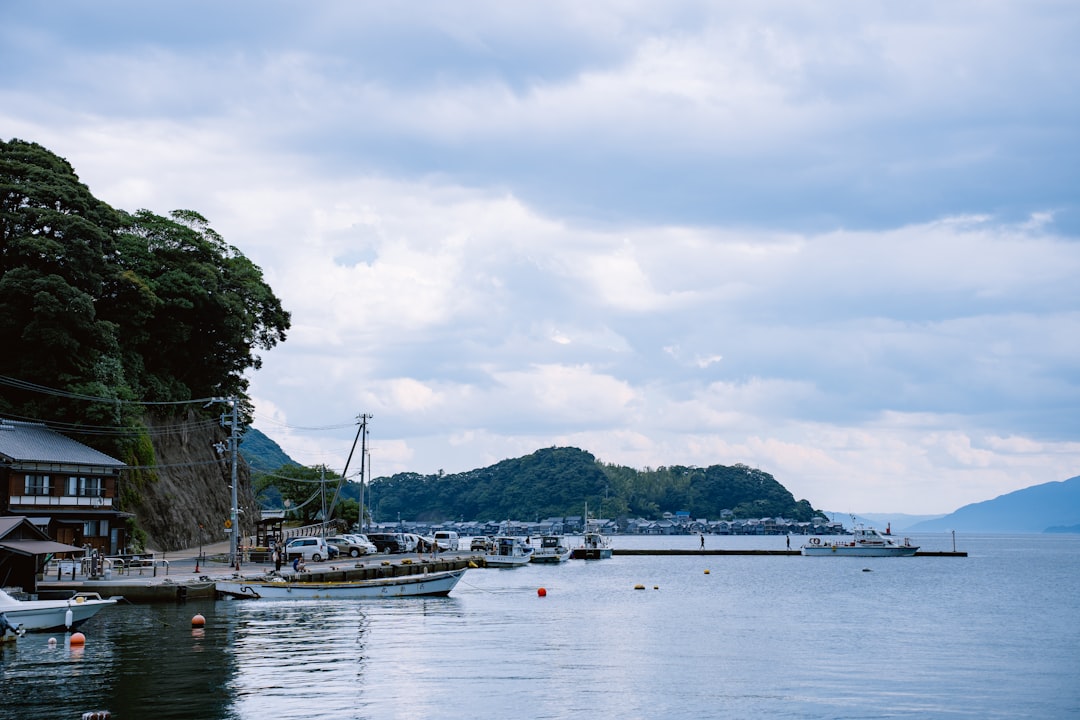
Discovering Japan’s Hidden Coastal Treasures
Long after the neon glow of Tokyo fades from memory and the crowds of Kyoto’s temples become a distant thought, Japan reveals another face entirely: quiet harbors where wooden boats bob gently against weathered piers, where the scent of drying squid mingles with salt air, and where daily life still moves to the rhythm of the tides. Remote fishing villages scattered along Japan’s extensive coastline offer travelers something increasingly rare—an authentic glimpse into traditional Japanese life that has remained largely unchanged for generations.
This guide will take you beyond the well-trodden tourist circuits into the heart of coastal Japan, where hospitality is genuine, seafood is impossibly fresh, and every village tells its own unique story shaped by the sea.
Why Visit Japan’s Remote Fishing Villages
Japan is an archipelago nation, and for centuries the sea has shaped its culture, cuisine, and communities. While major coastal cities like Yokohama and Kobe get plenty of attention, thousands of smaller fishing communities remain largely unexplored by international visitors. Here’s why they deserve a place on your itinerary:
- Experience unfiltered, authentic Japanese culture away from mass tourism
- Taste seafood at its absolute freshest, often caught the same morning
- Witness traditional fishing methods and boat-building techniques passed down through generations
- Enjoy dramatic coastal scenery, from rugged cliffs to serene bays
- Connect with warm, welcoming communities eager to share their way of life
- Escape crowds and experience a slower, more contemplative pace of travel
Top Remote Fishing Villages to Visit
Ine, Kyoto Prefecture
Often called the “Venice of Japan,” Ine is famous for its funaya—traditional boathouses built directly over the water with living quarters above and boat garages below. This picturesque bay village, tucked along the Tango Peninsula, offers boat tours that glide past centuries-old wooden structures. Visitors can stay in a converted funaya guesthouse, waking up to the gentle lapping of waves beneath their floorboards.
Hegura Island, Noto Peninsula
A small, windswept island off the Noto Peninsula, Hegura is home to a tiny community of fishermen and ama (traditional female free-divers) who harvest abalone and turban shells by hand. The island’s isolation means visitor numbers remain low, making it perfect for those seeking genuine solitude paired with cultural immersion.
Toba and the Ama Divers of Mie Prefecture
Mie Prefecture’s coastal villages, including Osatsu and Kuzaki, are the historic heartland of Japan’s ama pearl and seafood divers. These skilled women have practiced free-diving for centuries, and several villages now offer opportunities to meet active divers, enjoy a meal cooked at their traditional amagoya huts, and hear firsthand accounts of this remarkable tradition.
Shodoshima, Seto Inland Sea
While increasingly popular for its olive groves, Shodoshima’s smaller fishing hamlets along its coastline remain wonderfully quiet. Rent a bicycle and pedal along the shoreline roads connecting tiny harbors, where you’ll find local fishermen mending nets and small shrines dedicated to safe voyages.
Rausu, Hokkaido
On the remote Shiretoko Peninsula, Rausu is a rugged fishing town facing the Sea of Okhotsk. Famous for its seafood, particularly uni (sea urchin) and crab, Rausu also serves as a gateway to spectacular wildlife viewing, including whale and dolphin watching tours departing directly from the fishing port.
Sanriku Coast, Tohoku Region
The Sanriku coastline stretching through Iwate and Miyagi prefectures features a series of resilient fishing communities rebuilt after historical tsunami events. Villages here demonstrate both traditional maritime culture and inspiring community resilience, alongside some of Japan’s finest oyster and scallop farming operations.
What to Experience in Fishing Villages
Fresh Seafood Beyond Compare
Nothing compares to eating seafood in the village where it was caught that morning. Look for small family-run restaurants (often unmarked or with minimal signage) serving whatever the boats brought in. Sashimi, grilled fish, and regional specialties like ika (squid) dishes or uni rice bowls are common highlights.
Traditional Accommodation
Many villages offer minshuku (family-run guesthouses) where you’ll sleep on tatami mats and eat home-cooked meals with your hosts. This style of accommodation provides deeper cultural connection than any hotel could offer, often including conversations about local life, fishing seasons, and regional folklore.
Boat Tours and Fishing Experiences
Several villages offer the chance to join local fishermen on their boats, learn traditional net-casting techniques, or simply cruise along the coastline to appreciate dramatic rock formations and hidden coves inaccessible by road.
Local Festivals and Rituals
Fishing communities across Japan maintain strong spiritual connections to the sea, evident in seasonal festivals honoring maritime deities, blessing ceremonies for new boats, and lantern-lit processions along the harbor. Timing a visit around these events, when possible, adds remarkable cultural depth to your trip.
Practical Travel Tips
Getting There
Most remote fishing villages require a combination of train and local bus travel, and some are accessible only by ferry. Renting a car offers the greatest flexibility, particularly for exploring multiple coastal hamlets in a single region. Always check bus schedules carefully, as rural routes often run infrequently.
Language Considerations
English signage is minimal in these areas. A translation app, a phrasebook, or basic Japanese phrases will greatly enhance your experience and help build rapport with local residents who may rarely encounter foreign visitors.
Best Times to Visit
Spring and autumn offer the most comfortable weather for exploring coastal paths and harbors. Summer brings vibrant local festivals but also higher humidity, while winter showcases dramatic seascapes and exceptional seafood, particularly crab and oyster season in northern regions.
Respecting Local Customs
These are working communities, not theme parks. Always ask permission before photographing individuals, be mindful of fishing equipment and nets, and support the local economy by purchasing meals, crafts, or seafood directly from residents.
Final Thoughts
Japan’s remote fishing villages offer something increasingly precious in modern travel: genuine encounters with a way of life shaped by generations of tradition, resilience, and deep respect for the sea. Whether you’re savoring impossibly fresh seafood in a family-run eatery, chatting with an ama diver about her craft, or simply watching fishing boats return at sunset, these coastal communities reward curious, respectful travelers with memories that outlast any typical tourist itinerary. Venture off the main路 — the effort of reaching these hidden harbors is repaid many times over in authenticity, beauty, and connection.
Photo by PJH on Unsplash