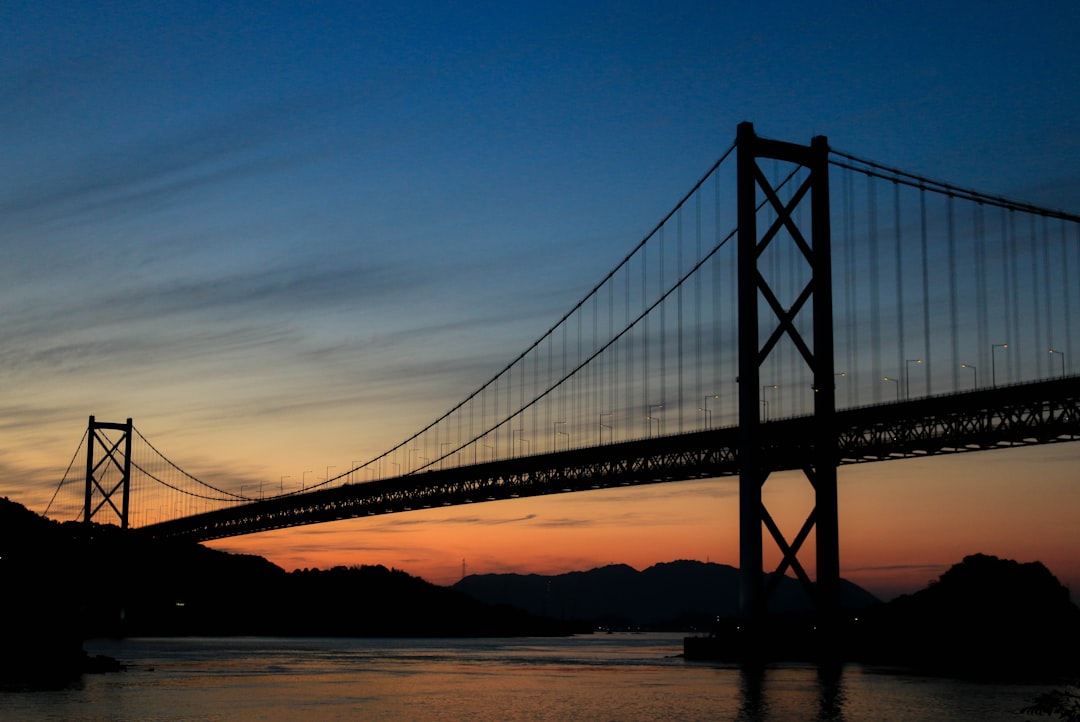
Introduction to the Shimanami Kaido
Stretching approximately 70 kilometers across the sparkling waters of the Seto Inland Sea, the Shimanami Kaido is widely regarded as one of the most scenic cycling routes in the world. Connecting Onomichi in Hiroshima Prefecture to Imabari in Ehime Prefecture, this remarkable expressway links the main island of Honshu to Shikoku via a chain of six small islands, all joined together by a series of dramatic suspension and cable-stayed bridges. Unlike most expressways, the Shimanami Kaido features dedicated cycling paths that run alongside or beneath the car lanes, making it entirely possible—and hugely popular—to pedal the entire route from coast to coast.
Whether you are a seasoned cyclist chasing a bucket-list ride or a casual traveler looking for a memorable day trip, the Shimanami Kaido offers something for everyone. This guide covers everything you need to know to plan your own coastal cycling adventure, from route details and bike rentals to island highlights and practical tips.
What Makes the Shimanami Kaido Special
The appeal of the Shimanami Kaido lies in its perfect blend of engineering marvel and natural beauty. Riders cross six architecturally stunning bridges, each offering sweeping views of the Seto Inland Sea dotted with small islands, fishing boats, and citrus groves climbing the hillsides. The route is exceptionally well signed with a blue line painted on the road that guides cyclists the entire way, so navigation is virtually foolproof. Rest stops, toilets, vending machines, and bike repair stations are spaced regularly along the course, making it accessible even for those who don’t cycle often.
Route Overview: Islands and Bridges
The full route passes through the following islands, each with its own character worth exploring:
- Onomichi (Honshu) – A charming port town with retro shopping streets, temples on the hillside, and a laid-back seaside atmosphere. This is the traditional starting point for riders heading south.
- Mukaishima – The first island crossing, known for its shipbuilding history and quiet residential lanes.
- Innoshima – Home to citrus orchards and a hilltop park with panoramic views of the bridges and sea.
- Ikuchijima – Famous for the ornate Kosanji Temple and the art-filled Setoda area, as well as some of the best lemon and mikan orange groves in the region.
- Omishima – A spiritual center with the historic Oyamazumi Shrine, dedicated to the god of the sea, mountains, and war.
- Hakatajima – A quieter island with pleasant coastal roads and small fishing villages.
- Oshima – The final island before reaching Shikoku, offering views of the Kurushima Straits and its famously strong tidal currents.
- Imabari (Shikoku) – The endpoint of the route, known for its castle, towel industry, and delicious local seafood.
The bridges themselves are architectural highlights. The Kurushima Kaikyo Bridge, connecting Oshima to Imabari, is one of the longest suspension bridge systems in the world and offers a thrilling finale to the ride.
Best Time to Cycle the Shimanami Kaido
The Shimanami Kaido can be enjoyed year-round, which is part of its appeal as an evergreen travel destination. Spring brings mild temperatures and blooming flowers along the coastal paths, while autumn offers crisp air and comfortable riding conditions, making both seasons especially popular among cyclists. Summer can be hot and humid, so early morning starts and plenty of hydration are recommended if riding during warmer months. Winter is generally mild in this part of Japan and can be a peaceful time to ride with fewer crowds, though it’s wise to check for occasional strong winds on the bridges. Regardless of when you visit, layering clothing and checking the weather forecast before departure will help ensure a comfortable ride.
Getting There and Bike Rentals
Onomichi and Imabari are both accessible by train and bus from major cities such as Hiroshima, Okayama, and Matsuyama, making the Shimanami Kaido easy to reach without a car. Bicycle rental terminals are available at both ends of the route as well as at several points along the way, allowing riders to start or end their journey flexibly and even rent in one city and return in another. Rental options typically range from standard city bikes to road bikes and electric-assist bicycles, the latter being a great choice for those wanting to conquer the hills and bridge climbs with less effort. Helmets are usually available for rent as well, and it’s highly recommended to wear one for safety, especially on the bridge sections where wind can be strong.
Suggested Itinerary
One-Day Ride
Fit and motivated cyclists can complete the entire 70-kilometer route in a single day, typically taking between six and eight hours including rest stops and sightseeing. Starting early from Onomichi allows plenty of daylight to enjoy the islands without rushing.
Two-Day Ride
For a more relaxed pace, splitting the journey over two days allows time to fully explore island attractions like Kosanji Temple, Oyamazumi Shrine, and local cafes. Staying overnight on Ikuchijima or Omishima is a popular choice, with a variety of guesthouses and cyclist-friendly hotels available.
Half-Day Sampler
Travelers short on time can experience the highlights by cycling just a portion of the route, such as the section between Onomichi and Ikuchijima, which includes several of the most scenic bridges and island views.
Must-See Stops Along the Way
- Kosanji Temple and Miraishin no Oka on Ikuchijima – A vividly colorful temple complex followed by a hilltop of gleaming white marble sculptures overlooking the sea.
- Oyamazumi Shrine on Omishima – One of Japan’s oldest shrines, housing an impressive collection of samurai armor and weaponry.
- Tatara Bridge – One of the longest cable-stayed bridges in the world, connecting Ikuchijima and Omishima with breathtaking sea views.
- Kurushima Kaikyo Bridge – The dramatic final crossing into Imabari, best appreciated from the nearby observation park.
- Setoda Sunset Beach – A relaxing spot to rest and watch the sun dip over the Seto Inland Sea.
Practical Tips for Cyclists
- Follow the blue guide line painted on the roads and bike paths; it marks the entire official route from Onomichi to Imabari.
- Carry cash or an IC card, as small island shops and vending machines may not accept credit cards.
- Pack sunscreen, a hat, and rain gear, as weather on the open sea bridges can change quickly.
- Take advantage of the numerous rest stations, known locally as “terminals,” which offer restrooms, air pumps, and simple repair tools.
- Sample local specialties along the way, including citrus-based drinks, fresh seafood, and Imabari’s famous yakitori.
- Book accommodation in advance during peak travel seasons, as cyclist-friendly lodging can fill up quickly.
Safety and Etiquette on the Route
While the Shimanami Kaido is well designed for cyclists, it’s important to ride on the correct side of the path, signal turns, and be mindful of pedestrians and other cyclists, especially in town centers. Bridge sections often have separate elevated cycling lanes, but wind can be strong, so maintaining a steady grip and moderate speed is advised. Always follow local traffic rules, and if renting a bicycle, check the brakes and tire pressure before setting off each day.
Final Thoughts
The Shimanami Kaido offers a rare travel experience where physical activity, natural scenery, and cultural discovery come together seamlessly. Gliding across bridges suspended above the glittering Seto Inland Sea, pausing at hilltop temples, and tasting fresh island citrus along the way make this route far more than just a cycling challenge—it’s a journey through some of Japan’s most captivating coastal landscapes. Whether you tackle it in a single ambitious day or savor it over a relaxed weekend, the Shimanami Kaido is an unforgettable addition to any Japan itinerary.
Photo by Ray Waller on Unsplash