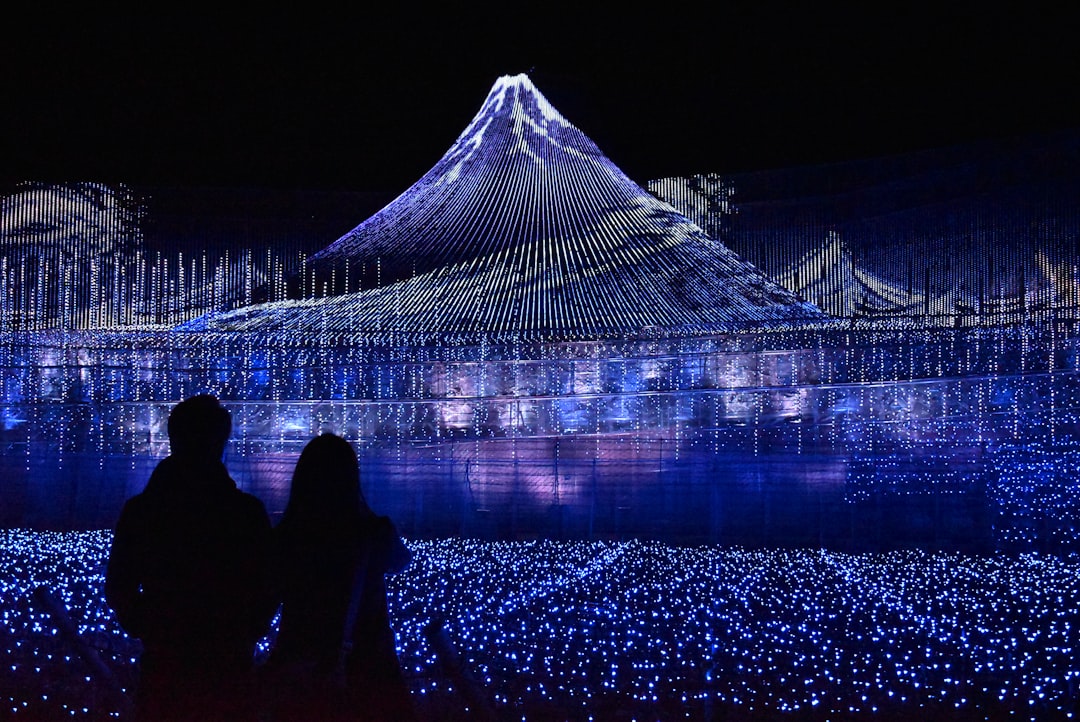
Introduction to Nabana no Sato Winter Illumination
When the temperatures drop and the New Year holidays approach, one destination lights up the Japanese winter travel calendar more brilliantly than almost any other: Nabana no Sato. Located in Kuwana, Mie Prefecture, this botanical garden transforms into a dazzling sea of LED lights every winter, drawing millions of visitors who brave the cold for a glimpse of its legendary illumination tunnels, shimmering light gardens, and reflective winter ponds. Whether you are planning a year-end getaway, a New Year’s trip with family, or a romantic winter break excursion, this guide covers everything you need to know to experience Nabana no Sato’s winter illumination festival like a seasoned traveler.
A Brief History of the Illumination
Nabana no Sato began as a flower park, but its winter light displays quickly became the main attraction, evolving year after year into one of the largest illumination events in Japan. The park uses millions of LED bulbs to create massive, ever-changing scenes—from cascading waterfalls of light to entire tunnels that appear to breathe with color. The event has earned repeated recognition in national rankings of Japan’s best illumination festivals, and it remains a beloved winter tradition for both Japanese families and international visitors seeking hatsumode-adjacent activities and festive winter atmosphere.
When to Visit: Best Time for Crowd Avoidance
The winter illumination typically runs from mid-autumn through early spring, with the coldest months—late December through February—offering the crispest air and clearest light reflections. If you want to avoid the heaviest crowds, keep these tips in mind:
- Weekday evenings, especially Tuesday through Thursday, are significantly quieter than weekends.
- The period immediately around New Year’s Eve and New Year’s Day sees the highest crowds, as many visitors combine the illumination with hatsumode (the first shrine visit of the year) at nearby shrines. If you prefer a calmer experience, visit a few days before or after this peak window.
- Arrive right at opening time in the late afternoon to secure a good viewing spot before sunset, then enjoy the transition from daylight to full illumination.
- Late January and February tend to be less crowded than December, while still offering the full light display in cold, clear winter air.
How to Get to Nabana no Sato
Nabana no Sato is easily reached from major hubs like Nagoya, making it a popular day trip or evening excursion during winter break travel. Direct buses run from Nagoya Station and other regional stations, especially during the illumination season when demand is high. Travelers coming from Kansai or Kanto often combine a stay in Nagoya with a dedicated evening trip to the park. If you are driving, be aware that parking lots fill quickly on weekends and holidays, so arrive early or consider public transportation to avoid long waits in the cold.
Tickets and Admission
Admission to Nabana no Sato includes garden entry, and many visitors choose to add a portion of the ticket price toward food and drink vouchers usable inside the park. Prices are seasonal and may vary slightly depending on whether special exhibits or New Year events are running, so checking the official site before your trip is recommended. Purchasing tickets in advance, where available, can help you skip long entry lines, which is especially valuable during the busy New Year period.
What to Expect: Illumination Zones and Highlights
The park’s illumination is divided into several themed zones, each offering a distinct winter atmosphere:
- The Light Tunnel: A signature feature where visitors walk through an arched tunnel glowing in shifting colors, creating one of the most photographed spots in the park.
- The Water Reflection Garden: Lights reflect off a large pond, doubling the visual impact and creating a mirror-like winter wonderland effect.
- Seasonal Theme Displays: Many years feature a rotating theme, such as cherry blossoms rendered in light, autumn foliage motifs recreated in LEDs, or festive New Year imagery.
- Begonia Garden: A warm, climate-controlled greenhouse filled with real flowers, offering a cozy break from the outdoor cold.
Photography enthusiasts should bring a tripod or a camera capable of handling low-light conditions, as the combination of darkness and vibrant lights creates stunning but technically challenging shots.
Cold-Weather Preparation Tips
Winter evenings in Mie Prefecture can be bitterly cold, especially once the sun sets and you’re standing outdoors for extended periods. Proper preparation makes a huge difference in enjoying the illumination comfortably:
- Dress in thermal layers, including a heat-tech style base layer, insulated coat, gloves, scarf, and a warm hat.
- Wear thick socks and comfortable, insulated walking shoes, since you’ll be walking for one to two hours or more across the park’s paths.
- Bring disposable body warmers (kairo), which are widely sold at convenience stores in Japan and are extremely effective for keeping hands and feet warm.
- Consider a thermos of hot tea or take advantage of the park’s food stalls serving hot snacks and warm drinks.
- Check the weather forecast beforehand, as rain or strong wind can make an already cold evening feel much harsher.
Food and Dining Inside the Park
Nabana no Sato offers a variety of food stalls and restaurants, making it easy to warm up between viewing different illumination zones. Popular options include hot ramen, oden, grilled skewers, and Japanese sweets. Many visitors use their included food vouchers to sample several different stalls throughout the evening, turning the visit into a casual food-and-lights winter experience.
Nearby Attractions to Combine With Your Visit
Since Nabana no Sato is located within a larger resort complex, visitors can easily combine their illumination viewing with other activities. Nearby hot spring facilities offer a relaxing soak to warm up before or after exploring the lights, which pairs perfectly with the winter theme of the trip. Travelers based in Nagoya can also explore the city’s castle, shopping districts, and food culture during the day before heading to Nabana no Sato in the evening for the illumination.
Frequently Asked Questions
Is Nabana no Sato illumination worth visiting during the New Year holidays?
Yes, though it is one of the busiest periods. If crowds are a concern, aim for a weekday visit slightly before or after the New Year’s Eve and New Year’s Day peak.
How long should I plan to stay?
Most visitors spend two to three hours exploring the illumination zones, with additional time if you plan to eat at the food stalls or visit the flower greenhouses.
Is the illumination suitable for families and children?
Absolutely. The wide, well-lit paths and variety of food options make it an accessible and enjoyable winter outing for visitors of all ages.
Final Thoughts
Nabana no Sato’s winter illumination festival is one of the most memorable ways to experience Japan’s festive winter season. With proper planning around crowd patterns, smart cold-weather preparation, and an appreciation for the sheer scale of the light displays, your visit can become a highlight of any year-end or New Year trip to Japan. Bundle up, bring your camera, and prepare to be dazzled by one of the country’s most spectacular seasonal light shows.
Photo by Marisa Lucian on Unsplash