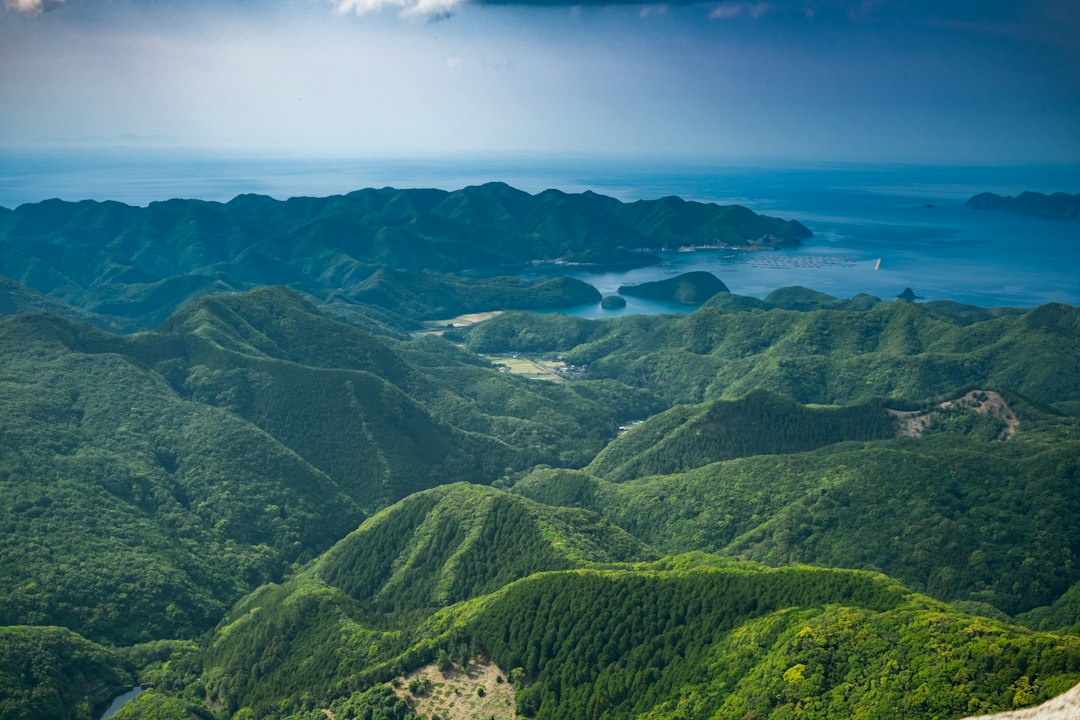
Discovering the Serene Side of Kyushu
While Kyushu’s mainland cities like Fukuoka, Kumamoto, and Kagoshima draw travelers with their vibrant food scenes and volcanic landscapes, the true magic of this southern Japanese region often lies just offshore. Scattered along Kyushu’s rugged coastline are dozens of small islands where time seems to slow down, fishing boats bob gently in turquoise harbors, and the loudest sound you’ll hear is the wind moving through pine trees. These quiet island escapes offer a refreshing alternative to Japan’s crowded tourist circuits, providing a glimpse into a slower, more traditional way of life that has persisted for generations.
Whether you’re seeking pristine beaches, ancient shrines, fresh seafood, or simply a place to disconnect from modern life, Kyushu’s island archipelagos deliver an authentic Japan experience without the crowds. This guide explores the best hidden island destinations along the Kyushu coastline, along with practical tips for planning your own peaceful getaway.
Why Kyushu’s Islands Deserve a Spot on Your Itinerary
Kyushu sits at the crossroads of Japan, mainland China, and the Korean Peninsula, which means its islands carry a fascinating blend of cultural influences rarely found elsewhere in Japan. Centuries of maritime trade, hidden Christian communities, and unique fishing traditions have shaped these small landmasses into repositories of history that feel worlds away from Tokyo or Osaka. Add to that dramatically clear waters, subtropical flora, and a slower pace of life, and you have destinations perfectly suited for travelers craving authenticity over spectacle.
Untouched Natural Beauty
Unlike heavily developed resort islands elsewhere in Asia, many of Kyushu’s islands remain refreshingly undeveloped. Rocky coastlines meet emerald forests, and beaches often stay empty even during peak domestic holiday periods.
Deep Cultural Roots
Many of these islands served as refuges for Hidden Christians during the Edo period, as strategic trading posts with Korea, or as isolated fishing communities that preserved unique dialects, festivals, and cuisines.
Top Quiet Islands Along the Kyushu Coastline
Goto Islands, Nagasaki Prefecture
The Goto Islands form an archipelago of over 140 islands scattered west of Nagasaki, though only a handful are inhabited. This is one of Japan’s most significant Hidden Christian heritage sites, home to numerous UNESCO-recognized churches built by communities who secretly practiced their faith for centuries. Beyond the historical churches, Goto offers some of the clearest water in Japan, ideal for snorkeling and diving. Villages here move at an unhurried pace, with fresh seafood markets and family-run guesthouses replacing chain hotels.
Amakusa Islands, Kumamoto Prefecture
Connected to the mainland by a series of scenic bridges, the Amakusa Islands blend accessibility with genuine tranquility. Known for dolphin-watching boat tours, dramatic sunsets over the Ariake Sea, and another cluster of Hidden Christian heritage sites, Amakusa rewards travelers willing to rent a car and explore its winding coastal roads. The islands are also famous for citrus fruit cultivation and some of the freshest seafood don (rice bowls) in Kyushu.
Iki Island, Nagasaki Prefecture
Closer to Fukuoka than most travelers expect, Iki Island offers an easy escape for those short on time. Ancient Shinto shrines dot the landscape, many predating written Japanese history, alongside dramatic coastal rock formations and quiet beaches perfect for a picnic. Iki is also renowned for its beef and squid, making it a worthwhile stop for food lovers seeking regional specialties away from crowded restaurants.
Tsushima Island, Nagasaki Prefecture
Positioned almost exactly between Japan and South Korea, Tsushima has a distinctly borderland atmosphere. Dense forests cover roughly ninety percent of the island, hiding shrines, historic fortifications, and hiking trails that reveal sweeping ocean views. The island’s unique history as a diplomatic gateway between two nations adds an intriguing layer for history enthusiasts.
Hirado Island, Nagasaki Prefecture
Once a major hub for Portuguese and Dutch trade during Japan’s early contact with the West, Hirado retains a charming blend of Japanese and European architectural influences. A red bridge connects the island to the mainland, and its old town streets are lined with temples, churches, and samurai-era buildings, all set against a backdrop of calm harbor waters.
Koshikijima Islands, Kagoshima Prefecture
For travelers seeking true isolation, the Koshikijima Islands off the coast of Kagoshima offer dramatic sea cliffs, natural rock arches, and some of the darkest night skies in Kyushu, perfect for stargazing. Very few international visitors make it here, meaning you’ll likely have entire beaches to yourself.
Getting to Kyushu’s Quiet Islands
Most of these islands are reachable by regular ferry services from mainland ports such as Nagasaki, Sasebo, Karatsu, or Kagoshima. High-speed jetfoils cut travel times significantly for islands like Iki and Goto, while smaller ferries service more remote destinations like Koshikijima. A few islands, including parts of Amakusa, are connected via bridges and accessible by rental car, which is often the most flexible way to explore multiple coastal villages in a single trip. It’s worth checking ferry schedules in advance, as services can be less frequent than mainland trains, and weather conditions occasionally affect crossings.
Best Things to Do on Kyushu’s Islands
- Visit centuries-old churches and shrines connected to Hidden Christian history
- Snorkel or dive in some of Japan’s clearest coastal waters
- Sample hyper-local seafood, from fresh squid to citrus-fed beef
- Hike through subtropical forests to hidden coastal viewpoints
- Stay in family-run minshuku guesthouses for an authentic island welcome
- Watch wild dolphins in their natural habitat near Amakusa
- Stargaze away from light pollution on more remote islands like Koshikijima
Tips for a Peaceful Island Getaway
Because many of these islands prioritize quiet living over tourism infrastructure, a little preparation goes a long way. Cash is still preferred in many small shops and guesthouses, so carry enough yen for your stay. Mobile signal can be patchy in more remote areas, which is part of the appeal for travelers seeking genuine disconnection. Renting a car is highly recommended for larger islands like Amakusa, Goto, and Tsushima, as public transportation options are limited outside main towns. Booking accommodation in advance is wise during Japanese national holidays, when domestic travelers also seek out these peaceful destinations.
When to Visit
Kyushu’s islands are enjoyable throughout the year, each season offering something different. Spring brings mild temperatures and blooming flora, ideal for hiking and exploring historic sites. Summer is best for swimming, snorkeling, and beach days, though it’s also the busiest season with domestic travelers. Autumn offers comfortable weather and fewer crowds, making it a favorite among those seeking tranquility. Winter is quieter still, with crisp air perfect for coastal walks and cozy seafood hot pot dinners in local guesthouses.
Where to Stay
Accommodation options across these islands range from simple minshuku family guesthouses, where meals are often included and prepared using the day’s fresh catch, to a growing number of boutique inns blending traditional design with modern comforts. Larger islands like Amakusa and Goto have a wider range of hotels, while smaller destinations like Koshikijima may only offer a handful of guesthouses, adding to their exclusive, secluded charm.
Final Thoughts
For travelers who have already explored Japan’s major cities and are searching for something quieter, more reflective, and deeply rooted in local tradition, Kyushu’s coastal islands offer an unforgettable alternative. From Hidden Christian churches hidden among green hills to crystal-clear waters perfect for an afternoon swim, these islands prove that some of Japan’s most rewarding experiences are found not in its busiest destinations, but in the quiet spaces just beyond the mainland shore. Pack light, slow down, and let Kyushu’s island coastline reveal a side of Japan that few visitors ever get to see.
Photo by Nichika Sakurai on Unsplash