Discovering Fukuoka’s Best-Kept Secrets
Fukuoka often gets overshadowed by Tokyo, Kyoto, and Osaka on the typical Japan itinerary, and that’s precisely what makes it such a rewarding destination for travelers seeking authenticity. While most visitors stick to Tenjin’s shopping arcades and Hakata Station’s convenience, the city’s true character reveals itself in its lesser-known neighborhoods. This coastal metropolis on Kyushu island offers a refreshing blend of laid-back local life, incredible food culture, and historical charm that rewards those willing to wander off the beaten path.
If you’re planning a trip to Fukuoka and want to experience it like a local rather than a tourist checking boxes, these hidden neighborhoods deserve a spot on your itinerary.
Yanagibashi: The Kitchen of Fukuoka
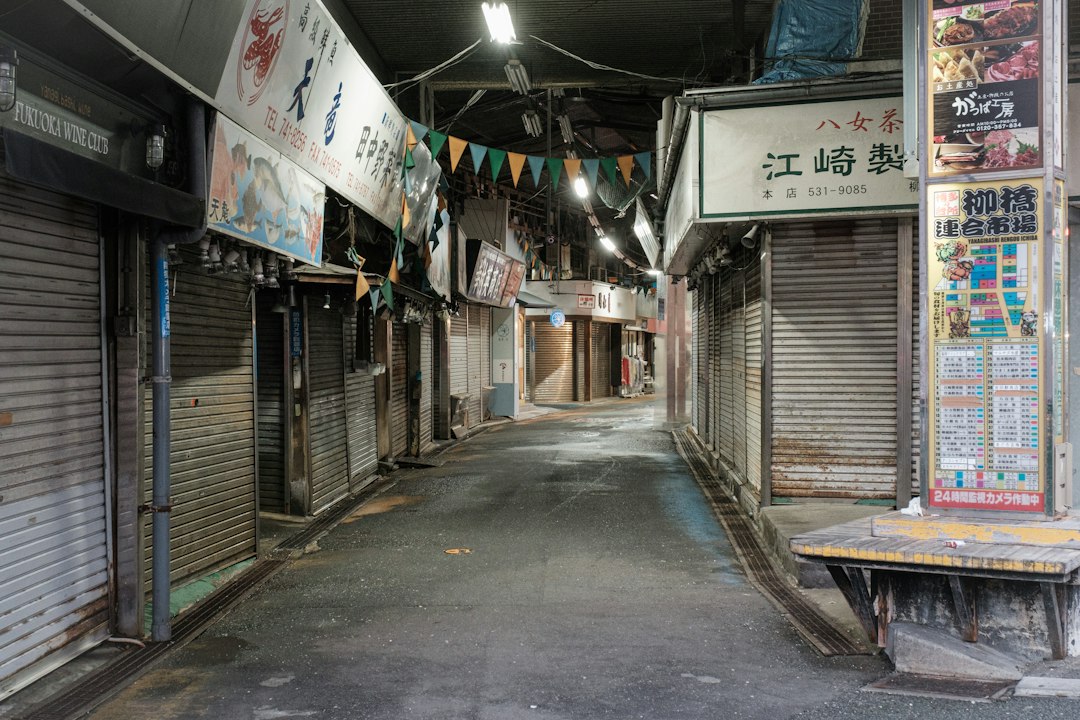
Often called ‘Fukuoka’s kitchen,’ Yanagibashi Rengo Market is a covered market street that has been supplying local restaurants and households with fresh seafood, produce, and specialty goods for decades. Unlike the more famous Kawabata Shopping Arcade, Yanagibashi retains an unpolished, working-class charm that feels genuinely local.
- Wander through narrow aisles lined with fishmongers calling out the day’s catch
- Sample fresh sashimi at tiny standing sushi counters tucked between shops
- Visit in the early morning to see the market at its liveliest, around 8-10am
- Try mentaiko (spicy cod roe), a Fukuoka specialty, straight from producers
This neighborhood offers a sensory experience that package tours simply cannot replicate. The smell of grilling fish, the calls of vendors, and the sight of grandmothers haggling over vegetables paint a vivid picture of everyday Fukuoka life.
Imaizumi: Where Old Meets New
Sandwiched between the bustling Tenjin district and the tranquil Ohori Park, Imaizumi is a neighborhood in quiet transition. Here you’ll find a fascinating mix of retro coffee shops that have operated for generations alongside stylish new cafes and boutique stores run by young entrepreneurs.
Take time to explore the backstreets where vintage clothing stores sit beside traditional tea houses. Imaizumi Park itself is a small green oasis where local families gather, offering a peaceful contrast to the surrounding urban density. The area’s relative anonymity means you can browse shops without the crowds found in more famous shopping districts, making it perfect for slow, intentional exploration.
Nagahama: Yatai Culture Away From the Crowds
Everyone knows about the yatai (food stalls) near Tenjin and Nakasu, but Nagahama offers a quieter, more local yatai experience along the waterfront. This neighborhood, historically tied to Fukuoka’s fishing industry, still maintains strong connections to the sea.
- Visit Nagahama Fish Market early morning for the freshest catch in the city
- Try Hakata-style tonkotsu ramen at stalls with fewer tourists and more regulars
- Watch the sunset over Hakata Bay from the waterfront promenade
- Explore small izakayas where fishermen and locals unwind after work
The pace here feels distinctly different from central Fukuoka. Time seems to slow down as fishing boats bob gently in the harbor and elderly locals chat outside small storefronts that have remained unchanged for years.
Hakata’s Back Alleys: Beyond the Station
While Hakata Station itself is a modern transportation hub, the historic Hakata district surrounding it holds layers of history often missed by travelers rushing to catch their next train. This is the original heart of the city, predating the merger with the former Fukuoka Castle town that gave the modern city its name.
Wander through the narrow lanes near Kushida Shrine, home to the famous Hakata Gion Yamakasa festival floats displayed year-round. The surrounding streets contain traditional wooden buildings, small shrines, and family-run craft shops specializing in Hakata-ori textiles and Hakata dolls, traditional crafts that have been produced in this exact neighborhood for centuries.
Things to Notice in Old Hakata
- Small stone markers indicating historical merchant house locations
- Traditional confectionery shops selling seasonal wagashi sweets
- Narrow alleyways connecting main streets, perfect for aimless wandering
- Local temples that rarely appear in guidebooks but offer peaceful respite
Ohori Park Surroundings: Residential Tranquility
Most visitors know Ohori Park for its scenic pond and walking paths, but the residential neighborhoods surrounding it deserve equal attention. This area, adjacent to Fukuoka Castle ruins, offers a glimpse into upscale local living combined with green space that feels worlds away from downtown intensity.
Take a stroll through the quiet streets west of the park where you’ll find independent bookshops, small art galleries, and cafes that cater to neighborhood residents rather than tourists. The nearby Fukuoka City Art Museum provides a cultural anchor, but it’s the surrounding streets—with their mix of modern apartments and older traditional homes—that reveal how contemporary Fukuoka residents actually live.
Daimyo’s Hidden Corners
Daimyo has increasingly become known among fashion-forward visitors, but many still miss its quieter corners. Beyond the trendy boutiques on main streets, small side alleys hide specialty coffee shops, vintage record stores, and tiny bars with seating for only a handful of patrons. These hole-in-the-wall establishments often have no English signage, rewarding those curious enough to peek inside.
Evening exploration here reveals a different energy entirely, as the neighborhood transforms with warm lighting spilling from small bars and the sound of jazz or quiet conversation drifting into the streets. This is where local creatives and young professionals gather away from the more commercial entertainment districts.
Tips for Exploring Fukuoka’s Hidden Neighborhoods
- Rent a bicycle to cover more ground between neighborhoods efficiently
- Visit markets like Yanagibashi and Nagahama in the morning for the best atmosphere
- Learn a few basic Japanese phrases, as English is less common in these local areas
- Carry cash, as many small shops and stalls don’t accept credit cards
- Don’t rush—the charm of these areas lies in unhurried wandering
- Ask locals for recommendations; Fukuoka residents are known for their friendliness
Why Fukuoka’s Hidden Neighborhoods Matter
In an era of overtourism affecting many popular Japanese destinations, Fukuoka offers a refreshing alternative. Its hidden neighborhoods provide travelers with genuine cultural exchange opportunities and a chance to see how locals actually live, eat, and socialize. These areas haven’t been curated for tourist consumption, which means the experiences you’ll have feel more authentic and memorable.
Whether you’re drawn to the market energy of Yanagibashi, the artistic quietude of Ohori Park’s surroundings, or the historical layers of old Hakata, dedicating time to these lesser-known districts will transform your understanding of this dynamic city. Fukuoka rewards curious travelers who venture beyond the obvious highlights, offering a more nuanced and satisfying travel experience than simply checking off famous landmarks.
Next time you visit Fukuoka, resist the urge to follow only the standard tourist route. Instead, pick one or two of these hidden neighborhoods, set aside a few unhurried hours, and let yourself discover the authentic character that makes this Kyushu city so beloved by those who take the time to know it properly.
Photo by Nichika Sakurai on Unsplash