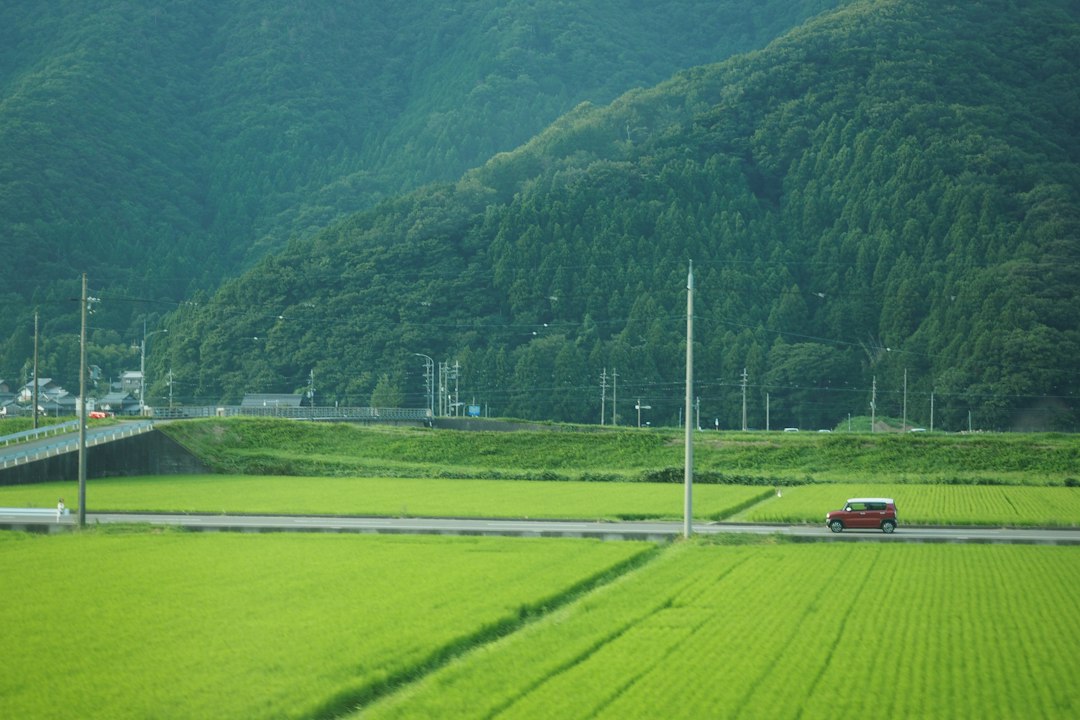
Planning a trip beyond Tokyo and Osaka in 2026? One of the most common questions we get at Japlore is whether pocket WiFi actually works in rural Japan. The short answer is yes—mostly—but coverage quality varies dramatically depending on which mountains, islands, or countryside routes you’re exploring. This guide breaks down the real pocket WiFi coverage map for rural Japan areas as of 2026, so you can stay connected whether you’re hiking the Kumano Kodo, driving through Hokkaido’s countryside, or island-hopping in Okinawa.
Why Coverage Matters More in Rural Japan
Japan’s cities enjoy near-flawless 5G and 4G LTE coverage, but the story changes once you leave urban centers. Rural Japan includes mountainous national parks, remote onsen towns, small fishing villages, and sparsely populated islands where cell towers are fewer and farther between. If you’re relying on Google Maps for driving directions, translation apps for ordering food, or booking last-minute ryokan reservations, losing signal in the middle of nowhere can turn a scenic drive into a stressful ordeal.
How Pocket WiFi Coverage Actually Works
Most pocket WiFi rental devices in Japan piggyback on the three major carrier networks: NTT Docomo, SoftBank, and au (KDDI). Docomo generally has the widest rural footprint because of its legacy infrastructure obligations, followed closely by au, with SoftBank slightly behind in the most remote regions. When you rent a pocket WiFi router from providers like Ninja WiFi, Sakura Mobile, or Japan Wireless, always check which carrier’s network the device uses—this single detail can make or break your connectivity in the countryside.
Docomo Network
Docomo remains the gold standard for rural coverage in 2026. It reaches deep into the Japan Alps, most of Tohoku’s countryside, and even small islands in the Seto Inland Sea. If your itinerary includes multiple rural stops, prioritize a Docomo-based pocket WiFi device.
au (KDDI) Network
au has significantly expanded its rural infrastructure over the past few years and now performs comparably to Docomo in Kyushu, Shikoku, and parts of Hokkaido. It’s a solid second choice, especially for travelers heading to Kagoshima’s volcanic areas or the Shikoku pilgrimage route.
SoftBank Network
SoftBank coverage is excellent in cities and decent along major rural highways, but it thins out noticeably in deep mountain valleys and on smaller outlying islands. If your rental only offers SoftBank, it’s still usable for coastal countryside trips but riskier for backcountry hiking.
Regional Coverage Breakdown
Hokkaido
Hokkaido is Japan’s most rural prefecture, and coverage reflects that. Cities like Sapporo, Asahikawa, and Hakodate have strong signal, but national parks such as Daisetsuzan and the Shiretoko Peninsula have patchy or nonexistent coverage in deep forest areas. Pocket WiFi generally works fine along Route 5 and major tourist roads, but expect dead zones once you’re off-grid hiking.
Tohoku
Tohoku (Aomori, Iwate, Akita, Miyagi, Yamagata, Fukushima) has surprisingly reliable coverage along the Tohoku Shinkansen corridor and most coastal towns, thanks to post-2011 infrastructure rebuilding. Mountain onsen villages like Nyuto Onsenkyo may have weaker signal, so download offline maps beforehand.
Japan Alps and Chubu Mountain Regions
Areas like Kamikochi, the Kiso Valley, and parts of the Nakasendo Trail have inconsistent coverage. Valleys surrounded by steep peaks block signal even when nearby towns have full bars. This is one of the trickiest regions on any pocket WiFi coverage map for rural Japan.
Shikoku
The 88-temple pilgrimage route winds through rural mountains and coastal roads. Coverage is generally good near temples and towns but drops in between, particularly in Tokushima’s mountainous interior.
Kyushu
Kyushu’s rural coverage is strong overall, especially around Yakushima, Aso, and the Kirishima mountains, thanks to au and Docomo tower expansions. Remote hot spring villages in Oita (like parts of Kokonoe) may still have gaps.
Okinawa and Remote Islands
Main Okinawa Island has solid coverage, but smaller islands like Taketomi, Aguni, or the Yaeyama chain can have limited or no pocket WiFi signal at all. If you’re island-hopping in 2026, consider a satellite-backup option or accept some offline time.
Pocket WiFi vs. eSIM for Rural Travel
eSIMs have become hugely popular since 2023, and by 2026 most major eSIM providers (Ubigi, Airalo, Sakura Mobile eSIM) offer similar network access to pocket WiFi rentals. However, pocket WiFi has one major rural advantage: it can be shared among multiple devices and multiple travelers, which matters if you’re navigating as a group in areas with weak, shared signal. eSIMs also require a compatible unlocked phone, whereas pocket WiFi works with laptops, tablets, and translation devices simultaneously—handy when you’re deep in the countryside and need every gadget online at once.
Practical Tips for Staying Connected in Rural Japan
- Always choose a Docomo or au-based pocket WiFi device if your itinerary is rural-heavy.
- Download offline Google Maps for your entire route before departure, since even good coverage areas can have brief dead zones.
- Carry a portable battery pack—pocket WiFi devices drain faster when constantly searching for weak signals.
- For extreme backcountry hiking (Daisetsuzan, deep Japan Alps trails), consider a satellite messenger as a safety backup rather than relying on pocket WiFi alone.
- Rental counters at Narita, Haneda, and Kansai airports let you specify carrier preference—always ask specifically about rural coverage, not just “nationwide coverage,” which can be misleading marketing language.
Pricing in 2026
As of 2026, pocket WiFi rentals typically range from ¥800–¥1,500 per day depending on data speed and carrier, with unlimited-data plans slightly pricier than capped ones. Multi-week rural road trips often get discounted weekly rates. Compare this to eSIM data packages, which usually run ¥1,000–¥3,000 for 5–20GB over a fixed period—fine for light rural use but potentially limiting if you’re uploading lots of photos or video-calling home daily.
A Quick Note on IC Cards and Connectivity Apps
While exploring rural Japan, many travelers now use Suica or Pasmo IC cards loaded onto smartphones for local buses and regional trains—both cards work smoothly with foreign-issued Apple Pay and Google Pay wallets as of 2026, though physical IC cards remain the more reliable choice in areas with limited digital infrastructure. Having stable pocket WiFi helps you top up these cards via apps and check regional bus schedules that often aren’t posted in English at rural stations.
Final Thoughts
There’s no single perfect pocket WiFi coverage map for rural Japan because coverage genuinely shifts valley by valley and island by island. The safest strategy for 2026 travelers is choosing a Docomo or au-based device, preparing offline backups, and accepting that a bit of unplugged time is simply part of the rural Japan experience. Ironically, some of the best travel memories happen exactly when the signal drops and you’re forced to ask a local shopkeeper for directions the old-fashioned way.
Photo by Bobby Youstra on Unsplash