Traveling between Tokyo and Osaka in 2026 doesn’t always mean hopping on the Shinkansen. For budget-conscious travelers, students, and anyone who wants to save a night’s accommodation cost, the overnight bus (yakou bus) remains one of Japan’s most practical travel options. This guide covers everything you need to know in 2026: schedules, operators, prices, seat types, and insider tips for a smooth overnight journey between these two major cities.
Why Choose an Overnight Bus Between Tokyo and Osaka in 2026
The distance between Tokyo and Osaka is roughly 500 km, and while the Tokaido Shinkansen covers it in about 2.5 hours, tickets can cost between 14,000 and 15,000 yen one way (prices have remained elevated since the JR Pass price increase in October 2023). An overnight bus, by contrast, typically costs between 3,000 and 9,000 yen depending on the operator, seat class, and season, and you arrive in the early morning having also saved on a night’s hotel stay. This makes overnight buses especially popular among solo backpackers, students, and long-term travelers working around a Japan itinerary on a budget in 2026.
Overnight Bus vs Shinkansen: Quick Comparison
- Price: Overnight bus 3,000-9,000 yen vs Shinkansen 13,000-15,000 yen (non-reserved to reserved seat, 2026 pricing)
- Travel time: Bus 7-9 hours (overnight) vs Shinkansen 2.5 hours (daytime)
- Comfort: Shinkansen wins for daytime productivity; buses now offer increasingly premium reclining seats and privacy curtains
- Best for: Budget travelers, night owls, and those wanting to maximize daytime sightseeing hours by traveling while asleep
Major Overnight Bus Operators and Routes
Willer Express
Willer Express is the most tourist-friendly operator, offering an English-language booking website and app. Their Tokyo-Osaka route includes several seat classes, from standard reclining seats to the popular “Cocoon” and “Relax” seats with extra legroom, privacy curtains, and USB charging ports. Buses generally depart from Shinjuku, Tokyo Station, or Shibuya area terminals and arrive at Osaka Station, Namba (OCAT), or Umeda area stops.
JR Bus Kanto - Dream Osaka/Dream Tokyo
JR Bus operates the well-known “Dream” series overnight buses connecting Tokyo Station and Shinjuku with Osaka Station and Namba. These buses are known for reliability and comfortable three-row seating configurations that reduce the number of passengers per row, offering more personal space than standard four-row highway buses.
Seibu Bus, Kanto Bus, and Other Regional Operators
Several other companies including Seibu Bus, Kanto Bus, and smaller regional operators also run nightly services. Comparison sites like Bushikaku and Kosokubus.com aggregate these options, making it easy to compare prices and departure times across dozens of operators in one search.
Typical Schedule and Journey Times
Most overnight buses depart Tokyo between 10:00 PM and 11:59 PM and arrive in Osaka between 6:00 AM and 8:00 AM the next day, with total journey times ranging from 7 to 9 hours depending on traffic and rest stops. Buses in the reverse direction (Osaka to Tokyo) follow a similar pattern, departing late evening and arriving early morning. Rest stops (usually one or two short breaks at highway service areas) are standard, giving passengers a chance to stretch, use restrooms, and buy snacks.
As of 2026, most operators offer at least 3-6 daily departures on the Tokyo-Osaka route, with additional buses added during peak travel seasons like Golden Week, Obon in August, and the New Year holidays. Booking at least a few days in advance is strongly recommended during these peak periods, as popular seat classes sell out quickly.
Ticket Prices in 2026
Prices vary significantly by seat class and how far in advance you book:
- Standard 4-row seats: approximately 3,000-5,000 yen
- 3-row seats with more recline: approximately 5,000-7,000 yen
- Premium seats (Cocoon, Relax, or similar private pod-style seating): approximately 7,000-11,000 yen
Prices as of 2026 fluctuate with demand, similar to airline pricing, so booking early or during off-peak weekdays can save you money. Weekend and holiday departures are typically more expensive than weekday services.
Seat Types and Comfort Levels
Modern overnight buses in Japan have evolved considerably. Options now include:
- Standard seats: Four seats per row, moderate recline, footrests
- Three-row seats: Wider seats with more recline and personal space
- Independent/private pod seats: Individual curtained compartments, USB charging, reading lights, and sometimes blankets and slippers provided
- Women-only buses or sections: Many operators offer female-only seating areas or entire buses for solo female travelers seeking extra peace of mind
How to Book Overnight Buses
Booking has become increasingly convenient in 2026. Options include:
- Willer Express website/app: Available in English, accepts international credit cards
- Bushikaku and Kosokubus.com: Japanese-language comparison sites that aggregate multiple operators (useful with browser translation)
- Convenience store kiosks: Many Japanese operators allow booking and payment via Lawson or Family Mart terminals
- Bus terminal counters: Same-day tickets can sometimes be purchased directly if seats are available, though this is riskier during peak season
Tips for a Comfortable Overnight Bus Journey
- Bring an eye mask, neck pillow, and earplugs, as buses have shared lighting and noise from other passengers
- Wear layered clothing since bus air conditioning can vary between overly warm and quite cold
- Pack snacks and a water bottle, though rest stops usually have vending machines and convenience stores
- Charge your phone before departure in case USB ports are unavailable or slow on your specific bus
- Use the restroom before boarding, as onboard toilets are not available on all buses
IC Cards and Payment Notes for 2026
While bus tickets are typically purchased in advance online or via cash/card at terminals, having a Suica or Pasmo IC card is still extremely useful for onward travel within Tokyo and Osaka. As of 2026, most Suica and Pasmo cards can now be added directly to iPhone and compatible Android wallets, and mobile Suica now supports many international credit cards, making it easier for visitors to top up without needing physical cash. However, some regional IC card compatibility issues can still arise, so it’s worth checking the latest official Suica/Pasmo compatibility list for your specific phone and card before your trip.
Frequently Asked Questions
Is an overnight bus safe?
Yes, Japan’s overnight bus industry is well-regulated with professional drivers, mandatory rest breaks, and often two drivers taking turns on longer routes. Incidents are rare, and the industry has significantly improved safety standards over the past decade.
Can I bring luggage?
Most overnight buses allow one large suitcase stored in the undercarriage luggage compartment plus one carry-on item, similar to airline policies. Confirm specific luggage limits with your chosen operator during booking.
Do I need to reserve in advance?
While same-day tickets are sometimes available, advance booking (at least 3-7 days ahead) is strongly recommended, especially for popular premium seat classes and during holiday periods in 2026.
Overnight buses remain a fantastic way to travel between Tokyo and Osaka while saving money and maximizing your daytime sightseeing hours. Whether you choose a basic budget seat or a premium private pod, this classic Japanese travel option continues to offer excellent value in 2026.
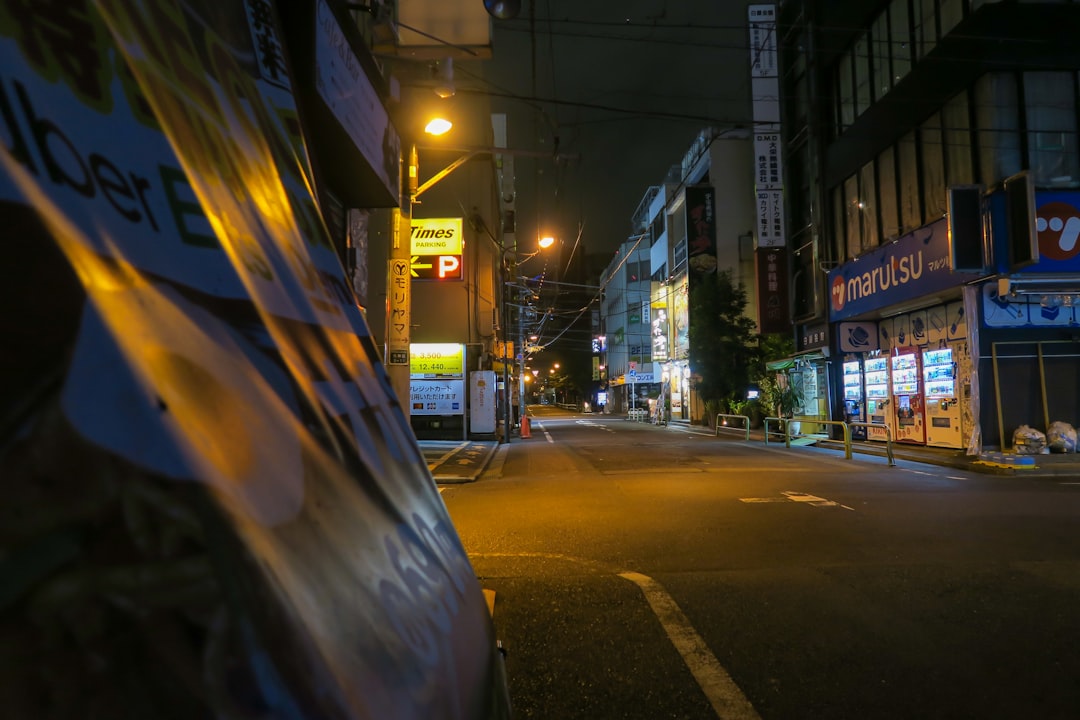
Photo by Shigeki Wakabayashi on Unsplash