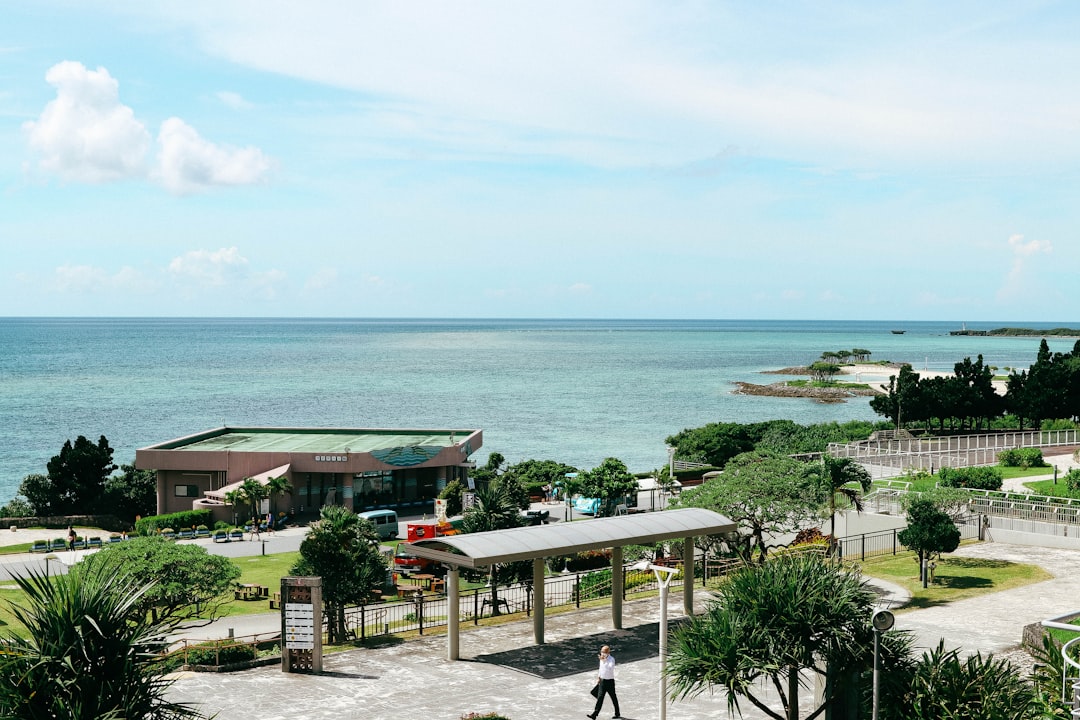

Photo by SLNC on Unsplash
Exploring Okinawa’s Timeless Fishing Villages
Long before Okinawa became famous for its turquoise beaches and resort culture, its coastline was dotted with humble fishing villages where communities built their lives around the rhythm of the tides. Today, these villages remain some of the most authentic and rewarding destinations for travelers seeking a slower, more genuine side of the Ryukyu Islands. This guide will walk you through the best coastal fishing villages in Okinawa, what makes them special, and how to experience them respectfully and meaningfully.
Why Visit Okinawa’s Fishing Villages
While Naha and the resort areas of the mainland attract most visitors, the fishing villages scattered along Okinawa’s coastline and outlying islands offer a completely different rhythm of life. Here you’ll find weathered wooden boats called sabani, drying nets stretched along seawalls, and small harbors where the morning catch is unloaded before sunrise. These communities have preserved traditions tied to the sea for generations, and visiting them offers insight into Okinawan culture that predates the tourism boom.
A Living Connection to the Ryukyu Kingdom
Many of these coastal settlements trace their roots back centuries, to a time when the Ryukyu Kingdom relied on maritime trade and fishing to sustain its economy. The stone seawalls, coral-block houses, and utaki (sacred groves) found in these villages reflect a distinct architectural and spiritual heritage that differs from mainland Japan, shaped by the islands’ unique relationship with the ocean.
Top Fishing Villages to Explore in Okinawa
Itoman: The Historic Fishing Capital
Located in the southern part of Okinawa’s main island, Itoman has long been considered the spiritual home of Okinawan fishing culture. The Itoman Fish Market bustles with activity in the early morning hours, offering visitors a chance to see fresh tuna, colorful reef fish, and seasonal catches being auctioned and sold. Wander through the harbor area to see traditional sabani boats, and don’t miss the Harii Dragon Boat Races held annually, a festival rooted in prayers for a safe and abundant catch.
Motobu Peninsula’s Quiet Harbors
The Motobu Peninsula in northern Okinawa is home to several small fishing hamlets that remain largely untouched by mass tourism. Here, narrow lanes wind between coral-stone walls, and elderly fishermen mend nets in the shade. This area also serves as a gateway to the outlying islands of Ie and Kouri, both of which retain strong fishing traditions and offer stunning coastal scenery.
Kouri Island’s Fishing Heritage
Connected to the mainland by a scenic bridge, Kouri Island is known for its heart-shaped rock formations and pristine beaches, but it’s also a working fishing community. Local fishermen still bring in catches of tobiuo (flying fish), a regional specialty often served fried or as sashimi at small family-run restaurants near the harbor.
Zamami and the Kerama Islands
For a more remote experience, the Kerama Islands offer fishing villages surrounded by some of the clearest waters in Japan. Zamami Village, in particular, balances its fishing heritage with a growing reputation for whale watching and diving, giving visitors a chance to see how traditional livelihoods coexist with new forms of marine tourism.
Miyako and Yaeyama Fishing Communities
Further south, the Miyako and Yaeyama island groups host smaller, lesser-visited fishing settlements. On islands like Taketomi and Kuroshima, fishing remains deeply woven into daily life, and visitors can often observe boats returning with the day’s catch in the late afternoon, followed by informal markets selling reef fish and shellfish directly to locals.
What to Experience in These Villages
- Watching the early morning fish auctions at working harbors
- Sampling fresh Okinawan seafood dishes like irabuchaa (parrotfish) and umibudo (sea grapes)
- Observing traditional sabani boat building and racing culture
- Visiting utaki sacred sites connected to sea deities and fishing rituals
- Talking with local fishermen and family-run seafood eateries for firsthand stories
- Photographing coral-stone architecture and coastal stone walls unique to the region
Best Time to Visit
Okinawa’s fishing villages can be visited comfortably throughout the year, though each season offers a different atmosphere. Spring and autumn bring pleasant temperatures ideal for walking through village lanes and harbors. Summer offers the liveliest fishing activity and the famous Harii dragon boat festivals, though the heat and humidity can be intense. Winter, while cooler, is a wonderful time to enjoy quieter harbors and fewer crowds, along with hearty seasonal seafood dishes.
Tips for Visiting Respectfully
These villages are working communities, not tourist attractions built for visitors, so a respectful approach goes a long way. Keep noise levels low near harbors during early morning fishing activity, ask before photographing individuals or their boats, and support local businesses by purchasing seafood or dining at family-run establishments rather than large chain restaurants. Many villages have small shrines or sacred sites that should be treated with the same reverence as temples elsewhere in Japan.
Getting Around
Renting a car is the most practical way to explore Okinawa’s coastal villages, especially those in Motobu, Itoman, and the more remote Yaeyama islands. For the outer islands like Zamami, Taketomi, or Kouri, ferries and small ports connect visitors from the main island, often departing from Naha or nearby harbor towns. Public buses exist but are limited in frequency, so a rental car or scooter provides far more flexibility for reaching smaller, less-visited harbors.
Where to Stay Nearby
Rather than staying in large resort areas, consider booking a guesthouse or minshuku (family-run inn) near these fishing communities. Many hosts are connected to local fishing families and can offer recommendations for the freshest seafood, the best times to visit the harbor, or lesser-known coastal walking paths. Staying locally not only enriches your experience but also directly supports the preservation of these traditional communities.
Final Thoughts
Okinawa’s coastal fishing villages offer a rare and rewarding glimpse into a way of life shaped entirely by the rhythms of the sea. Far from the crowded beaches and resort towers, these harbors and hamlets preserve centuries of maritime tradition, architecture, and cuisine that reflect the true spirit of the Ryukyu Islands. Whether you’re watching the sunrise fish auction in Itoman, wandering quiet lanes on Kouri Island, or sampling fresh catch in a remote Yaeyama village, exploring these communities offers a meaningful, memorable way to experience Okinawa beyond its famous beaches.