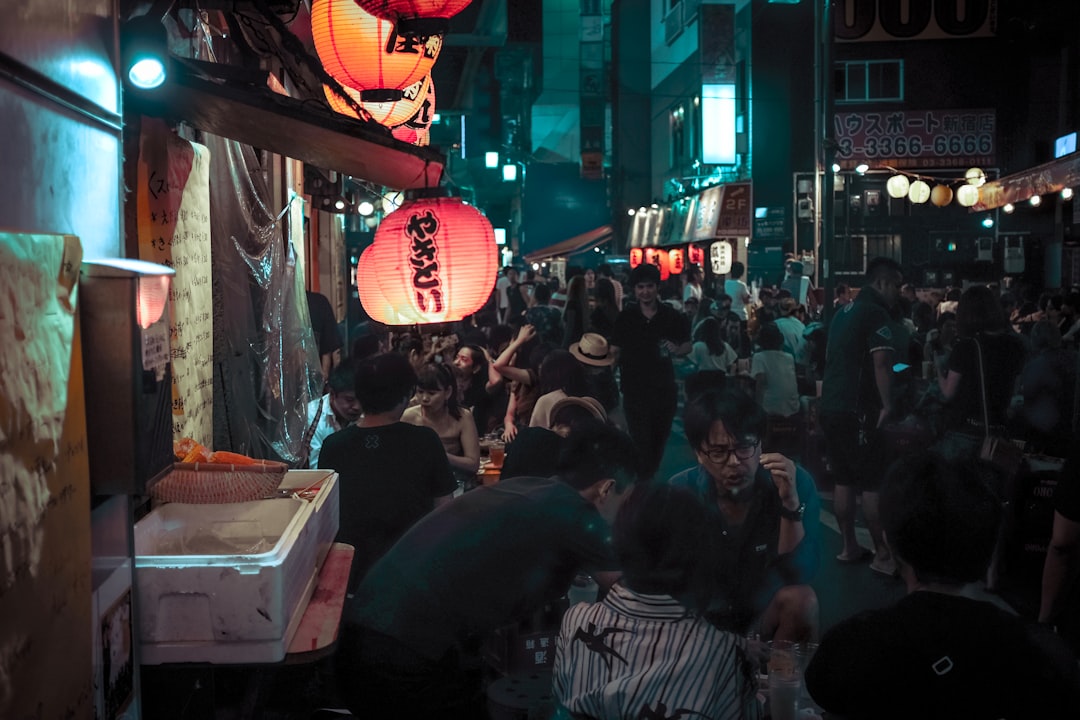

Photo by Alex Knight on Unsplash
Discovering Koenji: Tokyo’s Bohemian Secret
Just fifteen minutes west of Shinjuku on the JR Chuo Line lies Koenji, a neighborhood that feels like a completely different city from the glittering skyscrapers most visitors associate with Tokyo. Koenji is where Tokyo’s punk rock history collides with vintage fashion culture, where tiny izakayas spill onto narrow lanes, and where locals still outnumber tourists by a wide margin. If you’re searching for an authentic slice of Tokyo life away from the crowds of Shibuya and Harajuku, this koenji tokyo hidden neighborhood guide will show you exactly why this area deserves a spot on your itinerary.
Why Koenji Deserves Your Attention
Koenji has long been Tokyo’s countercultural heartland. Since the 1970s, it has attracted musicians, artists, and free spirits who couldn’t afford or didn’t want the polished sheen of central Tokyo. Today, that legacy lives on in its independent record shops, live music venues, secondhand clothing stores, and a general sense of creative freedom that permeates the streets. Unlike more curated tourist destinations, Koenji rewards wandering. There’s no single must-see landmark here; instead, the neighborhood itself is the attraction.
A Neighborhood Built on Music and Rebellion
Koenji earned its reputation as Tokyo’s punk and indie music capital decades ago, and that spirit hasn’t faded. Small live houses tucked into basements and second floors host everything from garage rock to experimental jazz nearly every night of the week. Walking through the backstreets, you’ll spot posters for underground gigs, murals with anti-establishment messages, and record stores stacked floor to ceiling with vinyl spanning genres and generations.
Top Things to Do in Koenji
1. Explore the Vintage Fashion Scene
Koenji is often called Tokyo’s vintage clothing capital, and for good reason. The streets around Koenji Station, particularly Pal Shopping Street and the surrounding alleys, are packed with secondhand and vintage boutiques selling everything from 1960s Americana to Japanese streetwear from the 1990s. Unlike Shimokitazawa, which has become increasingly popular with tourists, Koenji’s vintage scene still feels refreshingly under-the-radar, with better prices and a more eclectic mix of stock.
2. Wander Through Koenji PAL and Look Shopping Streets
These covered shopping arcades form the commercial spine of the neighborhood. PAL Shopping Street is bright, lively, and filled with a mix of old-school shops, quirky boutiques, and casual eateries. Look Shopping Street, running parallel, has a slightly more retro atmosphere with mom-and-pop stores that have operated for decades. Both streets are perfect for aimless strolling and people-watching.
3. Visit Koenji Hikawa Shrine
For a quieter moment, head to Koenji Hikawa Shrine, a peaceful Shinto shrine tucked away from the bustling shopping streets. It’s an excellent spot to experience traditional Japanese spirituality without the crowds found at more famous shrines like Meiji Jingu. The shrine also hosts seasonal festivals that draw in the local community.
4. Browse Independent Record Stores
Music lovers should not miss Koenji’s incredible density of independent record shops. From dusty crates of Japanese city pop and jazz to punk, reggae, and electronic music imports, these shops are a treasure trove for collectors. Many store owners are passionate enthusiasts happy to chat about their favorite finds if you show genuine interest.
5. Experience Koenji’s Nightlife
As evening falls, Koenji transforms. The area around the station becomes a maze of tiny izakayas, standing bars, and yakitori joints, many seating fewer than ten people. This is Tokyo drinking culture at its most intimate and unpretentious. Unlike the flashy bars of Roppongi or Shibuya, Koenji’s nightlife spots are low-key, affordable, and filled with regulars who treat these establishments like a second living room.
Best Time to Visit Koenji
Koenji is a year-round destination, but it truly shines during the Koenji Awaodori Festival, typically held in late summer, when thousands of dancers in traditional costumes parade through the streets accompanied by taiko drums and shamisen music. It’s one of Tokyo’s largest Awa Odori festivals outside of Tokushima and transforms the entire neighborhood into a celebration. Outside festival season, weekday afternoons offer the most relaxed atmosphere for shopping and exploring, while weekend evenings showcase the area’s vibrant bar and music scene.
Where to Eat in Koenji
Koenji’s food scene punches well above its weight. The neighborhood is known for its excellent ramen shops, curry houses, and casual Japanese comfort food. Look for small counter restaurants tucked into side streets rather than the main shopping arcades, as these often serve the most authentic and reasonably priced meals. Vegetarian and vegan travelers will also find a surprising number of plant-based cafes, a reflection of the area’s alternative, health-conscious subculture.
How to Get to Koenji
Koenji is remarkably easy to reach. It sits directly on the JR Chuo Line, making it approximately a five to seven minute train ride from Shinjuku Station, one of Tokyo’s major transit hubs. This convenient location means you can easily combine a Koenji visit with other Chuo Line neighborhoods like Nakano or Kichijoji for a full day of exploring Tokyo’s less touristy west side.
Tips for Visiting Koenji
- Wear comfortable shoes, as the best experiences come from wandering the narrow backstreets rather than following a set route.
- Bring cash, as many small vintage shops, izakayas, and record stores don’t accept credit cards.
- Visit on a weekday if you want a quieter shopping experience, or on weekend evenings for the liveliest bar atmosphere.
- Check local listings for live music events, as Koenji’s small venues often host affordable shows with incredible talent.
- Combine your visit with nearby Nakano Broadway for another dose of subculture shopping and collectibles.
Who Should Visit Koenji
Koenji is ideal for travelers who have already experienced Tokyo’s headline attractions and are craving something more authentic. Vintage fashion enthusiasts, music lovers, and anyone interested in Tokyo’s countercultural history will find plenty to love here. It’s also a great choice for budget-conscious travelers, as prices for food, drinks, and shopping tend to be noticeably lower than in central Tokyo districts.
Final Thoughts on Koenji
Koenji represents a side of Tokyo that many visitors never see: unpolished, creative, and deeply rooted in community. It’s a neighborhood that rewards curiosity, where the best discoveries happen when you turn down an unmarked alley or duck into a shop with no English signage. Whether you’re digging through vinyl crates, sipping a drink at a six-seat bar, or simply people-watching along PAL Shopping Street, Koenji offers a refreshingly genuine glimpse into everyday Tokyo life. Add it to your itinerary, and you’ll understand why so many longtime Tokyo residents consider it one of the city’s best-kept secrets.