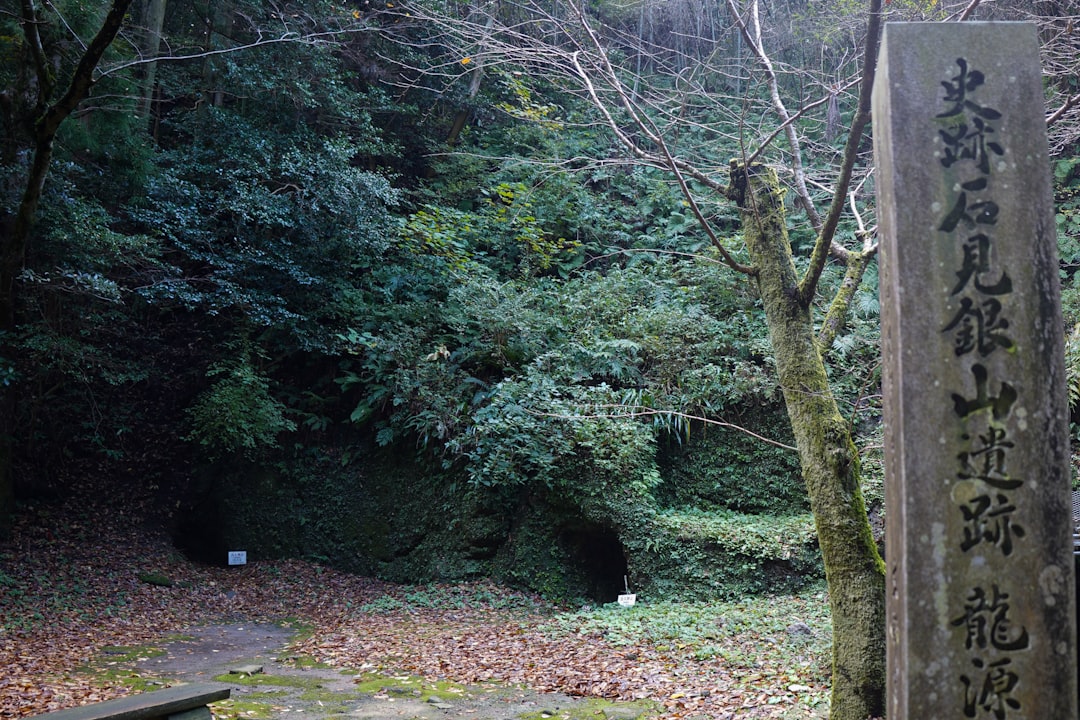

Photo by Yosuke Ota on Unsplash
Discovering Iwami Ginzan: Japan’s Hidden Silver Mountain
Tucked away in the quiet mountains of Shimane Prefecture, the Iwami Ginzan Silver Mine is one of Japan’s most fascinating yet lesser-visited UNESCO World Heritage Sites. Unlike the crowded temples of Kyoto or the neon streets of Tokyo, Iwami Ginzan offers a peaceful journey into Japan’s industrial and cultural past, where centuries-old mining tunnels, preserved merchant townscapes, and forested shrine paths tell the story of a mountain that once helped shape the global economy. This guide covers everything you need to know to plan a memorable visit to this remarkable site.
A Brief History of Iwami Ginzan
Silver was discovered at Iwami Ginzan in the early 16th century, and for the next four centuries, the mine became one of the largest silver-producing sites in the world. At its peak, it is believed to have supplied a significant portion of the world’s silver, fueling trade routes between Japan, China, and Europe. The silver mined here was used to mint coins, trade for goods, and even influence global silver markets during the Age of Exploration. Mining operations continued for hundreds of years until the mine was finally closed in the early 20th century, leaving behind a remarkably well-preserved landscape of tunnels, waste-rock piles, smelting sites, and the town that supported the workers and merchants.
Why Iwami Ginzan Became a UNESCO World Heritage Site
Iwami Ginzan was inscribed as a UNESCO World Heritage Site because it represents a rare example of a large-scale mining operation that coexisted with its natural environment. Unlike many industrial sites that scarred the landscape, the mining techniques used at Iwami Ginzan were relatively low-impact, and the surrounding forests were carefully managed and replanted. The site also illustrates the technological exchange between Japan and the rest of Asia, as mining and refining techniques evolved over the centuries. Today, the entire cultural landscape, including the mine itself, the Omori townscape, transportation routes, and port towns, is protected as part of the UNESCO designation.
Top Things to See and Do at Iwami Ginzan
Omori Townscape
The Omori district is the heart of the Iwami Ginzan Silver Mine site and one of the best-preserved Edo-period towns in Japan. Walking along its narrow main street, visitors can admire traditional wooden merchant houses, samurai residences, temples, and shrines that have been carefully maintained. Many of these buildings now house small museums, cafes, and craft shops, making it a delightful place to slow down and soak in the atmosphere. The town is best explored on foot or by rental bicycle, and it’s easy to spend half a day simply wandering its quiet lanes.
Ryugenji Mabu Mine Shaft
The Ryugenji Mabu is the only mine tunnel currently open to the public and offers a rare glimpse into the working conditions of Edo-period miners. The tunnel stretches roughly 600 meters into the mountain, though only a portion is accessible to visitors. Walking through the cool, dimly lit passage, you can see chisel marks left by hand-dug excavation, branching side tunnels, and informational panels explaining the mining process. It’s a humbling experience that highlights the sheer physical labor required to extract silver from the rock.
Sahimeyama Shrine
Dedicated to the guardian deity of the mine, Sahimeyama Shrine sits along the path leading toward the Ryugenji Mabu tunnel. Miners once prayed here for safety before entering the shafts, and the shrine remains a peaceful spot to pause and reflect on the spiritual significance the mountain held for the local community.
Rakan-ji Temple and the Five Hundred Rakan Statues
A short walk from the main townscape, Rakan-ji Temple houses an extraordinary collection of stone statues known as the Five Hundred Rakan, each carved with a unique facial expression. These statues were created to honor miners who lost their lives working in the dangerous tunnels. The temple’s serene setting, framed by moss-covered rock faces, makes it one of the most photogenic and moving spots in the entire Iwami Ginzan area.
Yunotsu Onsen
For travelers wanting to relax after a day of walking, the nearby hot spring town of Yunotsu Onsen offers traditional ryokan accommodations and public bathhouses fed by natural mineral-rich waters. Historically, this port town was also where silver was shipped out to the rest of Japan and beyond, adding another layer of historical significance to a soak in its therapeutic waters.
How to Get to Iwami Ginzan
Iwami Ginzan is located in a rural part of Shimane Prefecture, so reaching it requires some planning. The nearest major transport hub is JR Oda City Station, accessible by limited express trains from Izumo or Matsue. From Oda City Station, local buses run to the Iwami Ginzan World Heritage Center, which serves as the main entry point to the site. From there, visitors can walk, cycle, or take a shuttle bus into the Omori townscape and toward the mine tunnel entrance. Renting a car is another convenient option, especially for those combining the visit with other destinations in Shimane, such as Izumo Taisha Shrine or Matsue Castle.
Best Time to Visit
Iwami Ginzan is a wonderful year-round destination, each season offering a distinct atmosphere. Spring brings fresh greenery and mild temperatures ideal for walking, while autumn transforms the surrounding mountains with vibrant foliage that beautifully complements the historic townscape. Summer can be humid, so early morning visits are recommended, while winter offers a quiet, almost mystical experience with fewer crowds, though some facilities may have reduced hours. Regardless of season, comfortable walking shoes are essential, as much of the site involves walking on unpaved paths and gentle inclines.
Practical Tips for Visiting Iwami Ginzan
- Plan for at least half a day to a full day to properly explore the townscape, mine tunnel, and surrounding temples.
- Rental bicycles are available near the World Heritage Center and are a great way to cover the distance between attractions efficiently.
- Bring a light jacket even in warmer months, as the mine tunnel interior stays cool year-round.
- Many shops and museums in Omori close relatively early, so arriving by mid-morning is advisable.
- Combine your visit with a stay in Yunotsu Onsen for a relaxing end to your day of exploration.
- English signage is available at major sites, but a translation app can be helpful for smaller shops and restaurants.
Nearby Attractions Worth Combining
Since Iwami Ginzan is somewhat off the beaten path, many travelers combine it with other highlights of Shimane Prefecture. Izumo Taisha, one of Japan’s oldest and most important Shinto shrines, is within reach by car or train, as is the picturesque castle town of Matsue with its original wooden castle keep. Together, these destinations make for a rewarding multi-day itinerary that showcases a quieter, more historically rich side of Japan away from the typical tourist trail.
Final Thoughts
Iwami Ginzan Silver Mine offers a rare opportunity to step into a well-preserved chapter of Japanese history that once had global economic significance. From the atmospheric streets of Omori to the cool depths of the Ryugenji Mabu tunnel and the poignant Rakan statues, every corner of this UNESCO World Heritage Site tells a story worth discovering. For travelers seeking authentic, uncrowded destinations that reveal a deeper side of Japan, Iwami Ginzan is an essential addition to any Shimane Prefecture itinerary.