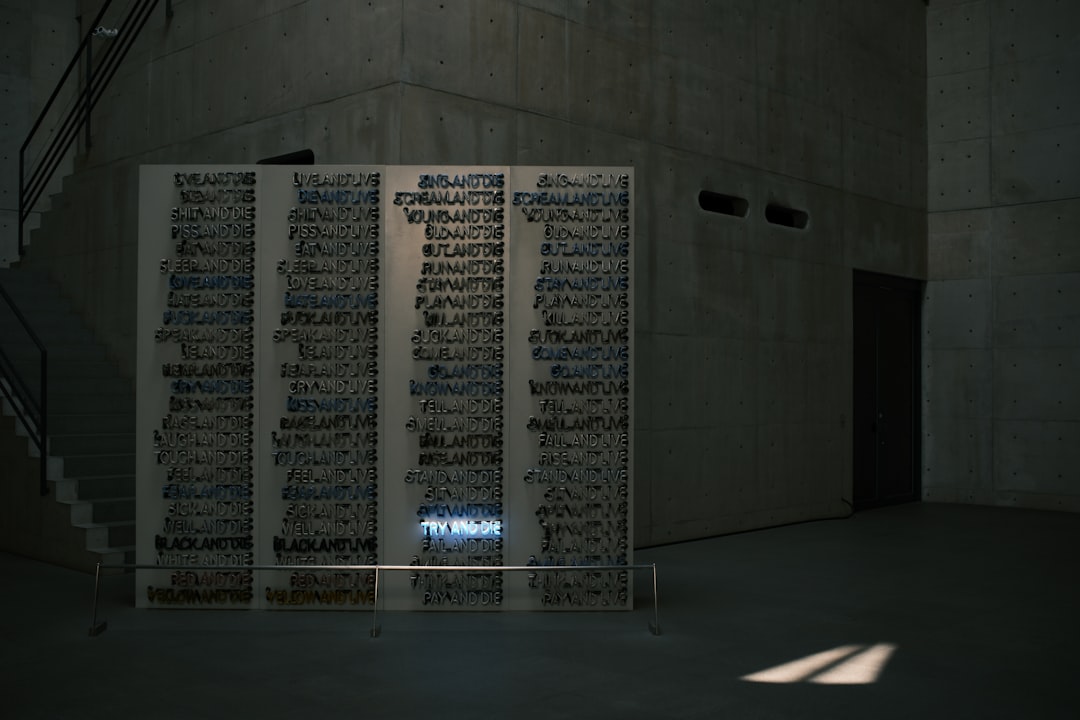

Photo by Alan Jiang on Unsplash
Why Naoshima Belongs on Every Japan Art Lover’s Itinerary
Tucked away in the Seto Inland Sea, Naoshima has transformed from a quiet fishing island into one of the world’s most celebrated contemporary art destinations. What began as a vision by the Benesse Holdings corporation decades ago has blossomed into an archipelago of museums, outdoor sculptures, and art-filled houses that draw travelers from across the globe. If you’re planning a trip to this remarkable island, this guide will walk you through everything you need to know, with a special focus on crafting the perfect Benesse Museum itinerary.
Naoshima isn’t just about looking at art in white-walled galleries. It’s about experiencing art integrated into the landscape, architecture, and daily rhythms of island life. Tadao Ando’s minimalist concrete structures rise from hillsides overlooking the sea, Yayoi Kusama’s iconic pumpkins sit on piers, and entire abandoned houses have been reimagined as immersive installations. This is slow travel at its finest, rewarding those who take their time.
Getting to Naoshima
Naoshima is most commonly reached via ferry from either Uno Port in Okayama Prefecture or Takamatsu Port in Kagawa Prefecture. The Uno-Naoshima route is shorter, taking around 20 minutes, while the Takamatsu route takes roughly an hour but offers scenic views of the Seto Inland Sea’s smaller islands along the way.
Most travelers arrive by train to Okayama Station first, then transfer to a local JR line to Uno Station, followed by a short walk to the ferry terminal. Alternatively, flying into Takamatsu Airport and taking a bus to Takamatsu Port is a convenient option for those coming from Tokyo or other major cities.
It’s worth noting that ferry schedules can be limited, especially in the off-season, so checking timetables in advance and planning your return journey is essential. Missing the last ferry back to the mainland is a common traveler mistake.
Getting Around the Island
Once you’ve arrived, renting a bicycle is by far the most popular and enjoyable way to explore Naoshima. Both regular and electric bicycles are available for rent near the ports, and e-bikes are highly recommended given the island’s hilly terrain, especially around the Benesse Art Site area.
For those who prefer not to cycle, a community bus loops around the island at regular intervals, connecting the main ports, villages, and museum areas. Taxis are limited, so don’t count on them as your primary mode of transport.
Building Your Benesse Museum Itinerary
Start with Benesse House Museum
The heart of Naoshima’s art scene is the Benesse House Museum, designed by architect Tadao Ando. This was the first major art institution built on the island, and it uniquely combines a museum with a hotel, allowing overnight guests to experience art around the clock. Even if you’re not staying at the hotel, the museum is open to day visitors and showcases an impressive collection of contemporary works by artists such as Jasper Johns, Bruce Nauman, and Yukinori Yanagi.
Give yourself at least two hours here, as the museum’s design encourages unhurried exploration. Ando’s architecture plays with natural light, concrete textures, and framed views of the sea, making the building itself as much a work of art as the pieces it houses.
Continue to Chichu Art Museum
A short walk or bicycle ride from Benesse House brings you to the Chichu Art Museum, arguably Naoshima’s most famous attraction. Built almost entirely underground to preserve the natural landscape, Chichu houses permanent installations by Claude Monet, Walter De Maria, and James Turrell.
Advance ticket reservations are strongly recommended for Chichu, as visitor numbers are capped daily to preserve the contemplative atmosphere. Plan to spend at least ninety minutes here, moving slowly through each room, as the museum is designed to be experienced with minimal distraction—there are no signs, brochures, or crowds rushing you along.
Visit the Lee Ufan Museum
Rounding out the Benesse Art Site trio is the Lee Ufan Museum, dedicated to the Korean-born artist’s minimalist sculptures and paintings that explore the relationship between natural materials and industrial objects. This museum is smaller and quieter than the other two, making it an excellent place to slow down and reflect before continuing your day.
Don’t Miss the Art House Project
Beyond the Benesse Art Site cluster, head to Honmura village for the Art House Project. Here, several traditional Japanese houses have been transformed into individual art installations, each with its own distinct character. Kadoya, Minamidera, and Kinza are among the standout houses, blending historical architecture with contemporary artistic vision.
Purchasing a combined ticket for the Art House Project is the most economical way to visit multiple houses, and exploring Honmura on foot or by bicycle gives you a wonderful sense of everyday island life alongside the art.
Sample One-Day and Two-Day Itineraries
One-Day Itinerary
- Morning: Arrive by ferry, rent a bicycle, head to Benesse House Museum
- Midday: Lunch at a café near the Benesse Art Site, then visit Chichu Art Museum
- Afternoon: Explore the Lee Ufan Museum
- Late afternoon: Cycle to Honmura for the Art House Project
- Evening: Catch the return ferry, stopping to photograph Kusama’s Yellow Pumpkin sculpture near the port
Two-Day Itinerary
For a more relaxed pace, consider staying overnight on the island, either at Benesse House itself or at one of the smaller guesthouses in Honmura. This allows you to spread out museum visits, enjoy the island’s quieter evening atmosphere, and add extra stops such as the Naoshima Bath “I Love Yu,” a functional public bathhouse that doubles as an art installation, or a day trip to nearby Teshima and Inujima islands, which are also part of the broader Setouchi art network.
Practical Tips for Visiting Naoshima
- Book Chichu Art Museum tickets online in advance, especially during weekends and holidays
- Wear comfortable shoes, as much of the island exploration involves walking and cycling on hilly terrain
- Check the operating days of each museum, as many close on Mondays
- Bring cash, as some smaller cafés and ticket counters may not accept credit cards
- Consider purchasing a multi-museum passport ticket to save money if visiting several sites
Where to Eat and Stay
Dining options on Naoshima range from stylish cafés near the Benesse Art Site to casual seafood restaurants in the main port town of Miyanoura. Local specialties include fresh seafood from the Seto Inland Sea, and several cafés offer beautifully presented set lunches that pair well with a day of museum-hopping.
Accommodation ranges from the luxury of Benesse House to budget-friendly guesthouses and minshuku scattered throughout Honmura and Miyanoura. Booking well in advance is wise, particularly during peak travel seasons, as Naoshima’s limited lodging fills up quickly.
Final Thoughts
A well-planned Naoshima itinerary centered around the Benesse Museum cluster offers one of the most rewarding cultural experiences in Japan. Whether you have a single day or a leisurely weekend, the combination of world-class architecture, thought-provoking installations, and the tranquil beauty of the Seto Inland Sea makes Naoshima an unforgettable stop on any Japan travel route. Take your time, embrace the slower pace, and let the island’s unique blend of art and nature leave a lasting impression.