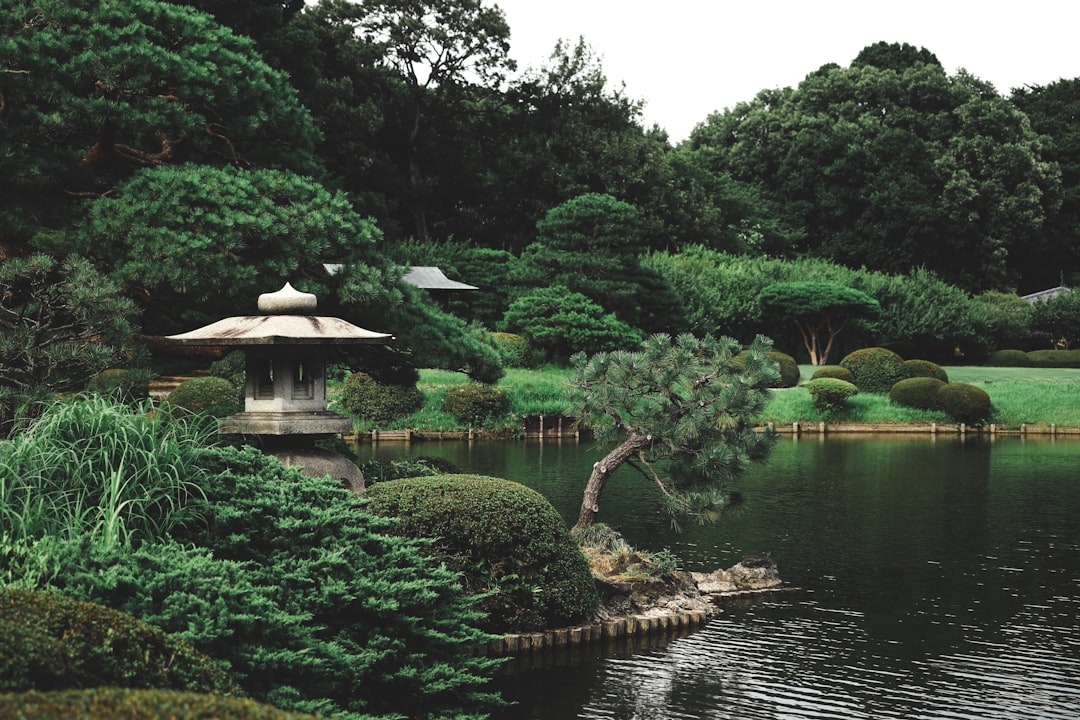

Photo by Thor Alvis on Unsplash
Why Kenrokuen Deserves a Spot on Your Japan Itinerary
Kenrokuen Garden in Kanazawa is consistently ranked among the three most beautiful landscape gardens in Japan, alongside Kairakuen in Mito and Korakuen in Okayama. Unlike many gardens that peak during a single season, Kenrokuen was designed to embody six essential attributes of a perfect garden: spaciousness, seclusion, artificiality, antiquity, water features, and panoramic views. This philosophy means the garden offers something remarkable no matter when you visit, making it a true evergreen destination for travelers exploring the Hokuriku region.
This guide breaks down exactly what to expect during each season, practical tips for timing your visit, and insider advice to help you experience Kenrokuen like a seasoned traveler rather than a rushed day-tripper.
Getting to Know Kenrokuen Garden
Built over nearly two centuries by the Maeda clan, the feudal lords who once ruled the Kaga domain, Kenrokuen was originally the outer garden of Kanazawa Castle. Today it spans over 11 hectares and features meandering streams, ponds, teahouses, stone lanterns, and meticulously pruned pine trees. The garden connects directly to Kanazawa Castle Park, making it easy to combine both attractions in a single visit.
Basic Visitor Information
- Kenrokuen is open year-round with extended hours during certain seasonal illumination events.
- Admission is charged for adults, while children and Kanazawa residents often receive discounts or free entry on specific days.
- The garden is a short walk from Kanazawa Station via the Kenrokuen Shuttle Bus or a scenic 25-minute stroll through the city center.
- Free guided tours in English are sometimes available near the main entrances, so check with the tourist information center upon arrival.
Spring: Cherry Blossoms and Fresh Greenery
Spring transforms Kenrokuen into a soft canvas of pink and white as cherry trees bloom throughout the grounds. Unlike crowded cherry blossom spots in Tokyo or Kyoto, Kenrokuen offers a more relaxed atmosphere, though it still attracts domestic tourists during peak bloom. The garden contains several cherry tree varieties, so the blossoming period tends to last longer than in gardens with a single variety.
Spring Visiting Tips
- Arrive within the first hour of opening to enjoy the blossoms with fewer crowds and better lighting for photography.
- Look for the iconic Kotoji-toro stone lantern near Kasumigaike Pond, which looks especially striking framed by cherry branches.
- Late spring brings vibrant fresh greenery, particularly among the maple trees, offering a quieter but equally photogenic alternative to peak bloom weeks.
Summer: Lush Greens and Cooling Water Features
Summer in Kanazawa can be warm and humid, but Kenrokuen remains pleasant thanks to its abundant shade trees and flowing water. The garden’s numerous streams, fed by a historic waterworks system originally built to supply water to Kanazawa Castle, create a naturally cooling effect as you wander the paths.
Summer Visiting Tips
- Visit early in the morning or later in the afternoon to avoid the midday heat and harsh sunlight.
- Bring a hat, water, and comfortable walking shoes, as the garden involves uneven stone paths and gentle slopes.
- Summer evenings occasionally feature special nighttime illumination events, allowing visitors to experience the garden’s water features and lanterns in a completely different atmosphere.
- The dense foliage of summer makes this an excellent season for capturing the contrast between deep greens and the garden’s traditional wooden structures.
Autumn: Fiery Foliage and Golden Light
Many seasoned travelers consider autumn the most spectacular time to visit Kenrokuen. The garden’s extensive collection of maple trees turns brilliant shades of red, orange, and gold, creating a dramatic contrast against the dark green pines that are famously supported by yukitsuri, the rope structures typically associated with winter.
Autumn Visiting Tips
- Peak foliage typically occurs in mid to late autumn, though exact timing shifts slightly each year depending on temperature patterns.
- The area around Kasumigaike Pond and Yamazaki-yama hill offers some of the most photogenic foliage views in the entire garden.
- Special autumn illumination events are held in the evenings during peak foliage weeks, allowing visitors to see the maples lit dramatically against the night sky.
- Weekday mornings remain the best window for avoiding tour groups, as autumn is an extremely popular season for domestic travel to Kanazawa.
Winter: Snow, Yukitsuri, and Quiet Beauty
Winter is when Kenrokuen truly distinguishes itself from other Japanese gardens. The elaborate yukitsuri rope systems, installed to protect pine tree branches from heavy snowfall, create a striking visual silhouette even before snow arrives. Once snow blankets the garden, the combination of white powder, dark pines, and cone-shaped rope supports becomes one of the most iconic images associated with Kanazawa.
Winter Visiting Tips
- Yukitsuri installation typically begins in early winter, so visitors can enjoy this unique feature even before snowfall.
- Snow itself is unpredictable in timing and amount, so travelers hoping to see snow-covered scenery should build flexibility into their itinerary.
- Winter offers the smallest crowds of any season, making it ideal for travelers who prioritize a peaceful, contemplative visit.
- Dress warmly in layers and wear shoes with good grip, as garden paths can become slippery after snowfall.
- Certain sections of the garden may have limited access during heavy snow for safety reasons, so check current conditions at the entrance.
General Tips for Every Season
Best Times of Day
Regardless of season, visiting Kenrokuen right at opening time offers the best combination of soft natural light, fewer visitors, and cooler temperatures. Late afternoon before closing is the second-best window, particularly for photographers chasing golden hour lighting.
Combining Kenrokuen With Nearby Attractions
- Kanazawa Castle Park sits directly adjacent to the garden and makes a natural extension of your visit.
- The Kanazawa Higashi Chaya District, a preserved geisha entertainment quarter, is a short bus ride away and pairs well with a half-day itinerary.
- The 21st Century Museum of Contemporary Art is within walking distance and offers a modern contrast to the traditional garden experience.
Photography Tips
- The Kotoji-toro lantern beside Kasumigaike Pond is the most photographed spot in the garden across all seasons.
- Early morning mist occasionally settles over the ponds, creating atmospheric photo opportunities, particularly in autumn and winter.
- Tripods are generally discouraged during busy hours, so plan around quieter time slots if you need stabilized shots.
Practical Logistics
- Comfortable, non-slip footwear is recommended year-round due to gravel paths, stone steps, and occasional wet surfaces.
- Restrooms and rest areas are available at multiple points throughout the garden.
- A combined ticket covering both Kenrokuen and Kanazawa Castle Park is often available and provides good value for visitors planning to see both sites.
- Coin lockers near the main entrances are useful for storing luggage if you are visiting directly from Kanazawa Station.
Final Thoughts on Planning Your Visit
Kenrokuen Garden rewards visitors who take their time rather than rushing through on a tight schedule. Because the garden was intentionally designed to showcase different qualities throughout the year, there is genuinely no wrong season to visit. Spring brings soft blossoms, summer offers cooling greenery, autumn delivers dramatic color, and winter reveals a quiet, sculptural beauty found nowhere else. Whichever season aligns with your travel plans, arriving early, wearing comfortable shoes, and allowing at least ninety minutes to explore at a relaxed pace will help you fully appreciate why this garden has captivated visitors for generations.