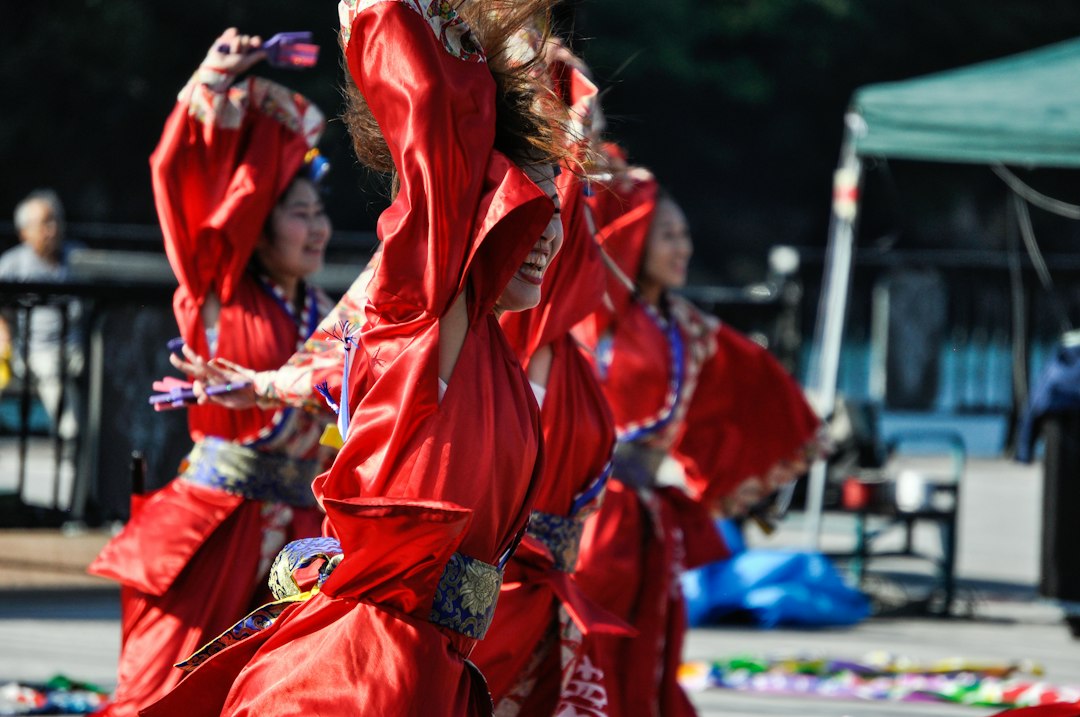
What Is Nagasaki Kunchi?
Nagasaki Kunchi is one of Japan’s most spectacular and historically significant autumn festivals, held annually at Suwa Shrine in Nagasaki City. Designated an Important Intangible Folk Cultural Property, this festival is a dazzling blend of Japanese, Chinese, and Dutch influences that reflects Nagasaki’s unique history as Japan’s gateway to the world during the centuries of national isolation. Unlike many traditional Japanese festivals that feel purely domestic, Kunchi has an unmistakably international flavor, with dragon dances, Chinese-style ships, and exotic costumes that reveal the city’s cosmopolitan past.
The History Behind the Festival
The origins of Nagasaki Kunchi trace back to the early Edo period, when two shrine maidens performed dances dedicated to Suwa Shrine as an offering of gratitude and prayer for the prosperity of the city. Over time, the festival evolved into a grand showcase sponsored by Nagasaki’s various townships, each taking turns to present elaborate performances. Because Nagasaki was one of the few places where foreign trade was permitted during the Edo era, the festival absorbed strong Chinese and Dutch elements, giving it a distinctive character unlike any other matsuri in Japan. This fusion of cultures is what makes Nagasaki Kunchi such a compelling destination for travelers interested in Japan’s layered history.
Why the Name ‘Kunchi’?
The word ‘Kunchi’ is believed to derive from ‘kunichi,’ meaning the ninth day, referencing the traditional date of the festival in the old lunar calendar. While the modern festival now runs over several days in autumn, the name has stuck as a nod to its deep historical roots.
What to Expect: Festival Highlights
Nagasaki Kunchi is best known for its dynamic, theatrical performances called ‘odori-cho,’ presented by representative neighborhoods on a rotating schedule. Because not every neighborhood performs every year, each edition of the festival offers a slightly different lineup, making it rewarding to attend more than once if your travel schedule allows.
- Dragon Dance (Ja-odori): Perhaps the most iconic performance, featuring a long, sinuous dragon puppet manipulated by a team of performers who make it appear to swim through the air with lifelike grace.
- Dutch Ship Float (Oranda-sen): A nod to Nagasaki’s history with Dutch traders, this elaborate float is paraded through the streets by energetic teams.
- Chinese Ship Float (Tosen): Representing the city’s long relationship with Chinese merchants, this float is often accompanied by vibrant music and dramatic spinning movements.
- Shishimai (Lion Dance): A traditional performance believed to ward off evil spirits and bring good fortune.
- Kokkodesho: A thrilling float-tossing performance where teams throw and catch a heavy portable shrine in rhythmic unison, drawing roars of excitement from the crowd.
Performances take place at several key venues throughout the city, including Suwa Shrine, Otabisho, and the Nagasaki Public Hall. Many visitors choose to secure seats at multiple venues to catch different acts, as the atmosphere varies slightly between each location.
When Does Nagasaki Kunchi Take Place?
The festival is held every year in early autumn, typically spanning three consecutive days in early October. This timing coincides with pleasant, mild weather in Kyushu, making it a comfortable season for walking around the city and enjoying outdoor performances. Because exact dates can shift slightly year to year, it’s wise to check official Nagasaki tourism resources closer to your travel dates for the current schedule.
Tips for Visiting Nagasaki Kunchi
1. Book Accommodation Early
Nagasaki Kunchi draws large crowds from across Japan and abroad, so hotels near the city center and Suwa Shrine fill up quickly. Booking several months in advance is strongly recommended, especially if you want to stay within walking distance of the main festival venues.
2. Consider Reserved Seating
While some viewing areas are free and open to the public, reserved seats are available for purchase at major venues like Suwa Shrine and the Public Hall. These seats offer a guaranteed view and are particularly valuable given how densely crowded the free viewing spots can become.
3. Arrive Early for Free Viewing Spots
If you plan to watch from a free area, arrive at least an hour before performances begin. Popular corners near Suwa Shrine’s stone steps and the main street routes fill up fast, especially during the dragon dance and float performances.
4. Explore Nagasaki Beyond the Festival
Since you’re already in the city, take time to explore Nagasaki’s other attractions, which pair beautifully with the autumn festival atmosphere. Glover Garden, the Dutch Slope, Dejima, and the Nagasaki Peace Park offer deeper insight into the city’s unique cultural blend and modern history.
5. Sample Local Autumn Cuisine
Nagasaki’s food scene shines in autumn. Don’t miss champon noodles, castella cake, and fresh seafood, which pair perfectly with a day of festival watching. Many food stalls pop up around festival venues, offering a convenient way to refuel between performances.
Getting to Nagasaki
Nagasaki is accessible by air via Nagasaki Airport, with connections to major Japanese cities, or by train via the Kyushu Shinkansen network connecting to Hakata Station in Fukuoka, followed by a limited express or shinkansen extension into Nagasaki. Once in the city, the compact tram network makes it easy to reach Suwa Shrine and other festival venues without needing a car.
Why Nagasaki Kunchi Deserves a Spot on Your Itinerary
For travelers seeking something beyond the typical cherry blossom or snow festival experience, Nagasaki Kunchi offers a rare glimpse into Japan’s multicultural history through dazzling performance art. Its blend of Chinese dragon dances, Dutch-inspired floats, and distinctly Japanese shrine traditions makes it unlike any other autumn festival in the country. Whether you’re a history enthusiast, a photography lover, or simply looking for an unforgettable cultural experience, Nagasaki Kunchi delivers a vibrant, multisensory celebration that captures the spirit of this remarkable port city.
Final Thoughts
Planning a trip around Nagasaki Kunchi rewards travelers with an authentic, deeply rooted cultural experience that showcases Japan’s historical connections to the wider world. With careful planning around accommodation, seating, and city exploration, your visit to this autumn festival can become one of the highlights of your Japan travel memories.
Photo by Priscilla Du Preez 🇨🇦 on Unsplash