Discovering Awaji Island: Japan’s Seaside Secret
Nestled between Honshu and Shikoku in the Seto Inland Sea, Awaji Island remains one of Japan’s most rewarding yet overlooked destinations. Known in Japanese mythology as the very first land created by the gods, this coastal paradise offers dramatic cliffside views, fresh seafood markets, onsen towns, and a laid-back island rhythm that feels worlds away from Tokyo or Osaka’s bustle. This guide covers everything you need to plan a memorable trip to Awaji Island’s charming coastal towns.
How to Get to Awaji Island
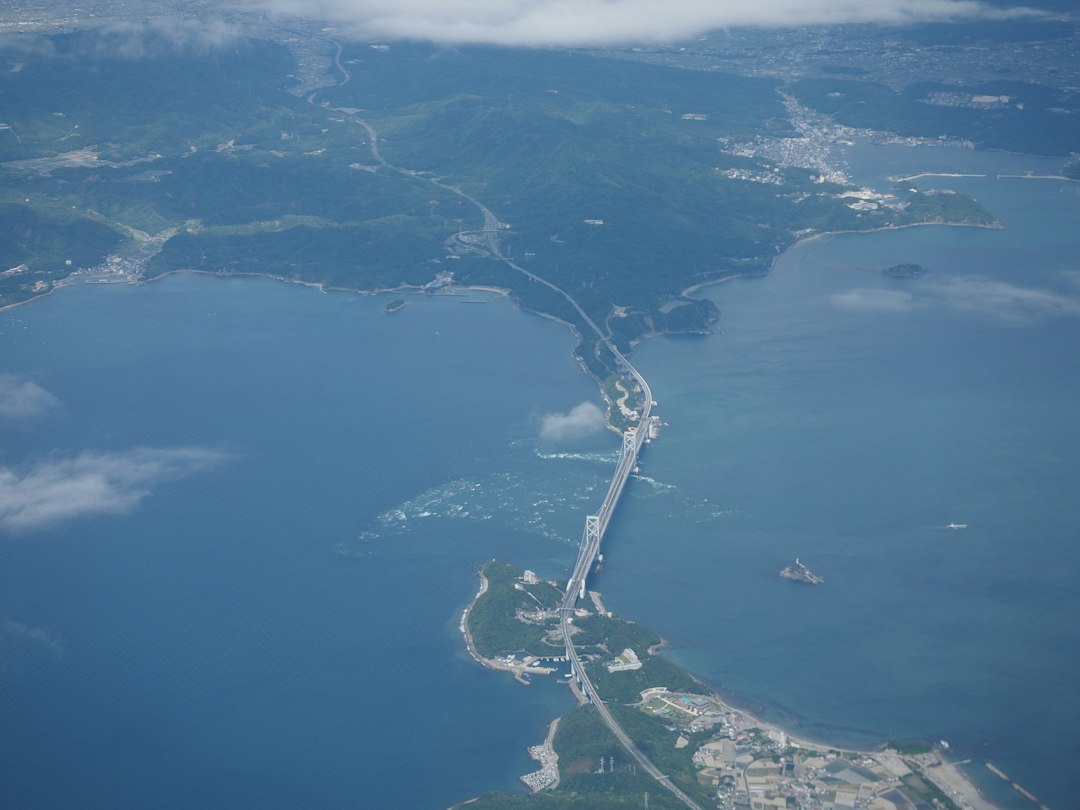
Awaji Island is remarkably accessible despite its tranquil atmosphere. Most travelers arrive via the Akashi Kaikyo Bridge, one of the longest suspension bridges in the world, connecting Kobe to the island by highway bus or car. Direct buses run frequently from Kobe Sannomiya Station and Osaka’s Umeda district, making day trips or overnight stays easy to arrange. If you’re driving, renting a car gives you the freedom to explore the island’s winding coastal roads at your own pace, which is highly recommended given the scattered nature of its best attractions.
Sumoto: The Heart of Awaji’s Coastal Charm
Sumoto is Awaji Island’s largest town and an excellent base for exploring the region. This historic port town features a preserved merchant quarter with Edo-period buildings, narrow lanes perfect for leisurely strolls, and a lively morning market where locals sell fresh produce and seafood. Climb up to Sumoto Castle ruins for panoramic views over the town and the sparkling waters of the Kii Channel. In the evening, the harbor area transforms with illuminated walkways and seaside restaurants serving the day’s catch.
Things to Do in Sumoto
- Explore the Edo-period townscape near Sumoto Hachiman Shrine
- Visit the ruins of Sumoto Castle for sunset views
- Stroll through the retro shopping arcade for local snacks and souvenirs
- Relax at a seaside onsen with ocean views
Fresh Seafood and Awaji’s Culinary Specialties
Awaji Island is synonymous with exceptional seafood, particularly its famous Awaji beef, onions, and tai (sea bream). The island’s onions are so prized they’re often eaten raw as a delicacy, and you’ll find them incorporated into everything from salads to tempura. Coastal towns host bustling fish markets where you can sample sashimi, grilled fish, and shellfish harvested that same morning. Don’t miss trying Awaji’s version of somen noodles, a refreshing summer dish, or sampling local sake brewed with mineral-rich island water. Many small family-run restaurants along the coast offer set menus showcasing the island’s bounty at reasonable prices.
Naruto Whirlpools: A Natural Spectacle
At the southern tip of Awaji Island, the Naruto Strait creates one of the world’s most powerful tidal whirlpools. Sightseeing boats depart regularly from Fukura Port, allowing visitors to get remarkably close to these swirling masses of water. The Uzu-no-Michi walkway, suspended above the strait, offers a glass-floored viewing platform where you can watch the whirlpools form directly beneath your feet. Timing your visit around peak tidal movements, which vary daily, will reward you with the most dramatic displays.
Awaji Yumebutai and Nojima Fault
History and design enthusiasts will appreciate Awaji Yumebutai, an architectural complex designed by renowned architect Tadao Ando. This terraced garden and conference facility blends concrete modernism with lush greenery, offering serene walking paths and ocean vistas. Nearby, the Nojima Fault Preservation Museum lets visitors explore the fault line responsible for the Great Hanshin Earthquake, providing a sobering yet fascinating look at Japan’s seismic history and resilience.
Coastal Towns Worth Exploring
Iwaya: Gateway Town
Located near the Akashi Kaikyo Bridge, Iwaya serves as many visitors’ first stop on the island. This small port town offers access to the Awaji Service Area, famous for its Ferris wheel and bridge-top photo opportunities, along with fresh fish stalls selling the morning’s catch directly to visitors.
Fukura: Gateway to the Whirlpools
This southern coastal town is the launching point for whirlpool-viewing boats and features charming fishing harbor scenery, seafood restaurants, and easy access to the Uzu-no-Michi walkway.
Goshiki-hama Beach
Named for its five-colored pebbles, this unique beach on the island’s western coast offers stunning sunset views over the Seto Inland Sea. It’s an ideal spot for a relaxing afternoon away from crowds, with nearby cafes serving shaved ice and cold drinks during warmer months.
Where to Stay on Awaji Island
Accommodation options range from traditional ryokan inns with ocean-view onsen baths to modern resort hotels equipped with spa facilities. Sumoto offers the widest variety of lodging, from budget guesthouses to upscale hot spring resorts. For a more immersive experience, consider staying in a coastal minshuku (family-run inn) where hosts often serve home-cooked meals featuring local seafood and vegetables. Booking in advance is wise during peak travel seasons, as rooms with sea views fill quickly.
Best Time to Visit Awaji Island
Awaji Island rewards visitors throughout the year. Spring brings mild temperatures and blooming flowers at Awaji Yumebutai’s gardens, while summer offers beach access and vibrant local festivals. Autumn provides comfortable hiking weather and beautiful foliage in inland areas, and winter’s clear skies offer crisp views across the Seto Inland Sea, along with fewer crowds at major attractions. Each season brings its own seafood specialties too, so timing your visit around culinary interests can enhance the experience.
Getting Around Awaji Island
While local buses connect major towns, they run infrequently, making a rental car the most practical option for exploring at your own pace. Cycling has also grown popular, with dedicated paths circling parts of the island offering cyclists stunning coastal panoramas. If you prefer not to drive, consider booking a guided tour that bundles transportation with visits to key sites like the whirlpools and Yumebutai.
Final Thoughts
Awaji Island offers a compelling blend of natural wonder, culinary delight, and small-town charm that rewards travelers seeking an authentic slice of coastal Japan. Whether you’re drawn by the thunderous whirlpools of Naruto, the architectural beauty of Yumebutai, or simply the pleasure of eating fresh seafood while watching fishing boats return to harbor, Awaji’s coastal towns deliver an unforgettable Japanese seaside experience that’s refreshingly free of crowds. Plan a few days here, and you’ll understand why locals consider this island a timeless treasure in the heart of the Seto Inland Sea.
Photo by Bobby Youstra on Unsplash