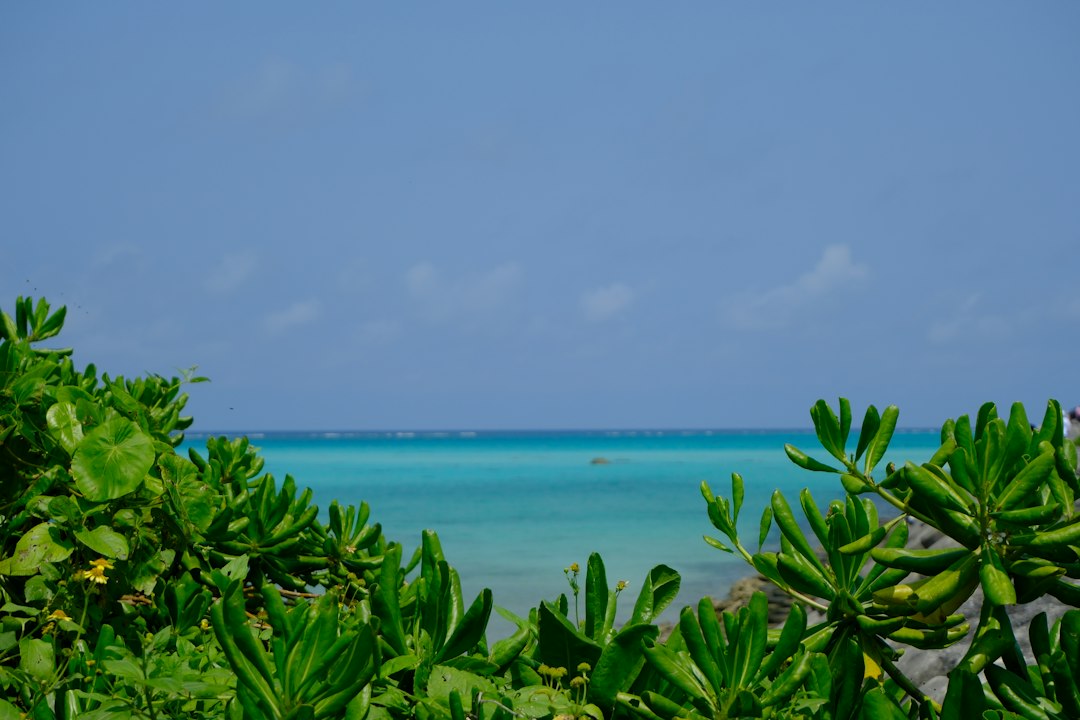
Why Miyakojima Should Be Your Next Beach Escape
Tucked away in the Okinawa Prefecture, roughly between the main Okinawan island and Taiwan, Miyakojima is one of Japan’s best-kept secrets. This small island is famous for having some of the clearest turquoise waters in the world, powder-soft white sand beaches, and a laid-back pace of life that feels worlds away from Tokyo’s neon bustle. Unlike many tropical destinations, Miyakojima offers the comfort and convenience of Japanese infrastructure combined with a genuinely Pacific-island atmosphere. Whether you’re planning a honeymoon, a solo reset, or a family holiday, this guide will help you make the most of your Miyakojima beach getaway.
Getting to Miyakojima
Miyakojima Airport is well connected with direct flights from Tokyo (Haneda and Narita), Osaka, and Naha on Okinawa’s main island. Flight time from Naha is around 45 minutes, making it an easy add-on to a broader Okinawa itinerary. There are no trains on the island, so renting a car is highly recommended for exploring the beaches and nearby bridges at your own pace. Car rental counters are located right at the airport, and driving is relatively stress-free thanks to light traffic and well-marked roads.
Best Beaches in Miyakojima
Yoshino Beach
Famous among snorkelers, Yoshino Beach boasts an extensive coral reef just offshore, teeming with colorful tropical fish. The water is calm and shallow near the shore, making it suitable for beginners, while more experienced snorkelers can venture further out to see larger coral formations.
Maehama Beach
Often ranked among the most beautiful beaches in Asia, Maehama Beach stretches for about seven kilometers along the southwestern coast. Its powdery white sand and gently sloping, crystal-clear water make it ideal for swimming, sunbathing, and photography. The beach connects to Kurima Island via a scenic bridge, so you can combine a beach day with island hopping.
Sunayama Beach
Accessible via a short walk through a sand dune and pine forest, Sunayama Beach is known for its dramatic arch-shaped rock formation rising out of the sea. It’s one of the most photographed spots on the island, especially at sunset.
Painagama Beach
Located close to the main town of Hirara, Painagama Beach is convenient for travelers without a car and offers calm waters perfect for a relaxing swim after a day of sightseeing.
Island Hopping via the Famous Bridges
One of Miyakojima’s standout features is its network of long bridges connecting smaller satellite islands, allowing for spectacular scenic drives with the ocean on both sides.
- Irabu Bridge: One of Japan’s longest toll-free bridges, connecting Miyakojima to Irabu Island. The drive offers sweeping views of gradient blue waters.
- Kurima Bridge: Connects Miyakojima to Kurima Island, passing directly beside Maehama Beach.
- Ikema Bridge: Leads to Ikema Island, known for the dramatic cliffside viewpoint at Nishihenna-zaki.
Renting a car for at least two days allows you to comfortably explore these bridges and the smaller islands they connect, each with their own quiet beaches and viewpoints.
Snorkeling and Diving
Miyakojima’s surrounding waters are part of a protected marine ecosystem with some of the best visibility in Japan, often exceeding 20 meters. Popular diving and snorkeling spots include the underwater caves near Shimajiri, where sunlight filters through natural rock openings, and Painagama Beach’s shallow reefs for beginners. Many local tour operators offer half-day and full-day boat excursions that include equipment rental, making it easy for first-timers to join. Sea turtle encounters are common, and the island’s marine life ranges from parrotfish to small reef sharks in deeper waters.
Where to Stay
Accommodation on Miyakojima ranges from simple guesthouses to resort hotels overlooking the ocean. For travelers prioritizing beach access, look for hotels along the Maehama or Yonaha Maehama coastlines, which offer direct beach frontage and sunset views. Central Hirara town has a wider variety of budget guesthouses and is convenient for those relying on taxis or buses rather than a rental car. Many resorts offer half-board options featuring fresh Okinawan cuisine, including local specialties like goya champuru and seasonal tropical fruit.
Local Food to Try
Miyakojima’s food culture reflects its subtropical climate and fishing traditions. Don’t miss trying fresh mango and passion fruit in season, Miyako soba (a regional noodle dish distinct from mainland soba), and fresh seafood donburi bowls featuring the day’s catch. The island is also known for its craft shochu distilleries, producing smooth, aromatic spirits made from local sugarcane, which pair wonderfully with a sunset view over the ocean.
Best Time to Visit
Miyakojima enjoys a subtropical climate, making it a viable beach destination for much of the year. The warmest and most popular months for swimming fall between late spring and early autumn, when water temperatures are most comfortable. Shoulder seasons offer milder weather, fewer crowds, and often better hotel rates, while still allowing for pleasant beach walks and sightseeing. It’s worth checking typhoon season patterns when planning, as occasional storms can affect travel during the late summer months, though they typically pass quickly.
Practical Tips for Your Trip
- Rent a car early, especially during peak travel periods, as availability on the island is limited.
- Bring reef-safe sunscreen to help protect the coral ecosystems that make the beaches so stunning.
- Cash is still preferred at many smaller restaurants and guesthouses, so carry enough yen for daily expenses.
- Pack light, breathable clothing along with a light rain jacket, as tropical showers can appear suddenly.
- Respect local customs by rinsing off sand and saltwater before entering shops, restaurants, and accommodations.
Final Thoughts
Miyakojima offers a rare combination of pristine natural beauty, excellent infrastructure, and a relaxed island atmosphere that makes it an ideal escape for travelers seeking Japan’s tropical side. From snorkeling over vibrant coral reefs to driving across dramatic ocean bridges and savoring fresh Okinawan cuisine, this island rewards those willing to venture beyond the typical Japan itinerary. Plan a few unhurried days here, and you’ll likely leave already dreaming of your return trip.
Photo by Roméo A. on Unsplash