Few experiences reveal the soul of Japan quite like witnessing Oshogatsu, the Japanese New Year. Unlike the fireworks-and-countdown parties common in the West, Japanese New Year traditions are steeped in quiet reflection, family bonding, and centuries-old Shinto and Buddhist customs. If you’re planning a winter trip to Japan around the New Year holiday, understanding these rituals will transform your visit from sightseeing into genuine cultural immersion.
Understanding Oshogatsu: Japan’s Most Important Holiday
For Japanese families, New Year is the single most significant holiday of the year, often compared to how Christmas is celebrated in Western countries. Businesses close for several days (typically January 1st through 3rd), trains run on holiday schedules, and cities empty out as residents travel home to spend time with relatives. This makes the season both magical and logistically tricky for travelers, so a little preparation goes a long way.
Preparations Before New Year’s Eve
Long before the calendar turns, Japanese households engage in a flurry of purifying and decorating activities meant to welcome the toshigami, the New Year deity, into a clean and auspicious home.
- Osoji (Big Cleaning): Similar to spring cleaning, this thorough house-cleaning ritual clears away the old year’s grime and bad luck.
- Kadomatsu: Decorative arrangements of pine, bamboo, and plum branches placed outside entrances to invite ancestral spirits.
- Shimenawa: Sacred straw ropes hung on doors to ward off evil spirits, often seen at shrines year-round but especially prominent in winter.
- Kagami Mochi: Two stacked rice cakes topped with a small orange (daidai), symbolizing continuity and family prosperity.
- Nengajo: New Year’s postcards sent to friends, family, and colleagues, delivered precisely on January 1st by Japan Post.
Travelers visiting in mid-to-late December will notice these decorations appearing in shopping streets, hotel lobbies, and train stations, adding a festive winter atmosphere alongside the illumination displays that light up major cities.
New Year’s Eve: Toshikoshi Soba and the Ringing of 108 Bells
On December 31st, families gather to eat toshikoshi soba, or “year-crossing noodles.” The long buckwheat noodles symbolize longevity and are eaten as a way to cut ties with the year’s hardships. Many visitors enjoy trying this dish at a local izakaya or soba shop for an authentic seasonal experience.
As midnight approaches, Buddhist temples across the country perform Joya no Kane, ringing their bells 108 times to symbolize the purification of 108 worldly desires described in Buddhist teaching. Temples like Chion-in in Kyoto and Zojoji in Tokyo allow visitors to watch or even participate in the bell-ringing, though space is limited and arriving early is essential.
Hatsumode: The First Shrine Visit of the Year
Perhaps the most iconic New Year tradition is hatsumode, the first shrine or temple visit of the year. Millions of people flock to shrines like Meiji Jingu in Tokyo, Fushimi Inari Taisha in Kyoto, and Sumiyoshi Taisha in Osaka within the first few days of January to pray for health, happiness, and good fortune.
Crowd Avoidance Tips for Hatsumode
- Visit smaller neighborhood shrines instead of famous mega-shrines to avoid multi-hour queues.
- If you want to experience a famous shrine, go very early in the morning (before 7am) or later in the evening rather than on January 1st itself.
- Consider visiting between January 4th and 7th, when crowds thin but the New Year atmosphere and decorations remain.
- Purchase omamori (lucky charms) and omikuji (fortune slips) as souvenirs of your visit.
Osechi Ryori: The Edible Symbolism of New Year
Osechi ryori is an elaborate multi-tiered lacquer box of preserved foods, each ingredient chosen for its symbolic meaning. Black soybeans (kuromame) represent health, herring roe (kazunoko) symbolizes fertility, and rolled kelp (kobumaki) sounds like the word for joy. Traditionally, osechi is prepared in advance so families can rest from cooking during the first days of January. Department stores and convenience stores sell pre-made osechi sets, and many ryokan and hotels offer New Year kaiseki dinners featuring these dishes, making it easy for travelers to sample this culinary tradition.
Otoshidama: New Year’s Gift Money
Children eagerly anticipate otoshidama, small decorated envelopes containing money given by parents, grandparents, and relatives. While travelers won’t participate directly, you may notice these colorful envelopes for sale in stationery shops and department stores, a charming seasonal detail worth photographing.
Fukubukuro: The New Year Shopping Tradition
From January 1st, department stores and shops release fukubukuro, or “lucky bags,” filled with mystery items worth more than the bag’s price. Shoppers line up before dawn outside stores like Takashimaya and Isetan for a chance to grab bargain-filled bags from favorite brands. If shopping is on your winter itinerary, joining a fukubukuro queue is a fun, uniquely Japanese New Year activity.
Practical Winter Travel Tips for Experiencing Japanese New Year
Traveling to Japan during the New Year period requires some extra planning:
- Book accommodations early: Hotels and ryokan fill up months in advance for the New Year period, especially in Tokyo, Kyoto, and popular hot spring towns.
- Expect closures: Many restaurants, shops, and museums close from January 1st to 3rd. Convenience stores and major tourist attractions typically remain open, but always check ahead.
- Dress for cold weather: Pack thermal layers, a heavy coat, gloves, and waterproof boots, especially if visiting northern regions or snow country like Hokkaido and the Japan Alps. Shrines and temples involve long outdoor waits, so hand warmers (kairo) are invaluable and sold at every convenience store.
- Transportation changes: Trains and buses run on reduced holiday schedules, and the Shinkansen can be heavily booked. Reserve seats in advance if traveling between December 28th and January 4th.
- Warm up with kotatsu culture: Many ryokan and traditional cafes offer kotatsu, heated tables covered with blankets, perfect for warming up after a day of winter sightseeing.
Best Places to Experience Japanese New Year Traditions
Tokyo offers Meiji Jingu for hatsumode and dazzling winter illumination displays in Roppongi and Marunouchi. Kyoto provides a more traditional atmosphere with temple bell-ringing ceremonies and historic shrines like Yasaka and Fushimi Inari. For a snowier, more atmospheric New Year, consider Hokkaido or the Japan Alps, where hot spring towns like Nozawa Onsen combine New Year customs with world-class snow scenery.
Final Thoughts
Understanding how Japanese celebrate New Year adds tremendous depth to a winter visit, transforming ordinary sightseeing into a meaningful cultural journey. From the symbolic foods of osechi to the crowded serenity of hatsumode, these traditions offer travelers a rare glimpse into the values Japanese people hold dear: renewal, gratitude, and family connection. With a bit of planning around crowds, closures, and cold weather, your New Year trip to Japan can become an unforgettable seasonal highlight.
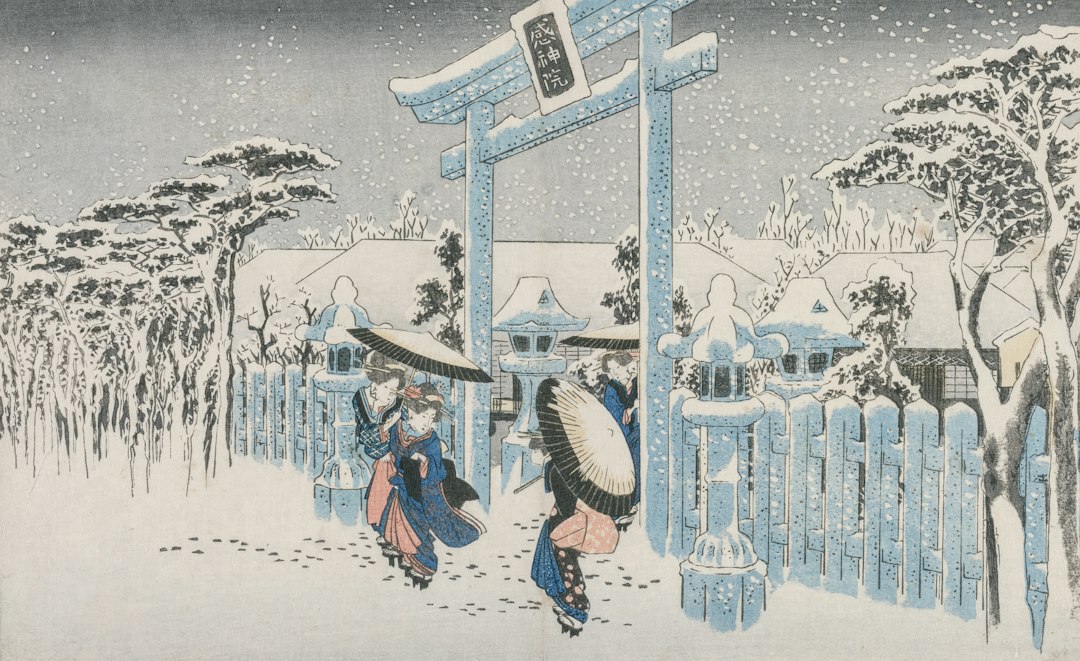
Photo by The Cleveland Museum of Art on Unsplash