Why Mount Takao Is Tokyo’s Favorite Escape
Just an hour from the heart of Shinjuku, Mount Takao (Takaosan) rises 599 meters above the western edge of Tokyo, offering hikers, families, and casual sightseers a refreshing break from the city without ever leaving the metropolitan area. Designated a UNESCO Biosphere Reserve and famous for being one of the most visited mountains in the world, Takao combines forest trails, a historic Buddhist temple, panoramic views of Mount Fuji on clear days, and some of the best soba noodles in the Kanto region. Whether you’re a seasoned hiker or someone looking for a relaxed nature walk, Mount Takao delivers a satisfying day trip that requires zero advance planning or overnight stays.
How to Get to Mount Takao from Tokyo
Reaching Mount Takao is remarkably simple thanks to Tokyo’s efficient rail network. The most popular route is taking the Keio Line directly from Shinjuku Station to Takaosanguchi Station, the terminus closest to the mountain’s base. The journey takes approximately 50 minutes on a limited express train, and a one-way ticket costs a few hundred yen, making it one of the most affordable nature excursions near the city.
Alternatively, travelers with a JR Pass or those starting from central Tokyo stations like Tokyo Station or Shinjuku can take the JR Chuo Line to Takao Station, then transfer to the Keio Line for one stop to Takaosanguchi. Either way, no reservations are needed, and trains run frequently throughout the day, so you can head out whenever you’re ready in the morning.
Best Time to Depart
To make the most of your day, aim to leave Tokyo by 8:00 or 9:00 AM. This allows ample time to hike, explore the summit area, visit the temple, and enjoy a relaxed lunch before heading back in the afternoon. Arriving early also means fewer crowds on the most popular trails, especially during cherry blossom season and autumn foliage weekends when Takao becomes extremely popular with both locals and tourists.
Choosing Your Trail: Six Options for Every Fitness Level
One of Mount Takao’s greatest strengths is its variety of hiking trails, numbered one through six, each offering a different experience in terms of difficulty, scenery, and crowd levels.
- Trail 1 (Omotesando Course): The main paved route, home to Yakuoin Temple and the cable car and chairlift stations. Great for beginners and families, though it can get crowded.
- Trail 6 (Biwa Falls Course): A scenic route following a stream through the forest, passing a small waterfall. Moderately challenging with some narrow sections.
- Inariyama Trail: A quieter alternative with fewer hikers, offering good views and a more natural forest atmosphere.
- Trail 3 and 4: Nature-focused paths that wind through dense woodland, ideal for those wanting to avoid the main crowds while still reaching the summit area.
Most trails take between 60 and 100 minutes one way, and many hikers mix routes, going up one way and down another to experience different scenery. Signage is available in English, and the paths are generally well-maintained, making Takao accessible even for those without serious hiking experience.
Cable Car and Chairlift: The Easy Option
If you’d rather skip the uphill climb or are traveling with young children or elderly family members, the Takao Tozan Railway operates both a cable car and an open-air chairlift from the base to the midway station. The cable car is Japan’s steepest at certain sections and offers quick, scenic transport, while the chairlift provides a slower, more immersive ride through the treetops. From the midway point, it’s still roughly a 20 to 40 minute walk to the summit, but the climb is significantly shorter and easier than tackling the entire mountain on foot.
Yakuoin Temple: A Spiritual Highlight
Partway up Trail 1 sits Yakuoin Temple, a centuries-old Buddhist temple dedicated to the fire deity Izuna Gongen. The temple grounds are dotted with statues of tengu, the long-nosed mythical creatures believed to protect the mountain, along with vibrant red gates, incense burners, and peaceful courtyards. Even visitors not continuing to the summit often find the temple itself worth the trip, offering a quiet contrast to the bustling streets of central Tokyo. Take time to explore the various halls and enjoy the forested setting that surrounds the complex.
The Summit: Views and Photo Opportunities
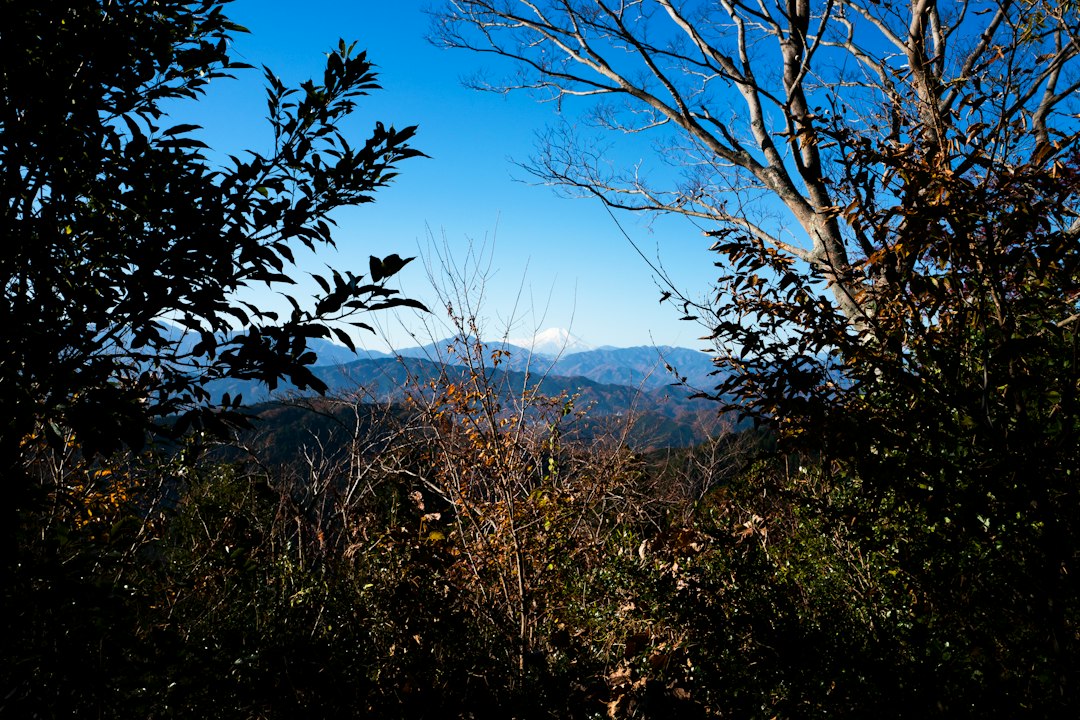
Reaching the summit rewards hikers with sweeping views over the Kanto Plain, and on clear winter mornings, an unobstructed view of Mount Fuji in the distance. The summit area has several rest spots, souvenir stands, and food stalls, making it a pleasant place to pause before descending. Early risers sometimes head up before dawn to catch the sunrise, a particularly memorable experience when the city skyline glows beneath the morning light.
What to Eat: Tororo Soba and More
No trip to Mount Takao is complete without sampling the local specialty: tororo soba, buckwheat noodles served with grated mountain yam. Numerous restaurants near Takaosanguchi Station and along the main trail serve this dish, celebrated for its unique texture and digestive benefits, making it a perfect post-hike meal. Many eateries also offer seasonal tempura, rice sets, and simple noodle dishes, so there’s something for every appetite after a day of walking.
Seasonal Highlights
Mount Takao is a genuine year-round destination, with each season offering something distinct. Spring brings cherry blossoms scattered throughout the lower trails and temple grounds. Summer offers cool forest shade and lush greenery, a welcome relief from Tokyo’s humidity. Autumn transforms the mountain into a canvas of red and gold foliage, drawing massive crowds especially in November, so visiting on a weekday is advisable if possible. Winter delivers crisp, clear air and the best chances of spotting Mount Fuji from the summit, along with occasional light snow that adds a magical touch to the forest trails.
Practical Tips for Your Day Trip
- Wear comfortable walking shoes with good grip, especially if attempting the natural trails rather than the paved main route.
- Bring water and small snacks, though vending machines and shops are available along Trail 1.
- Check cable car and chairlift operating hours in advance, as they may close earlier than expected in the off-season.
- Avoid weekends during peak foliage season if you prefer a quieter hiking experience.
- Carry a light jacket even in summer, as temperatures can drop noticeably at higher elevations and in the evening.
- Public restrooms are available near the station, midway station, and summit area.
Combining Takao with Other Nearby Attractions
Travelers with extra time can pair their Mount Takao visit with nearby attractions such as Takaosan Onsen Gokurakuyu, a hot spring facility located right next to Takaosanguchi Station, perfect for soothing tired legs after a hike. Some visitors also combine Takao with a visit to nearby Hachioji city for additional dining and shopping options before heading back into central Tokyo.
Final Thoughts
Mount Takao proves that you don’t need to travel far from Tokyo to experience authentic nature, spiritual history, and satisfying outdoor activity. With its accessible trails, reliable train access, rich culinary offerings, and year-round scenic beauty, it remains one of the best day trips for anyone staying in the capital, regardless of hiking experience or time constraints. Pack light, choose your trail, and discover why millions of visitors return to this beloved mountain again and again.
Photo by Tom Tor on Unsplash