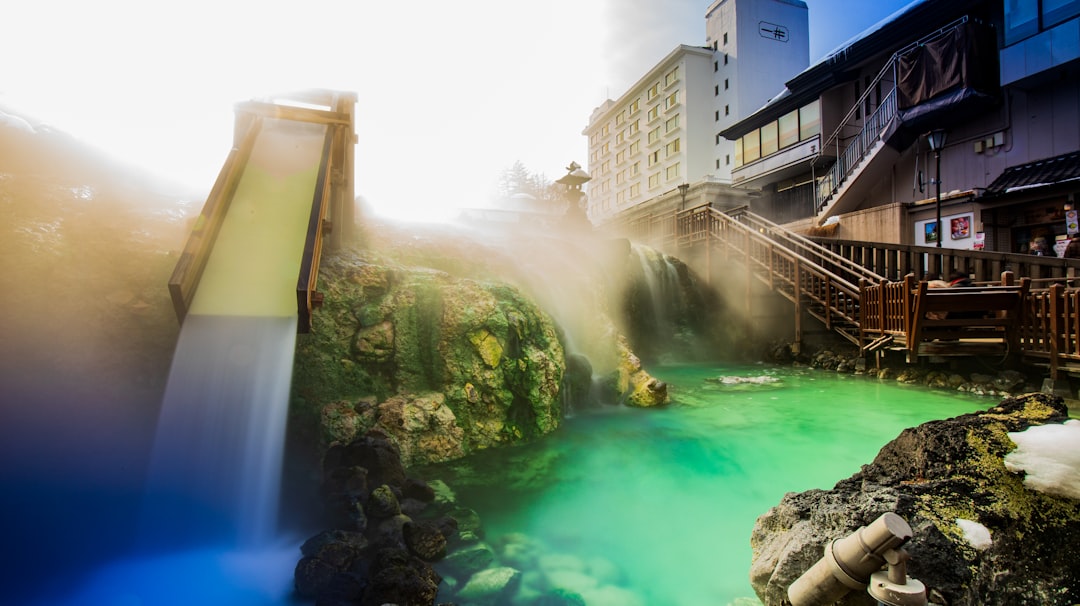

Photo by Nguyen TP Hai on Unsplash
Discover Kusatsu Onsen: Japan’s Legendary Hot Spring Town
Nestled in the mountains of Gunma Prefecture, Kusatsu Onsen has been celebrated for centuries as one of Japan’s three greatest hot spring resorts, alongside Arima and Gero. At the heart of this charming town lies the iconic Yubatake, or “hot water field,” a striking wooden cascade structure where mineral-rich onsen water flows continuously, filling the air with steam and the distinct scent of sulfur. Whether you’re a first-time visitor to Japan or a seasoned onsen enthusiast, Kusatsu Onsen offers an unforgettable blend of natural beauty, therapeutic waters, and authentic Japanese hospitality.
What Makes Yubatake So Special?
Yubatake is the symbolic centerpiece of Kusatsu Onsen and one of the most photographed hot spring sites in Japan. This wooden channel system was ingeniously designed to cool the extremely hot spring water—which emerges from the ground at temperatures exceeding 90°C (194°F)—to a bearable bathing temperature naturally, without diluting its potent mineral content. As the water cascades down the wooden troughs, clouds of steam rise dramatically, especially beautiful during early morning hours or in the cool evening air.
Surrounding Yubatake is a pleasant promenade lined with souvenir shops, cafes, ryokan (traditional inns), and public foot baths where visitors can soak their feet for free while soaking in the atmosphere. At night, the area is beautifully illuminated, creating a magical, almost otherworldly scene that draws photographers and romantics alike.
The Healing Power of Kusatsu’s Waters
Kusatsu Onsen’s hot spring water is renowned throughout Japan for its exceptional acidity, one of the strongest among all Japanese onsens, with a pH level often below 2. This highly acidic water is believed to have powerful antibacterial and skin-purifying properties, and it has historically been used to treat various ailments, including skin conditions, nerve pain, and muscle fatigue. However, due to its intensity, the water is not recommended for those with sensitive skin or open wounds, and most ryokan provide guidance on safe bathing practices.
Interestingly, the water is so acidic that metal objects like coins and jewelry can corrode if left in contact for extended periods, a fun (and slightly cautionary) fact many locals love to share with visitors.
Experience the Traditional Yumomi Show
One of the most unique cultural experiences in Kusatsu is the Yumomi show, a traditional method of cooling the scalding hot spring water by stirring it with long wooden paddles while performers sing rhythmic folk songs. This practice dates back generations and was originally a practical necessity before modern engineering solutions like Yubatake existed. Today, visitors can watch demonstrations at the Netsu-no-yu bathhouse near Yubatake, and in some sessions, tourists are even invited to try stirring the water themselves. It’s a wonderful way to connect with the town’s onsen heritage.
Top Things to Do in Kusatsu Onsen
- Soak in Public Bathhouses: Kusatsu has several free or low-cost public bathhouses (sento) scattered throughout town, allowing visitors to experience different mineral compositions and bathing styles.
- Visit Sainokawara Park: This scenic park features a large open-air bath (rotenburo) surrounded by nature, rocky landscapes, and seasonal foliage—perfect for a relaxing soak with a view.
- Stroll Around Yubatake at Night: The illuminated Yubatake area transforms after dark, offering a romantic and serene atmosphere ideal for evening walks.
- Try Onsen Manju: Sample this local specialty, a steamed bun filled with sweet bean paste, often sold warm from vendors near Yubatake.
- Explore Sai-no-Kawara Rotenburo: One of Japan’s largest outdoor baths, offering an immersive nature bathing experience.
- Shop for Local Souvenirs: Pick up onsen-related goods, local crafts, and Gunma specialties along the shopping streets near the town center.
Where to Stay: Ryokan and Hotels Near Yubatake
Accommodation in Kusatsu ranges from luxurious traditional ryokan with private onsen baths to budget-friendly guesthouses and modern hotels. Staying within walking distance of Yubatake is highly recommended, as it allows easy access to the town’s main attractions, dining options, and evening illumination views. Many ryokan feature their own private hot spring baths drawing directly from Kusatsu’s famous waters, along with kaiseki-style dinners showcasing local Gunma ingredients such as konnyaku, mountain vegetables, and freshwater fish.
For travelers seeking a quieter experience, some accommodations are located slightly outside the central Yubatake area but still within a short walk, offering a more tranquil stay while remaining close to the action.
Best Time to Visit Kusatsu Onsen
Kusatsu Onsen is a wonderful year-round destination, with each season offering a distinct charm. Spring brings fresh mountain greenery and mild temperatures ideal for outdoor bathing. Summer offers a cool escape from Japan’s humid lowlands due to Kusatsu’s elevated mountain location. Autumn transforms the surrounding hills into vibrant displays of red and gold foliage, beautifully complementing the steaming Yubatake. Winter is particularly magical, as snow blankets the town and steam rises dramatically against the cold air, creating a quintessential hot spring atmosphere that many consider the ultimate onsen experience.
How to Get to Kusatsu Onsen
Kusatsu Onsen is accessible from Tokyo in approximately 3 to 4 hours via a combination of train and bus. Travelers typically take a train to Nagai or Naganohara-Kusatsuguchi Station on the JR lines, followed by a local bus connection directly to the Kusatsu Onsen bus terminal, which is just a short walk from Yubatake. Direct highway buses also operate from major Tokyo terminals, offering a convenient one-transfer option for those without a JR Pass. Renting a car is another excellent option, providing flexibility to explore nearby attractions in the Gunma and Nagano mountain regions.
Nearby Attractions Worth Exploring
Beyond the town center, the Kusatsu area offers access to beautiful natural sites such as Mount Shirane, an active volcano with hiking trails and the striking emerald-colored Yugama Crater Lake (subject to seasonal access restrictions). The Shiga Kogen area, known for skiing in winter and hiking in summer, is also within reach for travelers looking to extend their mountain adventure.
Onsen Etiquette Tips for Visitors
- Wash your body thoroughly before entering shared bathing areas.
- Keep long hair tied up and away from the water.
- Avoid bringing towels into the bath water itself.
- Tattoos may be restricted in some traditional bathhouses, so check policies in advance.
- Speak quietly and be respectful of the peaceful atmosphere many visitors seek.
Final Thoughts
Kusatsu Onsen and its magnificent Yubatake represent one of the most authentic and rewarding hot spring experiences Japan has to offer. From the mesmerizing steam rising off cascading mineral waters to the rich cultural traditions like Yumomi, this mountain town provides a perfect blend of relaxation, history, and natural beauty. Whether you’re planning a day trip or an extended stay, Kusatsu Onsen deserves a top spot on any Japan travel itinerary.