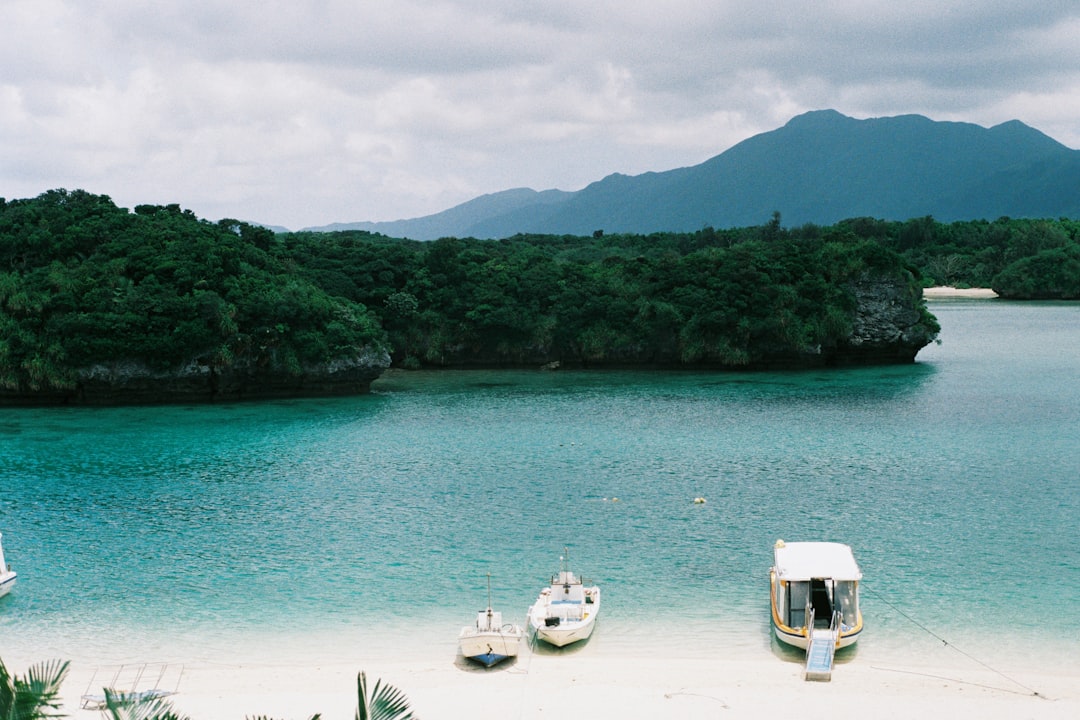

Photo by Christoph Schmid on Unsplash
Stretching gracefully across Miyazu Bay in northern Kyoto Prefecture, Amanohashidate is a natural sandbar so beautiful it has been celebrated for over a thousand years as one of Japan’s Three Scenic Views (Nihon Sankei), alongside Matsushima in Miyagi and Miyajima in Hiroshima. Unlike the temples and shrines that dominate most Kyoto itineraries, Amanohashidate offers something refreshingly different: a slender ribbon of pine-covered land that appears to float between sea and sky, best appreciated from a handful of specially designed viewpoints on either side of the bay.
What Is Amanohashidate?
Amanohashidate literally translates to “bridge to heaven,” a name inspired by its shape and the way it seems to connect the earth to the sky when viewed from certain angles. The sandbar stretches approximately 3.6 kilometers across Miyazu Bay, separating it from the open Sea of Japan. It is covered with roughly 8,000 pine trees, many of them centuries old, creating a striking green corridor surrounded by pale sand and blue water.
Geologically, the sandbar formed over thousands of years through the deposition of sand carried by ocean currents and river sediment, gradually building a natural land bridge that has remained remarkably stable. Today it functions as both a scenic wonder and a functional pathway, with a walking and cycling path running its entire length.
The Legendary Bridge to Heaven
According to Japanese mythology recorded in ancient texts like the Tango Fudoki, Amanohashidate was once a ladder used by the god Izanagi to visit the goddess Izanami, who resided on earth. When the god fell asleep, the ladder toppled over and became the sandbar we see today. This origin story is deeply tied to the site’s cultural reverence, and it has inspired poets, painters, and pilgrims since at least the Heian period. The 11th-century waka poet Ono no Komachi and countless ukiyo-e artists have immortalized its image, cementing its place in Japanese aesthetic tradition.
Best Viewpoints to Experience Amanohashidate
Part of what makes Amanohashidate so special is that its appearance transforms dramatically depending on where you view it from. There are two primary viewpoints, one on each side of the bay, and a lesser-known third spot for the more adventurous traveler.
Kasamatsu Park (North Side)
Perched on a hill on the northern side of the bay, Kasamatsu Park is reached by a short chairlift or cable car ride from Ichinomiya Station. From here, the sandbar appears to rise vertically into the sky, resembling a dragon ascending toward the heavens when viewed through the traditional matanozoki technique, bending over and looking at the scenery upside down between your legs. This unusual practice, said to enhance the illusion of the sandbar floating in the air, has become a beloved photo tradition for visitors of all ages.
Amanohashidate View Land (South Side)
On the opposite shore near Amanohashidate Station, View Land offers a different but equally stunning perspective. Accessible by chairlift or a scenic monorail, this viewpoint makes the sandbar look like a flying dragon soaring across the water, earning it the nickname “Hiryukan” or “Flying Dragon View.” The park also features a small amusement area, making it a popular choice for families traveling with children.
Additional Viewpoints
For travelers seeking a quieter experience, the observation deck at Nariai-ji Temple, located further up the mountain above Kasamatsu Park, provides a higher and more panoramic vantage point over the entire bay. This spot requires more effort to reach but rewards visitors with sweeping views and considerably smaller crowds.
How to Get to Amanohashidate
Amanohashidate is located in the city of Miyazu, in the northern part of Kyoto Prefecture, roughly two to two and a half hours from Kyoto City by train. The most common route involves taking the JR San-in Main Line or a limited express train to Fukuchiyama, then transferring to the Kyoto Tango Railway bound for Amanohashidate Station. Direct limited express trains also run from Kyoto Station on certain days, significantly simplifying the journey.
For travelers coming from Osaka, a similar transfer via Fukuchiyama or Nishi-Maizuru is required. Those with a rental car will find the drive scenic and manageable, taking approximately two hours from central Kyoto via the Kyoto-Miyazu Expressway. Given its distance from the city center, Amanohashidate is best enjoyed as a day trip or, ideally, an overnight stay to fully appreciate the pace of this seaside region.
Things to Do Around Amanohashidate
- Walk or Cycle the Sandbar: The pine-lined path across Amanohashidate takes about an hour to walk one way, or considerably less by rental bicycle, which can be picked up near either end of the sandbar.
- Visit Chion-ji Temple: Located at the southern entrance to the sandbar, this small but historic temple is dedicated to Monju Bosatsu, the Buddhist deity of wisdom, and is a popular stop for students seeking academic success.
- Take a Sightseeing Boat: Small cruise boats operate between Amanohashidate and Ichinomiya, allowing visitors to view the sandbar from the water while feeding curious seagulls that follow the boats.
- Explore Motoise Kono Shrine: Considered an important precursor to Ise Grand Shrine, this atmospheric shrine sits near the northern end of the sandbar and offers a peaceful contrast to the busier viewpoint areas.
- Relax at a Hot Spring: The nearby coastal area has several onsen ryokan offering seafood dinners and bay views, perfect for unwinding after a day of sightseeing.
Best Time to Visit
Amanohashidate is a year-round destination, and each season offers its own charm. Spring brings mild temperatures ideal for walking the sandbar, while summer, though warmer and busier, allows for swimming at the small beach areas along the pine grove. Autumn offers comfortable weather and fewer crowds, making it an excellent time for photography, and winter transforms the pine trees with occasional dustings of snow, creating a serene, monochrome atmosphere quite different from the postcard-blue summer views. Early morning visits, regardless of season, tend to offer the calmest waters and softest light for photography.
Nearby Attractions Worth Exploring
Given the effort required to reach this part of Kyoto Prefecture, many travelers choose to combine Amanohashidate with other destinations in the Tango Peninsula region. The fishing village of Ine, famous for its unique funaya boathouses built directly over the water, is roughly 30 minutes away by bus and offers a glimpse into a distinctive coastal lifestyle. The historic castle town of Miyazu itself also rewards a short stroll, with old merchant buildings and quiet backstreets reflecting the area’s Edo-period trading history.
Practical Tips for Visitors
- Purchase a combination ticket that includes chairlift or cable car access along with entry to the viewpoint parks for better value.
- Wear comfortable walking shoes, as exploring the sandbar and surrounding hills involves a fair amount of walking.
- Rental bicycles are a convenient way to cross the sandbar quickly, especially in warmer months.
- Coin lockers are available near both Amanohashidate Station and the boat pier for storing luggage during a day trip.
- Try the local specialty, chikuwa (grilled fish cake), sold at small stalls near the station and along the sandbar entrance.
Final Thoughts
Amanohashidate rewards travelers willing to venture beyond Kyoto’s temple circuit with a landscape unlike anything else in the prefecture. Whether you are peering at the pine-covered sandbar upside down from Kasamatsu Park, cycling its shaded path with the sea breeze at your back, or simply admiring it from a slow-moving sightseeing boat, this legendary bridge to heaven offers a peaceful, awe-inspiring contrast to the bustle of central Japan. For anyone seeking a deeper, more varied appreciation of Kyoto Prefecture’s natural beauty, Amanohashidate deserves a firm place on the itinerary.