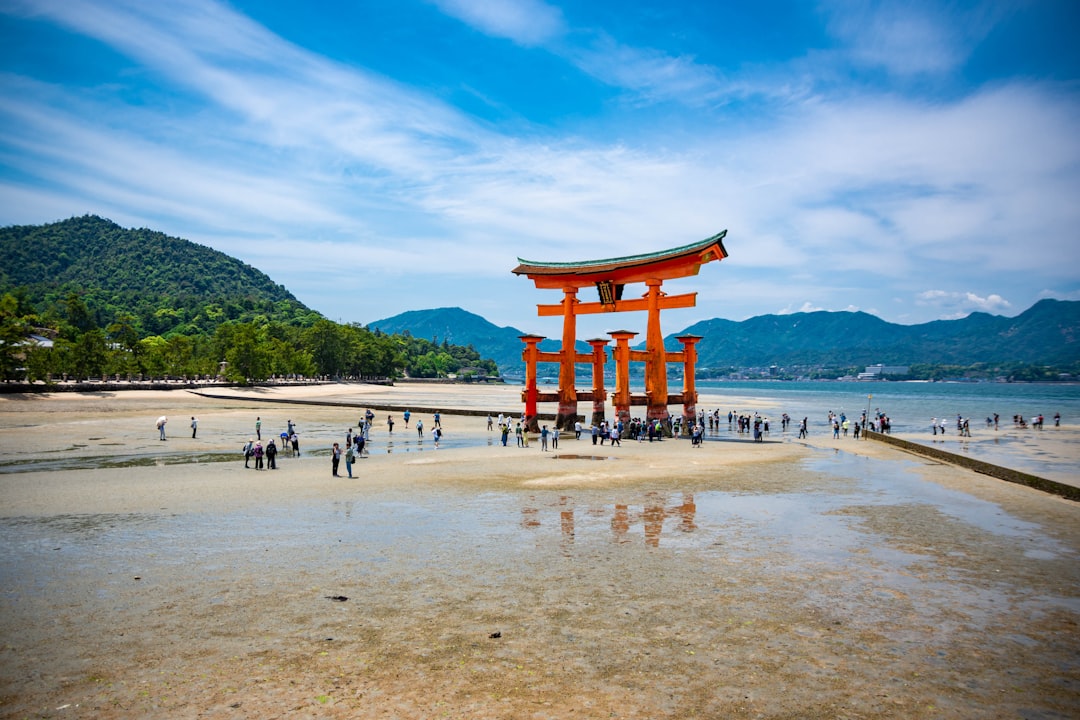

Photo by Alessandro Stech on Unsplash
Introduction to the Floating Torii Gate
Few images capture the spirit of Japan quite like the vermilion torii gate of Itsukushima Shrine, seemingly floating on the waters of the Seto Inland Sea. Located on Miyajima Island near Hiroshima, this iconic gate has become one of the most photographed landmarks in the entire country. Whether you have seen it on postcards, travel documentaries, or Instagram feeds, nothing quite compares to witnessing it in person as the tide rises and falls around its massive wooden legs. This guide covers everything you need to know before visiting the floating torii gate, including the best times to go, how the tides affect your experience, transportation options, photography tips, and other attractions to pair with your trip to Miyajima.
A Brief History of Itsukushima Shrine and Its Torii
Itsukushima Shrine dates back over a thousand years, with its current pier-like structure established in the twelfth century under the patronage of a powerful samurai clan leader. The shrine and its torii gate were built over water because the entire island of Miyajima was considered so sacred that ordinary people were historically forbidden from setting foot on it. Building the shrine on stilts above the sea allowed pilgrims to approach by boat without desecrating the sacred ground beneath. The torii gate itself, standing at roughly sixteen meters tall, is not fixed into the seabed with foundations. Instead, its own immense weight holds it upright, allowing it to withstand tides, storms, and even typhoons for centuries. The shrine complex, including the torii, is recognized as a UNESCO World Heritage Site, and it remains an active place of Shinto worship today.
High Tide or Low Tide: Which Is Better?
One of the most important things to understand before visiting is that the appearance of the torii gate changes dramatically depending on the tide, and both versions offer completely different experiences.
Visiting at High Tide
At high tide, the torii gate appears to float dramatically on the water, creating that classic postcard image most travelers dream of seeing. The reflection of the vermilion gate against the blue-green sea is especially stunning during sunset, when the sky turns orange and pink behind the silhouette of the gate. If you want the iconic floating effect, plan your visit around high tide and arrive at the shrine’s waterfront promenade at least thirty minutes beforehand to secure a good viewing spot.
Visiting at Low Tide
At low tide, the water recedes completely, exposing the sandy seabed and allowing visitors to walk right up to the base of the torii gate. This is a unique opportunity to see the gate’s massive wooden pillars up close, touch the barnacle-covered legs, and even find small crabs and shells in the wet sand. Many visitors say this is the highlight of their trip, since it offers a completely different perspective compared to the floating image seen in photographs. Walking out to the gate is free and does not require a ticket, though you should be mindful of posted safety notices and avoid climbing on the structure itself.
How to Check the Tide Schedule
Tide times change daily, so it is essential to check a tide chart before your visit. Search online for the Miyajima or Itsukushima tide table, or check with the local tourist information center upon arrival. Ideally, plan a trip long enough to experience both high and low tide, either by staying overnight on the island or by timing a day trip carefully around the tide schedule.
How to Get to Miyajima
Reaching Miyajima is straightforward from Hiroshima. Most travelers take a train or tram to Miyajimaguchi Station, followed by a short ferry ride across to the island. Two ferry companies operate the route, and one of them sails close enough to the torii gate to offer excellent photo opportunities from the boat deck. From central Hiroshima, the entire journey typically takes under an hour. Some visitors also choose a direct ferry service that departs from near the Peace Memorial Park in Hiroshima, combining sightseeing along the river with the scenic approach to the island.
Best Time of Day and Season to Visit
Early morning and late afternoon are the best times to visit if you want to avoid crowds, since Miyajima can become quite busy with day-trip tour groups around midday. Arriving on the first ferry of the day rewards visitors with quiet streets, calmer photo conditions, and a more peaceful atmosphere around the shrine. Sunset is also a magical time to visit, especially when paired with high tide, as the gate becomes illuminated after dark and glows beautifully against the night sky. Because this is an evergreen destination, every season offers something special, whether it is spring blossoms framing the shrine, vibrant autumn foliage on nearby Mount Misen, or the quiet stillness of a winter visit with fewer tourists.
Exploring Beyond the Torii Gate
While the floating torii gate is the star attraction, Miyajima offers plenty more to explore, making it worth allocating a full day or even an overnight stay.
- Itsukushima Shrine itself, with its long corridors built over the water, offers a fascinating look at traditional Shinto architecture.
- Mount Misen, accessible by ropeway or a scenic hiking trail, rewards visitors with panoramic views over the Seto Inland Sea.
- The island’s resident deer roam freely and are generally friendly, though visitors should avoid feeding them paper items such as maps or tickets.
- Local shopping streets near the ferry terminal sell momiji manju, a maple-leaf shaped sweet that has become a signature souvenir of the region.
- Daisho-in Temple, a short walk from the shrine, features colorful statues, prayer wheels, and a peaceful garden worth exploring.
Practical Visiting Tips
To make the most of your trip, keep the following tips in mind.
- Check the tide schedule in advance and decide whether you prefer the floating effect or walking up to the gate.
- Arrive early or stay late to avoid the midday crowds that gather for photos near the shrine’s waterfront.
- Wear comfortable, water-resistant footwear if you plan to walk on the exposed seabed during low tide.
- Bring cash, as some smaller shops and food stalls on the island may not accept cards.
- Respect the sacred nature of the site by avoiding loud behavior and refraining from touching or climbing on the torii gate.
- Consider staying overnight on the island to experience both the illuminated night view and the quiet early morning atmosphere without crowds.
- Check shrine opening hours in advance, as they vary slightly depending on the season, and note that a small entrance fee applies to enter the shrine grounds itself.
Final Thoughts
The floating torii gate of Itsukushima Shrine is more than just a photogenic landmark; it is a symbol of centuries of spiritual tradition and architectural ingenuity. By planning around the tides, arriving at the right time of day, and taking time to explore the rest of Miyajima Island, you can craft an unforgettable visit that goes far beyond a quick photo stop. Whether you catch it floating serenely at high tide or walk right up to its towering base at low tide, this remarkable gate offers a moment of quiet wonder that stays with travelers long after they leave Japan.