Why Kanazawa Is Japan’s Best-Kept Secret
Kyoto’s temples, bamboo groves, and geisha alleys are famous for a reason, but that fame comes at a cost: shoulder-to-shoulder crowds, long queues at every shrine gate, and a constant hum of camera shutters that can make it hard to feel the quiet spirituality the city is supposed to offer. If you’re looking for the same atmosphere of preserved history, traditional crafts, and old-world charm without fighting through tour groups, Kanazawa deserves a spot at the top of your Japan itinerary. Tucked along the Sea of Japan coast in the Hokuriku region, Kanazawa is often nicknamed ‘Little Kyoto’ for its geisha districts, samurai quarters, and stunning strolling garden, yet it remains refreshingly under the radar compared to its more famous cousin.
A Castle Town That Escaped the Crowds (and the Bombs)
Kanazawa was once the seat of the wealthy Kaga domain, the second-richest feudal territory in Edo-period Japan after the Tokugawa shogunate itself. That wealth funded generations of artisans specializing in gold leaf, lacquerware, ceramics, and silk dyeing, crafts you can still watch being made today. Because Kanazawa was spared from bombing during World War II, its historic teahouse districts, samurai residences, and canal-lined streets survive largely intact, giving visitors an authentic feel for Edo-era Japan that many other cities can only reconstruct.
Top Things to Do in Kanazawa
Kenrokuen Garden
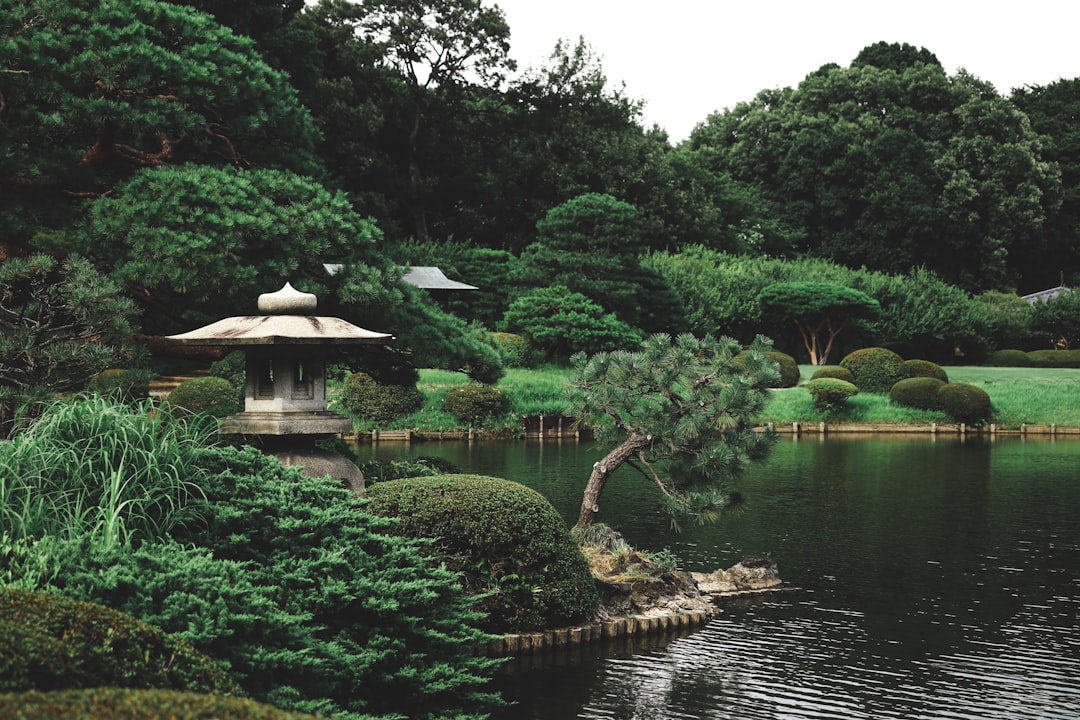
Ranked as one of the Three Great Gardens of Japan, Kenrokuen is arguably as beautiful as any garden in Kyoto, with ponds, teahouses, arched bridges, and seasonal plantings that change dramatically from cherry blossoms in spring to fiery maples in autumn and snow-draped pine trees (protected by iconic rope supports called yukizuri) in winter. Unlike Kyoto’s most famous gardens, you can usually find a quiet bench here even on a weekend.
Higashi Chaya District
This beautifully preserved geisha teahouse district features wooden latticed facades, gold-leaf boutiques, and traditional sweets shops. You can sip matcha topped with edible gold leaf, browse artisan shops without being jostled, and even step inside a former geisha house open to the public. It offers the same nostalgic charm as Kyoto’s Gion, minus the throngs of tourists chasing geisha for photos.
Kanazawa Castle Park
Adjacent to Kenrokuen, the reconstructed Kanazawa Castle offers sweeping views, elegant white plaster walls, and a peaceful park setting that rarely feels overcrowded, making it an ideal spot for a relaxed picnic or photography session.
Omicho Market
Known as ‘Kanazawa’s Kitchen,’ this covered market has operated for centuries and is the best place to sample the incredibly fresh seafood the region is famous for, thanks to the cold currents of the Sea of Japan. Try fresh sea urchin, snow crab, or a seafood rice bowl at one of the small counter restaurants tucked between produce stalls.
21st Century Museum of Contemporary Art
For a contrast to all the historic sightseeing, this striking circular museum showcases cutting-edge contemporary art, including the famous ‘Swimming Pool’ installation. It proves Kanazawa isn’t just about the past, it has a thriving creative scene too.
Nagamachi Samurai District
Wander earthen-walled lanes once home to Kaga domain samurai, visit a preserved samurai residence, and admire the small canals that once supplied water for fire prevention and gardens. It’s an evocative, uncrowded walk back in time.
How to Get to Kanazawa
Kanazawa is remarkably easy to reach, which is part of why it makes such a smart addition to any Japan itinerary. The Hokuriku Shinkansen connects Tokyo to Kanazawa in about two and a half hours, making it a viable day trip or a relaxed overnight stop. From Kyoto or Osaka, the Thunderbird limited express train takes roughly two to two and a half hours directly to Kanazawa Station, whose striking wooden Tsuzumi-mon Gate is itself a memorable welcome. The city center is compact and highly walkable, with an efficient loop bus and plenty of rental bicycles for those who want to explore at their own pace.
Best Time to Visit
Kanazawa is a genuinely year-round destination. Spring brings cherry blossoms to Kenrokuen and the castle grounds; summer offers lush greenery and vibrant local festivals; autumn transforms the garden into a canvas of red and gold; and winter delivers a rare, atmospheric snow-covered garden experience that few travelers ever witness in Japan. Because it hasn’t yet been swept up in mass tourism, visiting on a weekday or outside major domestic holidays practically guarantees a peaceful, unhurried experience regardless of season.
Where to Stay
For an authentic experience, consider staying in a converted machiya townhouse or a traditional ryokan near the Higashi Chaya district, where you can fall asleep to quiet streets rather than city noise. Travelers who prefer convenience will find comfortable hotels clustered around Kanazawa Station, putting the Shinkansen, bus terminal, and city sights all within easy reach.
Local Flavors Worth Seeking Out
Kaga cuisine reflects the region’s samurai-era refinement and abundant seafood. Don’t miss jibuni, a delicate duck and vegetable stew; fresh sushi featuring seasonal catches unique to the Sea of Japan; and gold-leaf-topped soft serve, a quirky but delicious local specialty. Kanazawa is also close to several excellent sake breweries offering tastings that rival those in more famous sake regions.
Regional Dispersion: Pair Kanazawa With Nearby Hidden Gems
One of the best reasons to base part of your trip in Kanazawa is its proximity to other underrated destinations. From here, you can easily add day trips or short stops to Shirakawa-go’s thatched-roof villages, the historic town of Takayama, the dramatic Tojinbo Cliffs and serene Eiheiji Temple in nearby Fukui, or the rugged, uncrowded coastline of the Noto Peninsula. Spreading your itinerary across these lesser-visited areas not only gives you a richer, more relaxed travel experience, it also helps ease the pressure of overtourism on hotspots like Kyoto and supports smaller local economies that rarely see international visitors.
Final Thoughts
Kanazawa offers nearly everything travelers love about Kyoto, atmospheric geisha districts, samurai history, exquisite gardens, and refined traditional crafts, without the overwhelming crowds. Whether you swap Kyoto for Kanazawa entirely or simply add it as a peaceful counterpoint to a busier itinerary, this Hokuriku gem rewards curious travelers with authenticity, tranquility, and a genuine sense of discovery that’s becoming harder to find elsewhere in Japan.
Photo by Thor Alvis on Unsplash