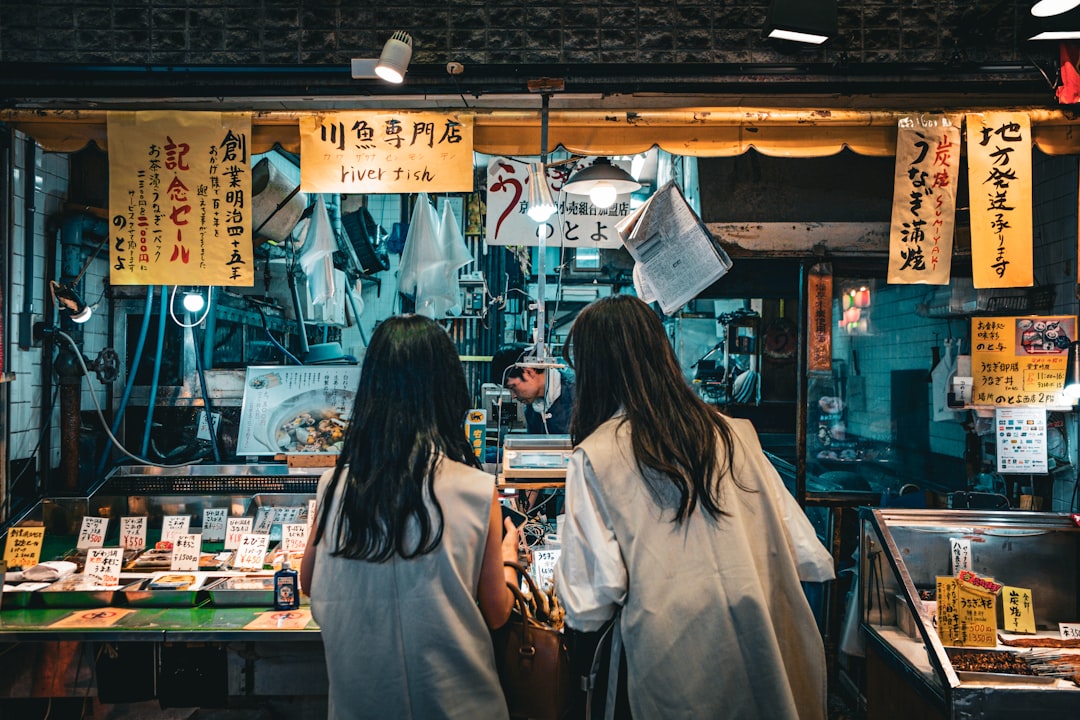
Welcome to Omicho Market, the Kitchen of Kanazawa
Tucked between the modern shopping streets and traditional geisha districts of Kanazawa, Omicho Market has been feeding locals for centuries and is now one of the most beloved food destinations for travelers exploring the Hokuriku region. Known affectionately as “Kanazawa’s Kitchen,” this sprawling covered market is a maze of narrow alleys lined with over 170 stalls and shops selling everything from glistening sashimi to seasonal vegetables, pickles, and street snacks. If you are planning a trip to Kanazawa and want to understand the local seafood culture firsthand, this tasting guide will help you navigate the market like a pro, discover must-try dishes, and avoid common rookie mistakes.
Why Omicho Market Seafood Is So Special
Kanazawa sits on the coast of the Sea of Japan, and the cold, nutrient-rich currents that pass through this area produce some of the country’s most prized seafood. The proximity to Kanazawa Port and other nearby fishing harbors means that much of what you see displayed at Omicho was swimming in the ocean just hours earlier. This is not a tourist trap with imported, frozen fish reheated for show; it is a genuine, working market where local chefs, restaurant owners, and home cooks shop daily. That authenticity is what sets the tasting experience here apart from more polished, visitor-oriented markets elsewhere in Japan.
A Market With Deep Roots
Omicho Market traces its origins back to the Edo period, when it served as the primary food supply hub for the castle town of Kanazawa. Over the generations it evolved from an open-air gathering of vendors into the covered, semi-modernized market you see today, yet it has managed to retain its old-town charm, complete with narrow covered lanes, cheerful shopkeepers calling out to passersby, and the unmistakable smell of fresh brine in the air.
Must-Try Seafood Dishes at Omicho Market
The single best way to experience Omicho is through its food stalls and small eateries that let you sample the freshest catches without committing to a full sit-down meal. Here are the dishes you should not miss.
- Kaisendon (Seafood Rice Bowl): This is the signature dish of the market. A bowl of warm vinegared rice topped generously with an assortment of sashimi-grade seafood, often including tuna, salmon roe, sea urchin, and shrimp. Many restaurants inside and around the market offer their own take on kaisendon, ranging from affordable lunch sets to luxurious “deluxe” versions piled high with premium cuts.
- Kanazawa Snow Crab (Kobako-gani and Kani): Depending on the season, you will find both male snow crab (zuwaigani) and the smaller, roe-filled female crab known as kobako-gani. These are often sold whole, already cooked, or served as part of a crab-focused tasting set. The sweet, delicate meat paired with rich roe is a Hokuriku specialty worth savoring slowly.
- Fresh Uni (Sea Urchin): Local uni from the Sea of Japan is famous for its creamy texture and clean, briny-sweet flavor. Many stalls sell small cups of uni you can eat standing up, making it an easy way to try this delicacy without committing to a full meal.
- Amaebi (Sweet Shrimp): These translucent pink shrimp are prized for their natural sweetness and soft texture, usually served raw as sashimi or atop a rice bowl.
- Grilled Skewers and Street Snacks: Beyond raw seafood, you will find grilled scallops, oysters, and even seafood-stuffed rice balls sold from small stands, perfect for a quick bite while wandering the market lanes.
- Tamagoyaki and Local Pickles: Not everything at Omicho is seafood. Stalls selling fluffy Japanese omelet skewers and an array of colorful tsukemono (pickled vegetables) offer a refreshing contrast to the richness of raw fish.
How to Navigate Omicho Market Like a Local
Omicho Market can feel overwhelming at first glance, with its dense layout and constant flow of shoppers. A little preparation goes a long way toward making your visit smooth and enjoyable.
Best Time to Visit
The market is busiest in the late morning, particularly between 10am and 1pm, when both tourists and local shoppers converge. If you want a quieter experience with shorter lines at popular sashimi stalls, arrive right when the market opens in the early morning. Keep in mind that many stalls and restaurants start closing in the mid-afternoon, and by early evening much of the market has shuttered for the day, since Omicho functions primarily as a morning-to-early-afternoon shopping hub rather than an evening food destination.
Cash Is King
While larger restaurants inside the market increasingly accept credit cards and digital payments, many small individual stalls still operate on a cash-only basis. It is wise to carry sufficient Japanese yen in small denominations, since some vendors may not have change for large bills.
Sampling Versus Sit-Down Dining
One of the joys of Omicho is that you can choose your own adventure. If you want a leisurely, multi-course seafood meal, book a table at one of the sit-down sushi or kaisendon restaurants lining the market’s edges. If you prefer to graze, wander the alleys sampling small skewers, cups of uni, or grilled shellfish from multiple vendors, building your own tasting course as you go.
Market Etiquette and Practical Tips
- Ask before photographing: Many vendors are happy to have their beautiful displays photographed, but it is polite to ask first, especially if you plan to photograph the vendor themselves.
- Don’t touch the seafood: Unless a stall specifically invites you to pick items yourself, let the vendor handle the fish and shellfish for hygiene reasons.
- Watch for seasonal specialties: Crab season typically runs through the colder months, while certain shellfish and uni have their own peak seasons. Ask vendors what is freshest that day, as they are usually eager to share recommendations.
- Expect queues at popular spots: Some of the most famous kaisendon restaurants have a loyal following and may have a short wait, particularly around lunchtime. Arriving slightly before or after the noon rush can help you skip the longest lines.
- Pace yourself: With so many tempting stalls, it is easy to overeat quickly. Consider splitting larger dishes with a travel companion so you can sample more variety.
Getting to Omicho Market
Omicho Market is centrally located in Kanazawa, making it easily accessible on foot or by local bus from Kanazawa Station. Most visitors combine a market visit with other nearby attractions such as Kenrokuen Garden, Kanazawa Castle Park, and the historic Higashi Chaya geisha district, all of which are within a reasonably short bus ride or walk. Many travelers choose to visit the market in the morning before heading to these other sights, using the fresh seafood breakfast or lunch as a energizing start to a full day of sightseeing.
Final Thoughts on Tasting Omicho Market
A visit to Omicho Seafood Market is more than just a meal; it is a sensory introduction to Kanazawa’s deep connection with the sea and its centuries-old food culture. Whether you indulge in a lavish kaisendon piled high with seasonal treasures, sip on a small cup of fresh uni, or simply wander the alleys soaking in the sights and sounds of a working Japanese market, Omicho offers an unforgettable culinary experience for any traveler. Plan to arrive with an appetite, a bit of cash, and a spirit of curiosity, and you will leave with a genuine taste of Kanazawa’s coastal heritage.
Photo by Owen Roth on Unsplash