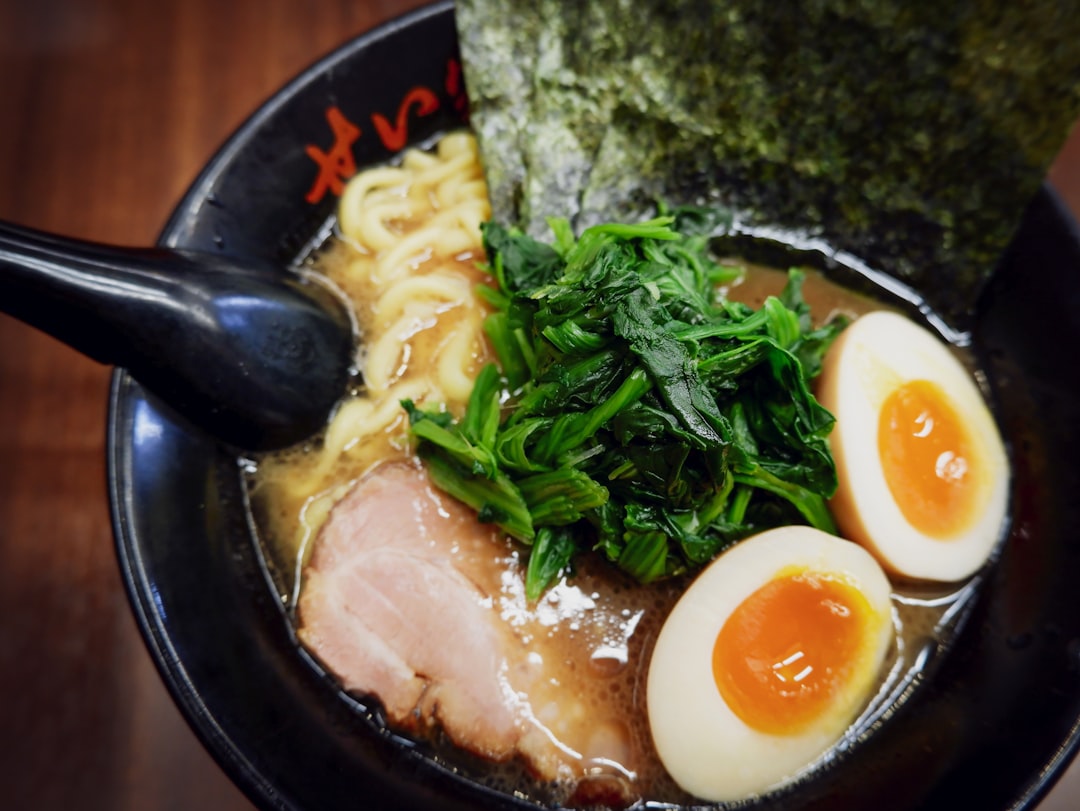
What Is Kagoshima Black Ramen?
If you think you know tonkotsu ramen, Kagoshima black ramen (kuro ramen) will make you reconsider. Hailing from the southernmost prefecture of Kyushu, this regional specialty takes the classic pork bone broth and layers it with a signature dark, aromatic garlic oil called mayu or koge-nin niku abura, giving the soup its distinctive charcoal-black sheen. Unlike the milky white tonkotsu broths of Hakata or Kurume, Kagoshima’s version is richer, sweeter, and infused with a smoky depth that comes from slow-roasted garlic and pork fat cooked until nearly caramelized.
This style of ramen is not just a food trend, it is a point of local pride. Kagoshima residents will proudly tell you that their ramen culture predates much of what became famous in Fukuoka, and the black broth is considered a refined evolution of the prefecture’s pork-centric culinary heritage, which also gave the world kurobuta (black pig) pork.
The History Behind the Black Broth
Kagoshima has long been one of Japan’s premier pork-producing regions, thanks to its volcanic soil, temperate climate, and centuries-old tradition of raising kurobuta pigs, a breed introduced from Europe during the Edo period and refined into the tender, marbled meat prized today. It was only natural that local ramen shops would lean heavily into pork bone broths.
The black color itself is believed to have emerged from cooks experimenting with burnt or deeply roasted garlic oil to cut through the heaviness of tonkotsu broth and add complexity. Over time, this garlic oil became a defining feature rather than a side note, and shops began competing to perfect their own version of the dark, fragrant oil that now defines the region’s ramen identity.
Key Characteristics That Set It Apart
- Black garlic oil (mayu): Made by slowly frying minced or whole garlic in oil until it turns deep brown or black, this oil is drizzled generously over the broth, creating a smoky, slightly bitter-sweet aroma that cuts through the richness of the pork fat.
- Milder tonkotsu base: Compared to the intensely funky, thick broths of Kurume ramen, Kagoshima’s tonkotsu tends to be smoother and less overpowering, often balanced with a touch of soy sauce or chicken stock for added depth.
- Slightly thicker, softer noodles: While Hakata ramen is famous for ultra-thin, firm noodles, Kagoshima ramen typically uses medium-thick, softer noodles that hold up well in the rich broth without becoming mushy.
- Simple, hearty toppings: Expect chashu pork slices, often from kurobuta pork, along with green onions, bamboo shoots, and sometimes a soft-boiled egg, kept minimal so the broth and oil remain the star of the bowl.
How Kagoshima Ramen Differs From Hakata and Kurume Styles
Kyushu is home to several competing tonkotsu ramen traditions, and understanding the differences helps travelers appreciate what makes Kagoshima unique. Hakata ramen, from Fukuoka, is known for its razor-thin noodles and customizable firmness, along with a straightforward, intensely porky broth. Kurume ramen, often considered the origin point of tonkotsu, features an even richer, funkier broth made by continuously topping up the pot without fully cleaning it between batches.
Kagoshima ramen, by contrast, softens that intensity. The broth is generally lighter in funk, slightly sweeter, and the black garlic oil adds a layer of smoky complexity that neither Hakata nor Kurume versions typically include. Many visitors who find classic tonkotsu ramen too heavy or gamey find Kagoshima’s version more approachable while still delivering a satisfying, umami-packed bowl.
Where to Try Authentic Kagoshima Black Ramen
Kagoshima City and its surrounding areas are dotted with long-standing ramen shops that have perfected this style over generations. Many are small, counter-seat establishments run by families who have passed down their garlic oil recipes as closely guarded secrets. When exploring the city, look for shops near Tenmonkan, the bustling downtown entertainment district, where several late-night ramen spots cater to locals and visitors alike after a night out.
Because much of Kagoshima’s ramen culture thrives in unassuming neighborhood shops rather than tourist-oriented chains, part of the fun is simply wandering and following the smell of roasted garlic and simmering pork bones. Many shops open in the early evening and stay busy well past midnight, reflecting the dish’s popularity as a late-night comfort food.
How to Order Like a Local
- Most shops offer a basic ramen with the option to add extra chashu, a boiled egg, or extra garlic oil for those who want an even bolder flavor.
- Noodle firmness can sometimes be adjusted, though it is less emphasized than in Hakata style.
- Some shops offer a spicy version with added chili oil or miso, blending Kagoshima’s black ramen tradition with other regional influences.
- Pairing your bowl with a side of gyoza or a small rice dish is common, as many shops serve ramen as part of a larger casual meal rather than a standalone dish.
Why Food Lovers Should Seek It Out
For travelers exploring Japan’s regional ramen diversity, Kagoshima black ramen offers a compelling middle ground between the ultra-rich Kurume style and the more universally recognized Hakata style. Its use of black garlic oil also ties it thematically to other Kyushu specialties that showcase bold, smoky flavors, making it a natural stop for anyone doing a broader ramen tour of the island.
Beyond the bowl itself, trying this dish connects visitors to Kagoshima’s broader food culture, one deeply rooted in pork farming, volcanic terroir, and a laid-back southern Kyushu lifestyle that values hearty, comforting meals. Whether enjoyed after a day exploring Sakurajima’s volcanic landscapes or as a late-night meal in Tenmonkan, Kagoshima black ramen offers a genuinely regional experience you won’t easily replicate elsewhere.
Tips for First-Time Visitors
- Arrive with an appetite, portions are generous and the broth is filling.
- Do not be intimidated by the black color, the flavor is more mellow and aromatic than visually intense.
- Ask staff for recommendations if the menu is only in Japanese, most small shops are happy to guide curious travelers.
- Consider pairing your ramen adventure with a visit to a local shochu bar afterward, as Kagoshima is also Japan’s shochu heartland.
Final Thoughts
Kagoshima black ramen is a testament to how regional ingredients and local pride can transform a national dish into something distinctly local. Its smoky black garlic oil, tender kurobuta pork, and balanced tonkotsu broth make it a must-try for any ramen enthusiast traveling through Kyushu. Skip the tourist traps, seek out the small counter shops, and let the rich aroma guide you to one of Japan’s most underrated regional ramen experiences.
Photo by Susann Schuster on Unsplash