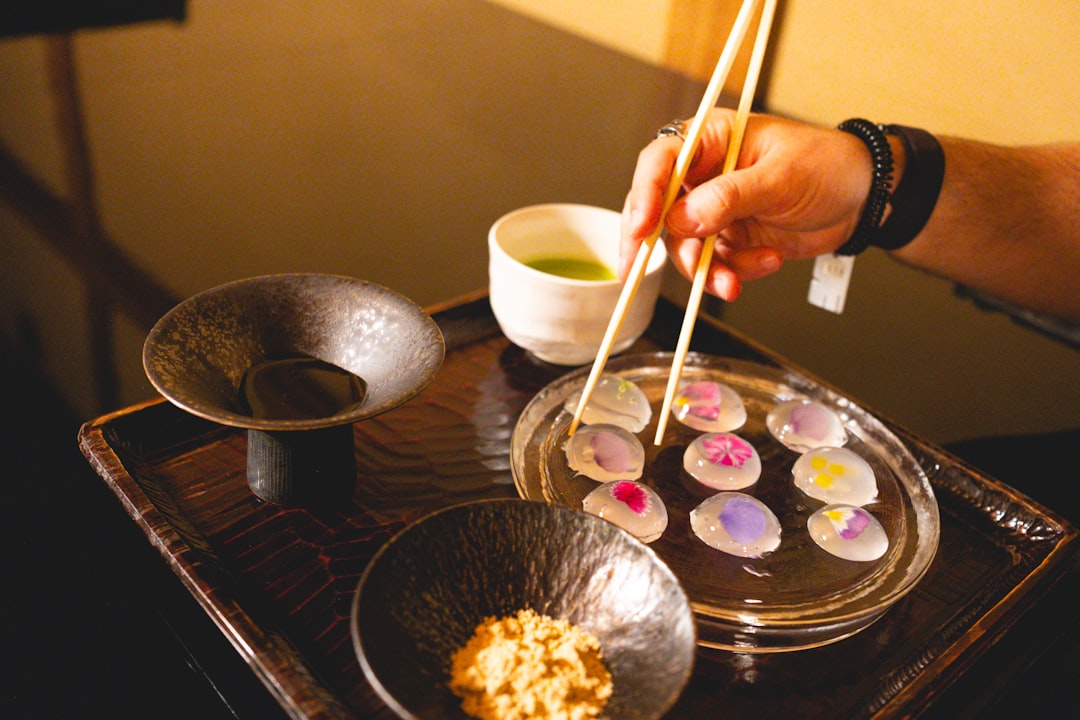

Photo by Igal Ness on Unsplash
Discovering Wagashi in the Heart of Gion
Kyoto’s Gion district is world-famous for its geisha culture, wooden machiya townhouses, and lantern-lit alleys, but tucked between the teahouses and craft shops lies another treasure: some of Japan’s most exquisite traditional sweet shops. These establishments, many of which have been run by the same families for generations, specialize in wagashi—delicate confections that reflect the seasons, honor centuries-old techniques, and pair beautifully with a bowl of matcha. For anyone visiting Kyoto, exploring these sweet shops is not just a culinary experience but a window into the artistry and philosophy that define Japanese aesthetics.
What Makes Wagashi So Special
Wagashi are traditional Japanese confections typically made from ingredients like red bean paste (anko), rice flour, agar, and seasonal fruits. Unlike Western desserts that rely heavily on butter and cream, wagashi emphasize subtlety, natural sweetness, and visual beauty. Many sweets are shaped to represent flowers, leaves, or seasonal motifs—cherry blossoms in spring, hydrangeas in early summer, maple leaves in autumn, and plum blossoms in winter. This deep connection to nature and the changing seasons is central to the philosophy behind Kyoto’s confectionery traditions, and Gion, with its long history as a cultural and entertainment district, has long been home to shops catering to tea ceremony practitioners, geiko, and maiko who require sweets of the highest refinement.
The Role of Tea Culture
Kyoto’s identity as the historical capital of Japan and a center for tea ceremony practice has shaped its wagashi culture profoundly. Sweets served during tea ceremonies must complement the bitterness of matcha without overpowering it, leading to confections that are subtly sweet, texturally interesting, and visually poetic. Many of Gion’s sweet shops originally supplied confections to tea masters, temples, and the geiko and maiko of the district, and this legacy of refinement continues today.
Types of Traditional Sweets You’ll Find
Walking through Gion’s sweet shops, visitors will encounter a variety of wagashi styles, each with its own texture, preparation method, and seasonal significance.
- Nerikiri: Delicately shaped and colored sweet bean paste, often molded into flowers or seasonal symbols. These are among the most artistic wagashi and are frequently used in tea ceremonies.
- Yatsuhashi: A Kyoto specialty made from rice flour, sugar, and cinnamon, available in baked cracker form or soft, folded triangles often filled with sweet bean paste.
- Mochi and Daifuku: Soft pounded rice cakes, sometimes filled with red bean paste, strawberries, or matcha cream, offering a chewy contrast to more delicate confections.
- Kanten and Yokan: Jelly-like sweets made from agar, often layered with fruit or infused with matcha, prized for their glassy, refreshing appearance especially in warmer months.
- Dorayaki: Two small pancake-like layers sandwiching sweet red bean paste, a slightly more casual treat popular with locals and visitors alike.
Notable Areas to Explore for Sweet Shops
While specific shop names and locations can change over time, Gion and its surrounding streets—including Hanamikoji, Shirakawa, and the approach to Yasaka Shrine—are dotted with confectionery stores ranging from centuries-old establishments to smaller boutique shops. Many are family-run, with recipes passed down through generations, and some maintain traditional wooden storefronts that add to the atmospheric charm of the neighborhood. It’s common to find shops that have supplied sweets to nearby temples, tea houses, and even the imperial court in earlier eras, giving each confection a sense of historical weight alongside its delicate flavor.
What to Look For When Choosing a Shop
- Seasonal displays in the shop window, indicating fresh, time-limited sweets crafted for that specific time of year.
- Handwritten or artistically designed sweets, suggesting the confectioner practices traditional shaping techniques.
- Shops offering a tea pairing service, where you can sample sweets alongside freshly whisked matcha in a quiet seating area.
- Smaller, unassuming storefronts often signal generations-old family businesses rather than tourist-oriented chains.
How to Enjoy a Wagashi Experience Like a Local
Visiting a traditional sweet shop in Gion is about more than just buying a treat—it’s an opportunity to slow down and appreciate craftsmanship. Many shops allow you to sit and enjoy your sweet with a cup of matcha or hojicha, giving you a moment to admire the presentation before eating. When trying nerikiri or other shaped sweets, take a moment to notice the seasonal motif before taking a bite, as these designs are intentional works of miniature art.
Pairing Sweets with Tea
Traditionally, wagashi is enjoyed with matcha, whose bitterness balances the sweetness of the confection. If you’re not accustomed to matcha’s strong flavor, many shops also offer milder options like hojicha (roasted green tea) or sencha, which pair well with lighter sweets such as yokan or dorayaki.
Best Times to Visit Sweet Shops in Gion
Because wagashi are deeply tied to the seasons, the sweets available will change throughout the year. Spring brings cherry blossom-themed confections in soft pink hues, summer offers cooling jellies and transparent kanten sweets, autumn showcases chestnut and maple-leaf designs, and winter features plum blossom motifs and richer, warming flavors. Visiting during different seasons allows you to experience an entirely different range of flavors and designs, making Gion’s sweet shops a destination worth returning to throughout the year.
Avoiding the Crowds
Gion can become quite busy, especially in the late morning and afternoon. Visiting sweet shops early in the morning or later in the evening, when tour groups have thinned out, often provides a quieter and more authentic experience, allowing you to chat with shopkeepers and take your time browsing the seasonal offerings.
Bringing Wagashi Home as Souvenirs
Many traditional sweet shops offer beautifully packaged boxes of confections that make excellent souvenirs or gifts. Items like yatsuhashi, individually wrapped mochi, or dried sweets called higashi travel well and retain their flavor for days or weeks, depending on the type. Look for shops that offer elegant boxing, as presentation is considered an important part of gift-giving in Japanese culture.
Final Thoughts
Exploring the traditional sweet shops of Kyoto’s Gion district offers a rare chance to taste history, artistry, and seasonal beauty all in one bite. Whether you’re sitting down for a formal tea pairing or simply picking up a box of mochi to enjoy later, these confectioneries provide an intimate glimpse into the refined culture that has shaped Kyoto for centuries. For food lovers and cultural travelers alike, a visit to Gion’s wagashi shops is an essential part of experiencing the true flavor of Japan.