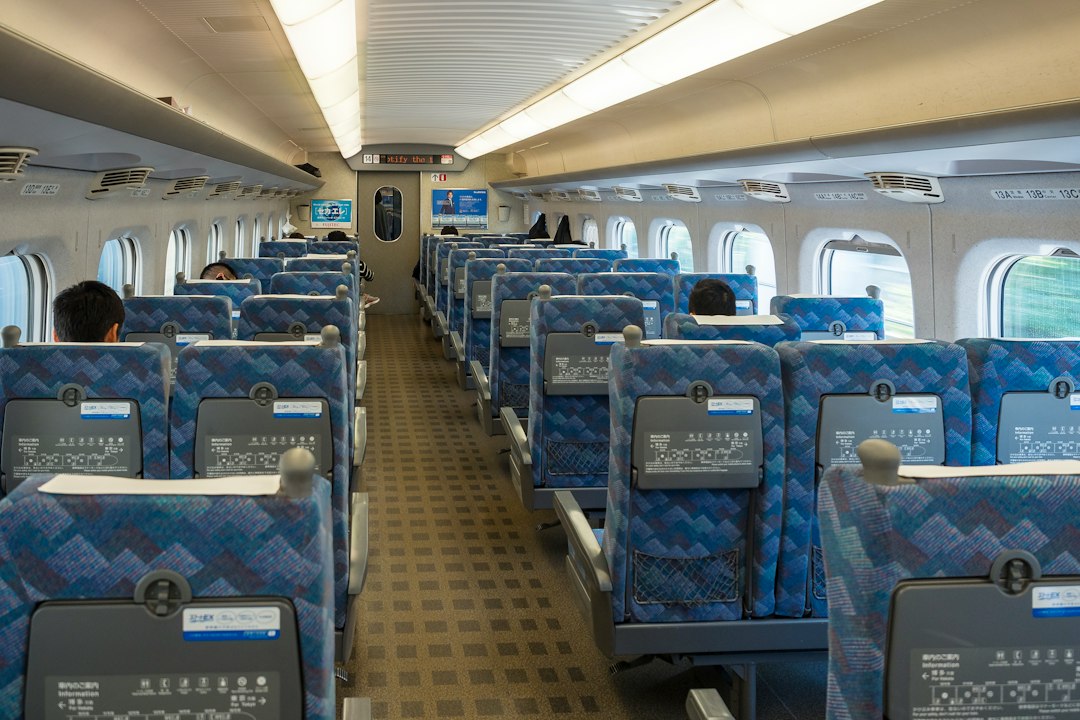
Planning a Japan rail adventure in 2026 and wondering whether to spring for a Green Car JR Pass? You’re not alone. Every year, thousands of travelers weigh the extra yen against the promise of wider seats, quieter carriages, and guaranteed reservations on the Shinkansen. In this guide, we break down the exact JR Pass Green Car upgrade cost as of 2026, compare it to the Ordinary (standard) pass, and help you decide if first-class rail travel fits your budget and travel style.
What Is the Green Car, Exactly?
The Green Car is Japan Railways’ equivalent of first class or business class. Found on Shinkansen bullet trains and many limited express trains, Green Car carriages offer 2-2 seating (instead of 2-3 in Ordinary cars), extra legroom, reclining seats with footrests, reading lights, and a noticeably quieter atmosphere. On some Shinkansen lines you’ll also get complimentary hot towels or snack service, though this varies by route and operator.
JR Pass Prices in 2026: Ordinary vs. Green Car
Following the significant nationwide JR Pass price increase implemented in October 2023, prices have remained at these elevated levels into 2026. Always verify final pricing on the official JR Pass website before booking, as rates can be adjusted with little notice.
Nationwide Japan Rail Pass Pricing (Adult, 2026)
- 7-Day Pass: Ordinary ¥50,000 | Green Car ¥70,000
- 14-Day Pass: Ordinary ¥80,000 | Green Car ¥110,000
- 21-Day Pass: Ordinary ¥100,000 | Green Car ¥140,000
So What’s the Actual Upgrade Cost?
When you isolate the Green Car premium, the numbers look like this:
- 7-Day Pass upgrade: +¥20,000 (about $130-140 USD depending on exchange rate)
- 14-Day Pass upgrade: +¥30,000 (about $200 USD)
- 21-Day Pass upgrade: +¥40,000 (about $270 USD)
Notice that the longer your trip, the higher the flat upgrade cost climbs — but the per-day cost of upgrading actually drops slightly. Averaged out, you’re paying roughly ¥2,800-¥2,900 extra per day of pass validity for Green Car access, regardless of how many trains you actually ride that day.
Child Prices in 2026
Children aged 6-11 pay exactly half the adult fare for both Ordinary and Green Car passes. For example, a 7-day Green Car child pass costs ¥35,000, compared to ¥25,000 for the Ordinary child pass — a ¥10,000 upgrade cost. Children under 6 travel free when accompanied by a paying adult and do not require reservations.
Regional and Regional JR Passes Also Offer Green Car Options
Beyond the nationwide pass, several regional passes issued by JR East, JR West, and JR Hokkaido also include a Green Car tier, typically at a similar 30-40% premium over the ordinary version. If your itinerary is confined to one region — say, the JR East Tohoku Area Pass or the JR West Kansai Wide Area Pass — it’s worth checking whether a regional Green Car option offers better value than the nationwide pass, especially for shorter trips.
How the JR Pass Works in 2026 (Important Update)
As of 2026, the physical paper exchange order system has been phased out in most sales channels. Passes are now primarily issued as an IC-card-style pass linked to your passport, purchased and activated through the official JR Pass website or at designated JR ticket offices (Midori-no-Madoguchi) at major stations and airports. Green Car passes follow the same digital activation process — simply tap in and out at ticket gates, though Green Car seats on Shinkansen still require a seat reservation, which is free of charge and highly recommended to guarantee reserved seating during peak travel seasons like cherry blossom season (late March-early April) and Golden Week (late April-early May).
Buying a One-Off Green Car Upgrade (Without a Pass)
If you’re not purchasing a full JR Pass but still want a taste of Green Car comfort for a single journey, you can simply buy a Green Car ticket directly at any JR ticket counter or via the JR East/JR West apps. This consists of a base fare plus a limited express/Shinkansen surcharge plus a Green Car surcharge. As an example, the Green Car surcharge on the Tokyo-Kyoto Nozomi route is typically an additional ¥5,000-¥6,000 on top of the Ordinary reserved seat fare, depending on distance and train type. For short single trips, paying this surcharge à la carte is often more economical than buying a full Green Car pass.
Is the Green Car Upgrade Worth It in 2026?
Whether the extra cost is justified depends heavily on your itinerary and priorities:
The Green Car Upgrade Makes Sense If:
- You’re traveling during peak season (cherry blossoms, Golden Week, Obon, New Year) when Ordinary reserved cars fill up fast
- You have a long, multi-leg itinerary with several 3+ hour Shinkansen rides (e.g., Tokyo to Hakata)
- You value guaranteed seating, quiet, and extra comfort over saving money
- You’re traveling with a laptop and need reliable workspace and power outlets
- You have mobility considerations or simply want more legroom for a taller frame
The Ordinary Pass Is the Smarter Choice If:
- You’re traveling on a budget and prioritize experiences over transit comfort
- Your itinerary involves mostly short regional hops rather than long Shinkansen runs
- You’re comfortable booking Ordinary reserved seats slightly in advance
- You’re traveling outside peak congestion periods
Money-Saving Tips for Green Car Travelers
- Compare the total cost of individual Green Car ticket surcharges against a full Green Car pass — for shorter trips (under 5 days), paying surcharges à la carte may actually be cheaper.
- Book Green Car reservations as early as possible; while seats are guaranteed with the pass, popular time slots on holidays can still sell out fast.
- Consider a hybrid strategy: buy an Ordinary pass and pay the Green Car surcharge only on your longest, most important legs (e.g., overnight-adjacent long-haul rides).
- Check current JPY exchange rates before purchase, since JR Pass prices are set in yen and your home-currency cost will fluctuate.
Final Verdict
The JR Pass Green Car upgrade cost in 2026 ranges from ¥20,000 to ¥40,000 depending on pass duration — a meaningful but not exorbitant premium for significantly more comfortable, spacious, and reliably-reserved train travel across Japan. For long, multi-city itineraries or travelers who simply want to enjoy Japan’s legendary rail comfort, it’s a worthwhile splurge. For shorter or budget-conscious trips, the Ordinary pass remains the smarter, cost-effective default. Whichever you choose, always double check current pricing on the official JR Pass site, as rates and terms are subject to periodic revision.
Photo by Alexander Schimmeck on Unsplash