Discovering Kitsuki: Kyushu’s Best-Kept Samurai Secret
Tucked away on the Kunisaki Peninsula in Oita Prefecture, Kitsuki Castle Town is one of Kyushu’s most charming yet overlooked destinations. While tourists flock to Kyoto and Kanazawa to experience samurai-era architecture, Kitsuki offers an equally authentic — and far less crowded — glimpse into Japan’s feudal past. Known affectionately as a ‘mini Kyoto,’ this small coastal town preserves its Edo-period layout almost perfectly, with steep stone slopes connecting samurai residences on one hill to a merchant district in the valley below, all crowned by a picturesque castle overlooking Beppu Bay.
This guide covers everything you need to know for an unforgettable visit to Kitsuki, from its fascinating history and top attractions to practical tips on transportation, food, and where to stay.
A Brief History of Kitsuki Castle Town
Kitsuki’s unique urban design dates back to the feudal era, when the Kinoshita clan ruled the domain from Kitsuki Castle. The town was deliberately built with two separate samurai districts — the North Castle Hill (Kita-dai) and South Castle Hill (Minami-dai) — positioned on elevated terrain on either side of a merchant quarter called Tanomachi, which sits in the valley between them. This clever layout, connected by several stone-paved slopes, allowed samurai to maintain social and strategic separation from the merchant class while keeping watch over the town below.
Remarkably, much of this layout survives intact today. Many samurai residences remain standing, some open to the public as museums, while the merchant district retains its traditional wooden shopfronts and narrow lanes. This rare preservation is what makes Kitsuki such a valuable destination for anyone interested in Japanese history and architecture.
Top Things to Do in Kitsuki
Walk the Historic Slopes
The heart of any Kitsuki visit is exploring its famous slopes, including Suja-zaka and Kanko-zaka. These stone-paved paths climb from the merchant town up to the samurai districts and are flanked by earthen walls, hedges, and traditional gates. Walking these slopes, especially in the early morning light or during a light rain, feels like stepping directly into an Edo-period woodblock print.
Visit the Samurai Residences
Several former samurai homes are open to visitors, offering an intimate look at how the warrior class actually lived. The Ohara Residence and Nakashima Residence are particularly well preserved, featuring traditional tatami rooms, gardens, and household artifacts. Many of these homes offer discounted combination tickets, making it affordable to visit several in one day.
Explore Kitsuki Castle
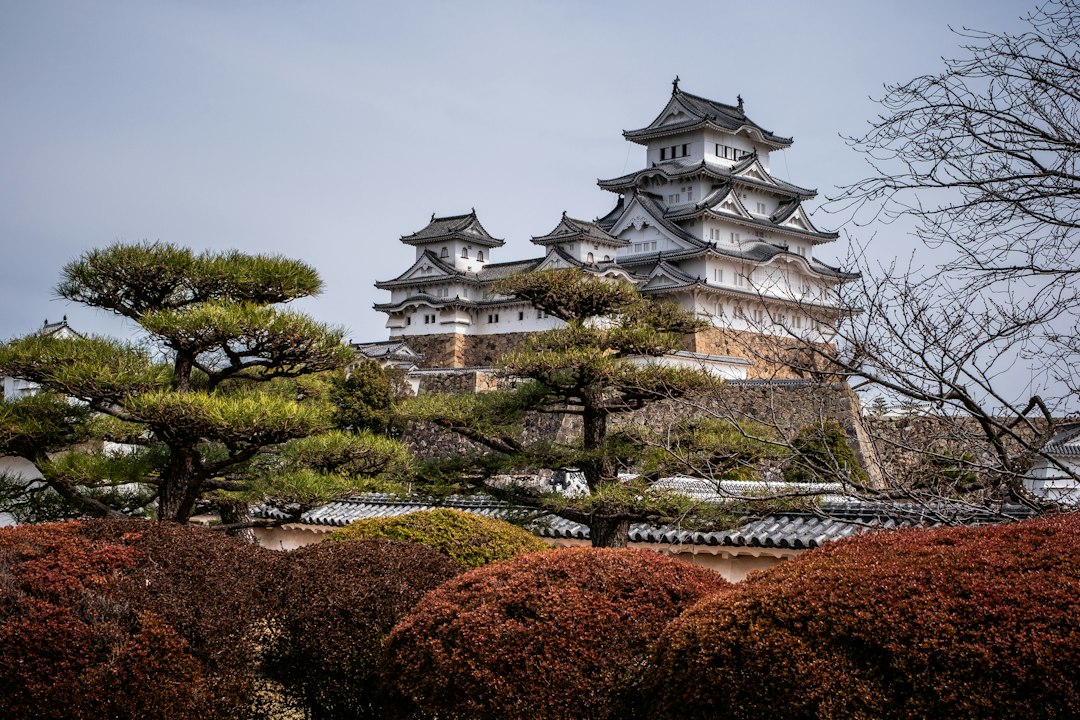
Perched on a small bluff overlooking the river mouth and bay, Kitsuki Castle is a compact reconstructed keep that houses a small museum of local history and samurai artifacts. While the castle itself is modest in scale compared to famous originals like Himeji or Matsumoto, its setting is spectacular, with sweeping views over the town, river, and coastline from the observation floor.
Try on a Kimono
One of Kitsuki’s most popular experiences is kimono rental, offered by several shops near the tourist information center. Dressed in traditional attire, visitors can stroll the samurai slopes and merchant streets for a truly immersive photo experience — a favorite activity for couples, families, and solo travelers alike.
Wander the Merchant District (Tanomachi)
The valley between the two samurai hills preserves a row of traditional merchant houses, some converted into cafes, souvenir shops, and small museums. It’s an easy, flat walk that contrasts nicely with the steeper samurai districts and gives insight into the everyday commercial life that supported the feudal town.
Local Food and Where to Eat
Kitsuki and the surrounding Kunisaki Peninsula are known for fresh seafood from Beppu Bay, as well as local specialties like dango-jiru (a hearty miso soup with flat wheat noodles) and citrus fruits grown in the region’s mild climate. Small family-run restaurants near the castle and merchant district serve teishoku (set meals) featuring local fish, vegetables, and rice. For a quick bite, look for shops selling karaage (Oita-style fried chicken), a prefecture specialty rivaling that of Kitakyushu.
Tea houses within the samurai district also offer a chance to rest with matcha and traditional sweets while overlooking manicured gardens — a peaceful pause between walking tours.
How to Get to Kitsuki
Kitsuki is most easily reached via JR trains along the Nippo Main Line, with Kitsuki Station serving as the gateway. From Oita Station, the journey takes roughly 30 to 40 minutes by limited express train. From Beppu, travel time is similarly short, making Kitsuki an easy day trip from either city.
Note that Kitsuki Station is located several kilometers from the historic castle town center, so visitors typically take a short taxi ride or local bus to reach the samurai district. Renting a car is also a convenient option for travelers exploring the wider Kunisaki Peninsula, which includes other attractions like ancient Buddhist temples and scenic coastal drives.
Best Time to Visit
Kitsuki is a wonderful year-round destination, with each season offering a different atmosphere. Spring brings cherry blossoms to the castle grounds and samurai gardens, while summer’s lush greenery contrasts beautifully with the white stone slopes. Autumn transforms the town with vibrant foliage, especially around the samurai residences, and winter offers quiet, uncrowded streets perfect for leisurely photography. Because Kitsuki remains relatively undiscovered by international tourists, it rarely feels overcrowded at any time of year, making it an excellent choice for travelers seeking a slower, more contemplative experience.
Where to Stay Near Kitsuki
Kitsuki itself offers a handful of charming guesthouses and small inns, some housed in renovated traditional buildings within the merchant district, providing an authentic overnight experience. However, many visitors choose to base themselves in nearby Beppu, famous for its hot spring resorts, or Oita City, which offers more extensive hotel options and transport connections. Both cities make Kitsuki easily accessible as a half-day or full-day excursion.
Tips for Visiting Kitsuki Castle Town
- Wear comfortable shoes — the stone slopes can be steep and slightly uneven in places.
- Purchase a combination ticket for the samurai residences and castle to save money if visiting multiple sites.
- Visit the tourist information center near Suja-zaka slope first to pick up maps and check kimono rental availability.
- Plan for at least three to four hours to properly explore the town, longer if you include lunch or a kimono experience.
- Combine your trip with a visit to the Kunisaki Peninsula’s ancient temples for a fuller day of cultural exploration.
Final Thoughts
Kitsuki Castle Town offers a rare and rewarding escape from Japan’s more crowded historical destinations. Its intact feudal-era layout, scenic stone slopes, and well-preserved samurai residences make it a must-visit for history lovers and photographers exploring Kyushu. Whether you’re coming from Beppu, Oita, or further afield, a day in Kitsuki offers a genuinely immersive step back into Japan’s Edo period, without the crowds found elsewhere. Add this hidden gem to your Kyushu itinerary, and you’ll likely leave wondering why more travelers haven’t discovered it yet.
Photo by Sue Winston on Unsplash