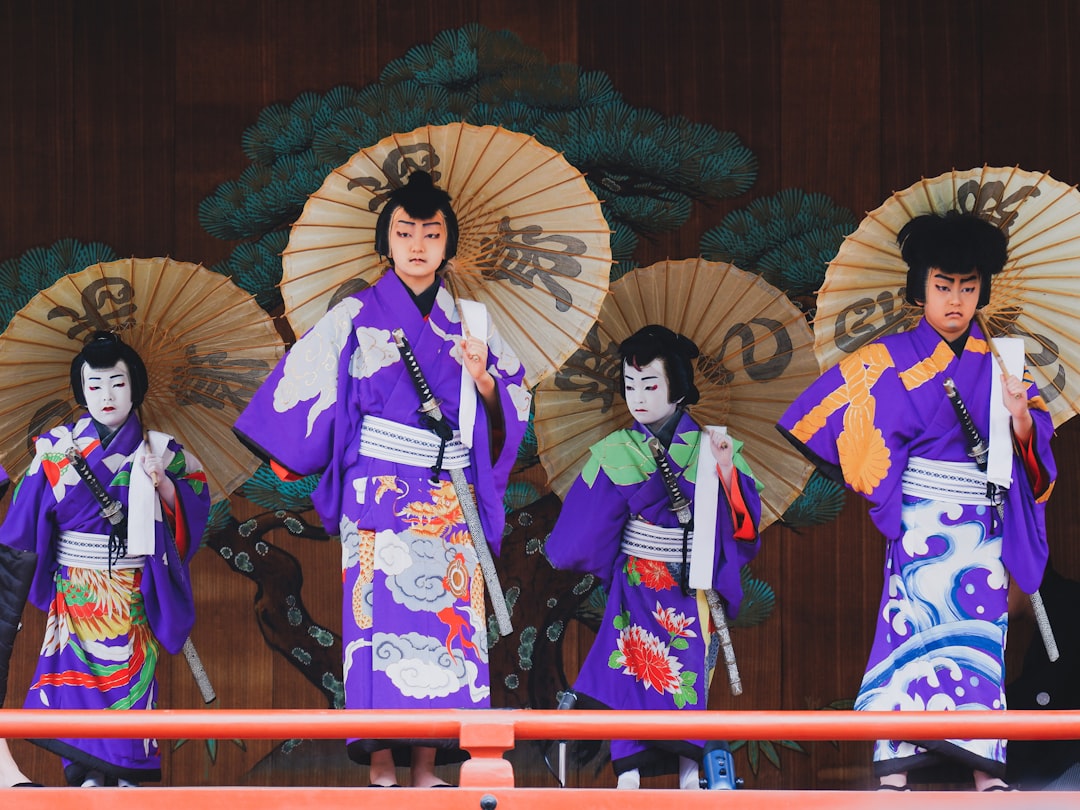

Photo by Susann Schuster on Unsplash
Why Wearing a Yukata at a Japanese Summer Festival is a Must-Do Experience in 2026
Summer in Japan means fireworks, street food stalls, taiko drums, and the unmistakable sight of locals and visitors alike strolling through festival grounds in colorful cotton kimonos called yukata. If you’re planning a trip to Japan between June and September 2026, renting a yukata for a natsu matsuri (summer festival) or hanabi taikai (fireworks display) is one of the most memorable and Instagram-worthy things you can do. This guide covers everything you need to know as of 2026, including updated rental prices, top rental shops in Tokyo, Kyoto, and Osaka, booking tips, and etiquette so you can enjoy the experience like a pro.
Yukata vs Kimono: What’s the Difference?
Many first-time visitors confuse yukata with kimono, but they are quite different. A yukata is a lightweight, unlined cotton or synthetic-blend robe designed specifically for hot summer weather. Unlike formal silk kimono, yukata are casual, easy to put on, breathable, and much more affordable to rent or buy. They are the go-to choice for festivals, fireworks shows, and evening strolls in yukata-friendly districts like Asakusa, Gion, and Dotonbori.
Key Features of a Yukata
- Made from cotton or cotton-polyester blends for breathability
- Secured with a simple obi (sash) rather than multiple layers
- Worn with geta (wooden sandals) instead of formal zori
- Typically priced far lower than silk kimono rental
How Much Does Yukata Rental Cost in 2026?
As of 2026, yukata rental prices in major tourist areas remain reasonably affordable compared to formal kimono rental. Expect to pay roughly the following, though prices vary by shop, season, and included accessories:
- Basic yukata set (yukata, obi, geta): approximately 3,500–5,500 JPY per person
- Standard set with obi accessories and bag: approximately 5,000–7,500 JPY
- Premium/designer yukata with hair styling included: approximately 8,000–12,000 JPY
- Couple or family discount packages: many shops offer 10–20% off for groups of two or more
Prices tend to rise slightly during peak festival weekends in July and August, and popular fireworks festival dates (hanabi taikai) can sell out rental slots days in advance, so booking ahead is strongly recommended. Always confirm current pricing directly with the shop, as rates can change seasonally—checking official rental shop websites or booking platforms before your visit is the safest approach in 2026.
What’s Typically Included in a Rental Package
Most yukata rental shops catering to tourists offer all-inclusive packages so you don’t need to bring anything. A standard package usually includes:
- Yukata robe in your chosen pattern and color
- Obi sash (often with a decorative pre-tied bow for beginners)
- Geta sandals in your shoe size
- A small drawstring bag or kinchaku to carry your phone and wallet
- Basic hair accessories (kanzashi) for an additional small fee
Some higher-end shops also offer professional hair styling, light makeup application, and photography add-ons, which are popular for creating memorable festival photos.
Best Places to Rent a Yukata in Japan for Summer Festivals
Tokyo: Asakusa
Asakusa, home to Senso-ji Temple, is the most popular yukata rental hub in Tokyo, especially convenient for festivals like the Sumida River Fireworks Festival. Shops here cater heavily to English-speaking tourists, with staff who can help you dress in minutes.
Kyoto: Gion and Arashiyama
Kyoto is arguably the best place in Japan to wear a yukata, thanks to its traditional streetscapes. Gion and Arashiyama have dozens of rental shops offering same-day rental with return by evening, perfect for visiting the Gion Matsuri or Kyoto’s summer lantern festivals.
Osaka: Dotonbori and Shinsekai
Osaka’s vibrant Dotonbori district has budget-friendly yukata rental shops, ideal if you’re heading to Tenjin Matsuri, one of Japan’s three greatest festivals, held every July.
Other Festival Hotspots
- Fukuoka – Hakata Gion Yamakasa
- Nagano/Gifu – regional summer festivals with fewer crowds
- Yokohama – Yokohama Hanabi Taikai near Minato Mirai
Step-by-Step: How to Rent a Yukata
- Book online in advance: Many popular shops allow reservations through their websites or platforms like Klook and Voyagin, especially useful for July and August weekends in 2026 when demand is highest.
- Arrive early: Dressing typically takes 15–30 minutes, and shops get busy in the afternoon before festivals begin.
- Choose your pattern: Staff will help you select a yukata design, often based on the season, your age, and personal style preference.
- Get dressed with assistance: Staff will tie your obi and help you put on geta sandals correctly.
- Set a return time: Most rentals require same-day return, usually by early evening (around 6–8 PM), though some shops offer overnight rental for an extra fee.
Tips for Choosing Colors and Patterns
Traditionally, brightly colored yukata with floral patterns are worn by younger women, while men and older visitors often choose navy, indigo, or striped designs. However, in 2026 there’s no strict rule—shops offer wide selections for all genders and ages, including modern patterns like geometric prints or pastel colors for a more contemporary look. Choose what makes you feel comfortable and matches the festival’s aesthetic.
Practical Tips for Wearing a Yukata Comfortably
- Wear appropriate undergarments: A simple slip or tank top and shorts underneath help with comfort and modesty.
- Practice walking in geta: These wooden sandals take some getting used to—take small steps and avoid rushing on stairs.
- Stay hydrated: Japanese summers are hot and humid; carry a portable fan (uchiwa) and water bottle.
- Mind bathroom breaks: Using the restroom in a yukata takes practice—ask rental shop staff for tips before you go.
- Getting to the festival: Use an IC card such as Suica or Pasmo for smooth transport; as of 2026, most tourists can use the digital Welcome Suica on smartphones, though physical card compatibility with foreign-issued cards has expanded but still varies by device, so check official East Japan Railway sources before your trip.
Yukata Etiquette at Summer Festivals
- Keep the left side of the yukata folded over the right (right-over-left is reserved for funerals)
- Avoid overly wide strides due to the narrow cut of the garment
- Be mindful when sitting—smooth the fabric to avoid wrinkling
- It’s polite to remove geta before entering tatami-floored areas
Frequently Asked Questions
Do I need to book yukata rental in advance for 2026 festivals?
Yes, especially for major fireworks festivals in July and August. Popular Asakusa and Gion shops can sell out same-day slots, so online booking a few days ahead is recommended.
Can men rent yukata too?
Absolutely. Most shops offer men’s yukata sets with matching obi and geta, often at similar or slightly lower price points than women’s sets.
Is yukata rental suitable for children?
Yes, many shops offer child-sized yukata sets, making it a fun family activity for summer festivals.
What happens if it rains while wearing a rented yukata?
Cotton yukata can handle light rain, but most shops provide simple umbrellas or ponchos. Heavy rain may require adjusting your festival plans, so check the forecast before dressing.
Final Thoughts
Renting a yukata for a Japanese summer festival is an affordable, fun, and culturally enriching experience that instantly elevates your trip photos and memories. With advance booking, comfortable footwear practice, and a bit of etiquette knowledge, you’ll blend right in with locals enjoying hanabi, food stalls, and taiko performances across Japan’s 2026 festival season. As always, confirm current prices and booking policies directly with rental shops before your visit, since rates and availability can shift with demand each season.