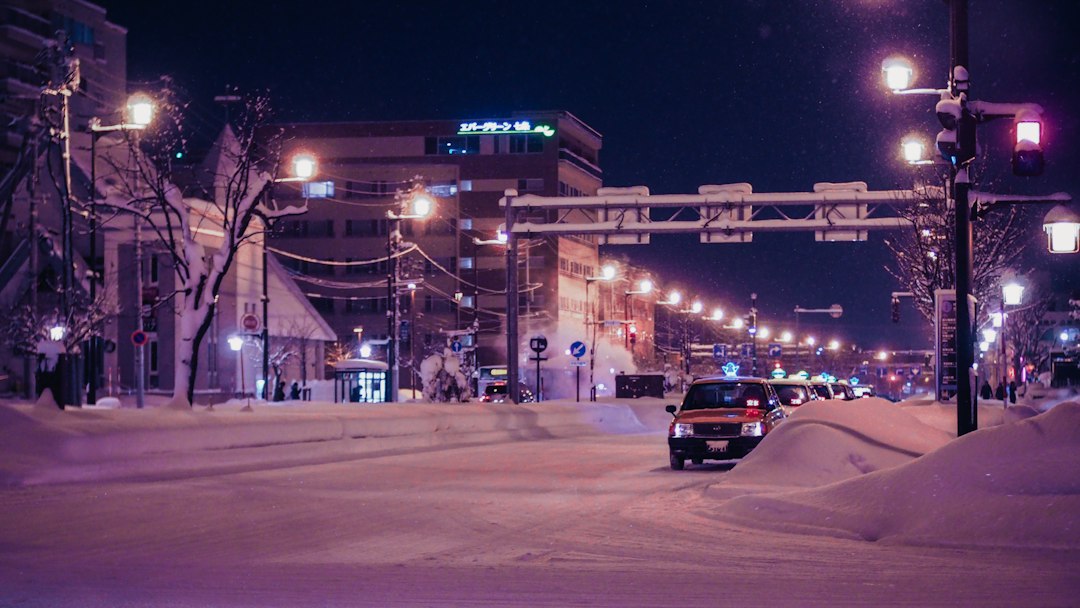
Sapporo in early December sits around 1°C for a high and -4°C overnight, but by December 29-31 those numbers drop fast — expect highs near -2°C and lows of -8°C to -10°C on clear nights, especially if a cold front rolls in from Siberia right before New Year. That’s the single thing most people underestimate: “December” in Hokkaido covers two very different climates, the relatively mild early weeks and the genuinely harsh stretch from Christmas through New Year’s, which is exactly when most readers of this post are flying in.
How cold does it actually get, city by city
Sapporo is the mildest of Hokkaido’s major cities simply because it’s coastal and lower elevation. Asahikawa, about 1 hour 25 minutes inland by JR Limited Express Lilac from Sapporo Station, routinely drops to -15°C overnight in late December and has recorded below -20°C. Niseko, reached via JR Hakodate Line to Kutchan Station (around 2.5 hours from Sapporo, or 2 hours by direct bus from New Chitose Airport), sits in a similar range to Asahikawa but feels colder because of constant wind and heavy snowfall — this is peak powder season and lift operators there start running gondolas by early December. Hakodate, on the southern tip, is noticeably milder than Sapporo, often 3-4°C warmer, because it’s surrounded by sea on three sides. If your itinerary includes Shiretoko or Abashiri, know that the famous drift ice (ryuhyo) hasn’t arrived yet in December — that’s a late January/February phenomenon — but the cold there is already brutal, with Abashiri averaging -9°C highs by month’s end.
Windchill is the real enemy, not the thermometer
The number on your phone’s weather app lies to you in Hokkaido. A -5°C day with the flat, steady wind that blows across Odori Park or along the waterfront in Hakodate’s Motomachi district feels closer to -12°C on exposed skin. Locals judge the day by wind, not temperature — if there’s no wind, -8°C in Sapporo is genuinely tolerable in a mid-weight coat; with wind, the same temperature needs a proper insulated parka. Check the wind speed forecast, not just the high/low, before deciding how many layers you need for a day outdoors at places like the Sapporo Snow Festival site prep areas or Odori Park’s White Illumination (held roughly late November through December 25, free entry, open until around 10pm).
What actually keeps you warm: the layering system that works
Skip the single thick coat approach — it fails indoors. Hokkaido buildings, trains, and even convenience stores run their heating hard, often 24-26°C inside, so you’ll be stripping layers constantly. The system that works for me every trip:
- Base layer: Uniqlo HEATTECK Extra Warm (around ¥1,990) — available at the big Uniqlo on Minami 1-jo near Tanukikoji in Sapporo if you forget to pack one.
- Mid layer: A fleece or thin down vest, something you can shove in a daypack once you’re inside a heated restaurant.
- Outer layer: A genuine winter parka rated for at least -10°C, with a hood that cinches — not a fashion coat. If you don’t own one, Workman (a Japanese workwear chain with a branch near Sapporo Station’s Esta building) sells functional insulated jackets from about ¥5,000-¥8,000, cheaper than most outdoor brands.
- Legs: Heattech leggings under regular pants. Jeans alone against -10°C wind are miserable within ten minutes of walking from, say, the Susukino subway exit to your hotel.
Footwear is where people actually fail
Sapporo’s sidewalks get what locals call “tsurutsuru” (slick-slick) ice — compacted snow that melts slightly in daytime sun and refreezes overnight into a glass-like sheet, especially on the side streets off Ekimae-dori. Regular sneakers or city boots will have you falling within a day. Buy slip-on ice grips (sold as “suberidome” or spike attachments) for about ¥500-¥1,000 at any Don Quijote or Homac hardware store — the Don Quijote on the Tanukikoji arcade stocks them through the whole winter. Boots themselves should have at least 15-20cm of insulated height, a rubber (not just leather) sole with deep tread, and be large enough to fit a thick wool sock plus a toe-warmer heat pack without compressing the insulation, which kills its effectiveness.
Small items that matter more than people expect
- Kairo (disposable heat packs): Sold in boxes of 10 for roughly ¥300-¥500 at any Seicomart (Hokkaido’s dominant convenience store chain) — stick one on your lower back and one on each foot before a long outdoor stretch like watching the Sapporo Snow Festival setup or walking Hakodate’s Mount Hakodate ropeway queue.
- Lip balm and a hand cream: The air indoors and out is extremely dry; humidity in Sapporo in December regularly sits below 50%.
- A neck gaiter or scarf you can pull over your nose: cheaper and more versatile than a balaclava, and doesn’t look out of place at Shiroi Koibito Park or Otaru’s canal area.
- Sunglasses: snow glare on clear days around Niseko or the Jozankei Onsen valley is genuinely bright.
New Year-specific packing notes
If you’re timing a trip around hatsumode (the first shrine visit of the year) at a place like Hokkaido Jingu in Maruyama Park, you’ll be standing in an outdoor queue for 20-40 minutes past midnight on December 31 into January 1 — this is the single coldest sustained outdoor exposure most tourists experience in Hokkaido. Bring everything: full parka, two heat packs already activated in your pockets, a thermos of hot tea if your ryokan can fill one. Also note that many restaurants and smaller shops close for New Year (shogatsu) from around December 30 to January 3, so pack snacks for travel days and don’t assume you’ll find an open izakaya on January 1 outside the main train station areas.
One caveat before you overpack
Don’t buy a full Arctic-grade expedition parka just for city sightseeing — it’s overkill for Sapporo or Hakodate streets and you’ll be sweating the moment you step into a heated train car on the JR Rapid Airport line from New Chitose Airport (37 minutes to Sapporo Station, about ¥1,150 one-way). Reserve the heaviest gear for actual outdoor activities like the Niseko slopes or Asahiyama Zoo’s outdoor exhibits, and rely on the layering system elsewhere — you’ll be removing and carrying your mid-layer indoors more often than you think, so make sure whatever you bring actually compresses small enough to stuff into a daypack.
Photo by Plainery n. on Unsplash