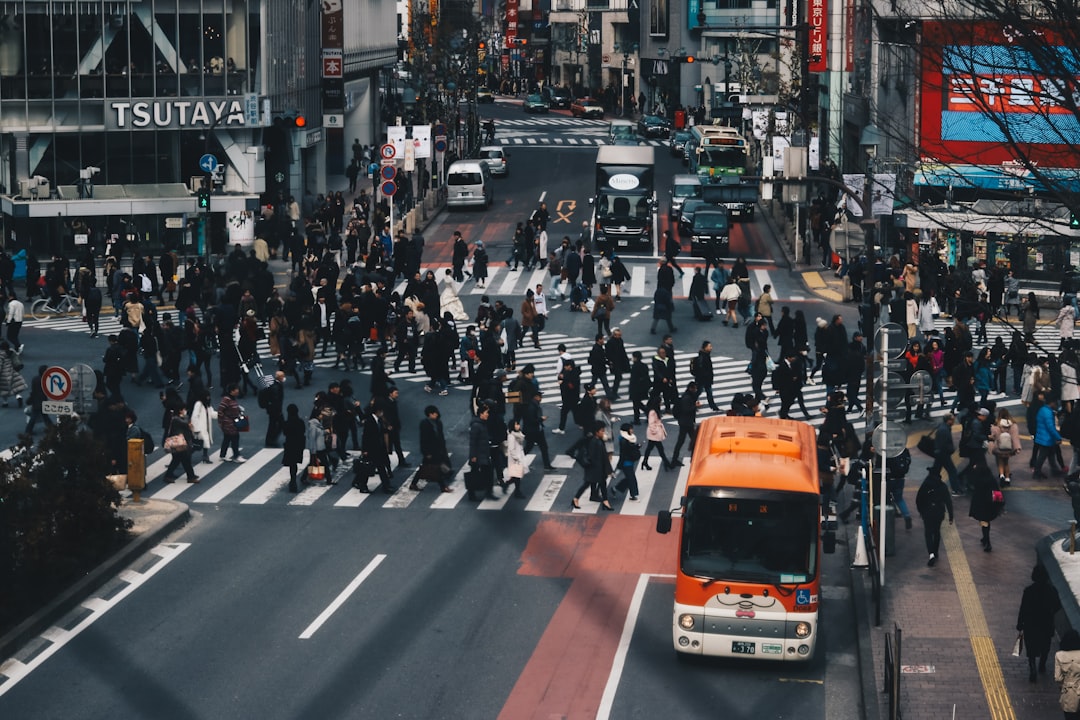
Japan is one of the safest countries in the world for travelers, but it also sits on the Pacific Ring of Fire, making it prone to earthquakes, typhoons, tsunamis, and occasional volcanic activity. As of 2026, the Japanese government and private developers have significantly improved multilingual disaster alert systems specifically designed for foreign visitors. Whether you’re exploring Tokyo’s neon streets or hiking near Mount Fuji, having the right disaster alert apps installed on your smartphone before you land could genuinely save your life. This guide covers the essential apps every tourist should download in 2026, how they work, and what to do when an alert sounds.
Why Disaster Preparedness Matters for Tourists in Japan
Japan experiences thousands of minor earthquakes every year, and while most go unnoticed, occasional major quakes, typhoons (especially between June and October), and heavy snowfall in winter can disrupt travel plans or pose safety risks. Unlike residents, tourists often can’t read Japanese emergency broadcasts, don’t know evacuation routes, and may not understand local sirens or announcements. This is exactly the gap that dedicated disaster alert apps aim to fill, offering real-time, multilingual push notifications wherever you are in the country.
Top Natural Disaster Alert Apps for Tourists (2026 Edition)
1. Safety Tips (Japan Tourism Agency)
Developed by the Japan Tourism Agency and Japan National Tourism Organization (JNTO), Safety Tips remains the gold-standard app for foreign visitors in 2026. It delivers push notifications in 15 languages including English, Chinese, Korean, and Spanish, covering earthquakes, tsunamis, extreme weather, volcanic eruptions, and even missile alerts (J-Alert). The app also includes an offline phrasebook for emergencies, a map of nearby evacuation shelters, and links to embassy contact information. It’s free and available on both iOS and Android app stores.
2. NERV Disaster Prevention (NERV Bosai)
Originally a fan project inspired by the anime Evangelion, NERV Disaster Prevention has become one of the most trusted real-time alert apps used by residents and tourists alike. As of 2026, it offers instant notifications for earthquakes, tsunami warnings, and severe weather with minimal delay, often faster than mainstream media. While the interface is partly in Japanese, the alert icons and color-coded severity levels (yellow, orange, red) are intuitive enough for non-Japanese speakers to understand at a glance.
3. Yurekuru Call
Yurekuru Call specializes in earthquake early warnings, sending alerts seconds before shaking reaches your location based on seismic data. This head start, even just 5-15 seconds, can be enough to move away from windows, drop under a table, or brace yourself. The app supports English language settings and is particularly useful in earthquake-prone regions like Tokyo, Osaka, and along the Pacific coast.
4. Japan Official Travel App (by JNTO)
Updated for 2026, the Japan Official Travel App now integrates disaster alert functionality directly into its trip-planning features. Alongside train schedules, restaurant recommendations, and offline maps, it pushes emergency notifications relevant to your current GPS location. This makes it a convenient all-in-one option for travelers who don’t want to juggle multiple apps.
5. Weathernews & Japan Weather Association Apps
For typhoon season (roughly June through October), dedicated weather apps like Weathernews (available in English) provide detailed typhoon tracking, rainfall intensity maps, and river flooding alerts. These are especially useful if you’re traveling through Kyushu, Okinawa, or coastal regions where typhoons make frequent landfall.
How to Set Up These Apps Before Your Trip
- Download apps via Wi-Fi before arriving in Japan, since app stores may behave differently once you’re on a Japanese carrier network.
- Enable location permissions and push notifications immediately after installation so alerts trigger automatically.
- Set your preferred language in each app’s settings menu, most support English by default in 2026.
- Consider getting a Japan travel eSIM or physical SIM with data before arrival, since Wi-Fi alone won’t reliably deliver real-time alerts. Many providers now offer eSIMs compatible with iPhone and Android that activate instantly upon landing.
- Test the apps once you land, some alerts include a demo or test mode so you understand what a real notification looks and sounds like.
Understanding Japan’s Alert Types
Earthquake Early Warning (EEW)
Japan’s Meteorological Agency issues Earthquake Early Warnings through both apps and cell broadcast (a loud, distinct alarm sound that plays automatically on most smartphones, even without an app, if your phone’s emergency alert setting is enabled). If you hear this sound, immediately protect your head and neck and move away from windows or heavy furniture.
Tsunami Warnings
If you’re near the coast and feel a strong or prolonged earthquake, do not wait for an official alert, move to higher ground immediately. Apps like Safety Tips will also issue tsunami warnings with estimated wave arrival times and evacuation zone maps.
Typhoon and Heavy Rain Alerts
Typhoon alerts typically come with several days of advance notice. Apps will indicate whether train and flight cancellations are likely, which is crucial information for adjusting your itinerary in advance.
J-Alert (National Warning System)
J-Alert covers a broader range of emergencies including missile alerts and large-scale disasters. While rare, these notifications are broadcast loudly through both apps and public speaker systems in cities and towns.
What to Do When You Receive an Alert
- Stay calm and read the notification carefully, most 2026 apps now offer instant English translation of the alert text.
- Follow instructions from hotel staff, station personnel, or local signage, they are trained for these situations.
- Locate the nearest designated evacuation site using your app’s map feature; these are usually marked with a green pictogram symbol found throughout Japanese cities.
- Keep your phone charged, a portable power bank is highly recommended, especially during typhoon season when power outages can occur.
- Register with your embassy’s travel advisory service before your trip so they can contact you during a major emergency.
Additional Tips for a Safer Trip in 2026
Many hotels and ryokan now provide multilingual disaster guides in guest rooms, so it’s worth reviewing these upon check-in. Convenience stores like 7-Eleven and Lawson often serve as informal community hubs during emergencies, offering supplies and sometimes charging stations. If you’re traveling with a rental car, download offline maps in advance since GPS and data connectivity can be disrupted during major disasters.
It’s also worth noting that as of 2026, Japan’s disaster alert infrastructure continues to improve, with increased AI-driven translation accuracy and faster notification delivery. However, technology should never fully replace common sense: always research the disaster history of your destination region, follow local news channels, and heed advice from tour guides or hotel staff during your stay.
Final Thoughts
While the odds of encountering a major natural disaster during a short visit to Japan remain low, being prepared costs nothing and could make all the difference in an emergency. Downloading apps like Safety Tips, NERV Disaster Prevention, and Yurekuru Call before your 2026 trip ensures you’ll receive timely, multilingual alerts no matter where your Japan adventure takes you. Combine these digital tools with basic situational awareness, and you’ll be well-equipped to enjoy Japan’s incredible culture, food, and scenery with total peace of mind.
Photo by Manuel Cosentino on Unsplash