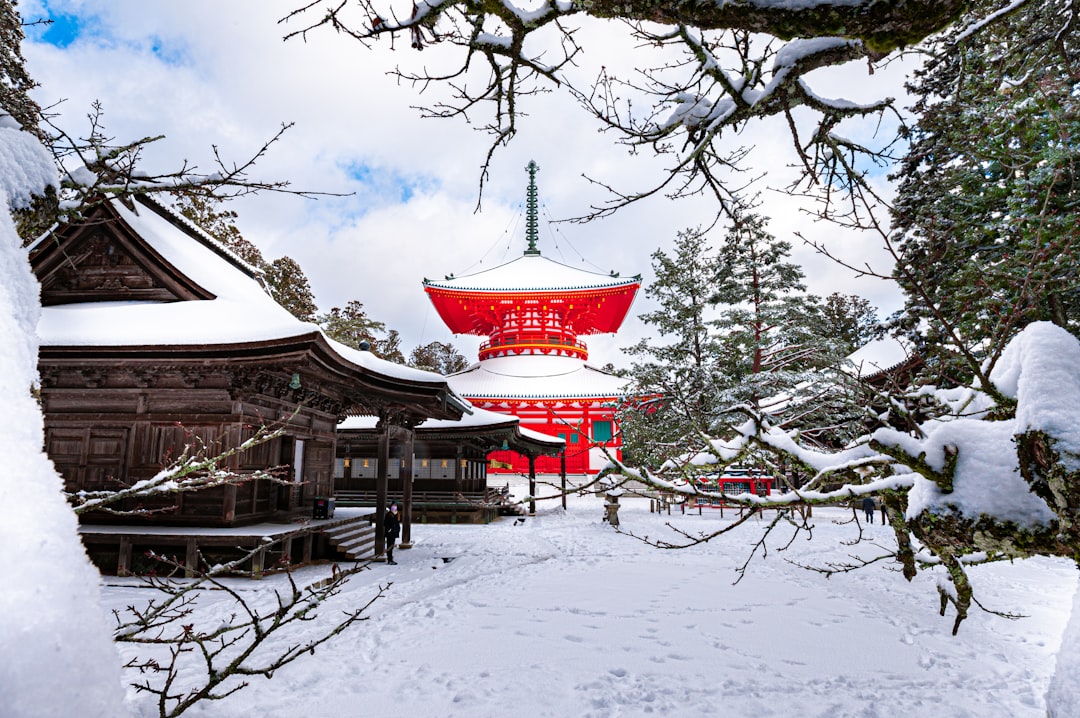

Photo by Samuel Berner on Unsplash
Welcome to Ginzan Onsen: Japan’s Fairytale Snow Town
Tucked away in the mountains of Yamagata Prefecture, Ginzan Onsen is one of Japan’s most enchanting hot spring towns. With its gas-lit streets, wooden ryokan lining a narrow river, and steam rising from onsen pipes into the crisp mountain air, this small village looks like it was plucked straight from a Studio Ghibli film. In fact, Ginzan Onsen is widely believed to have inspired the bathhouse setting in Hayao Miyazaki’s beloved movie Spirited Away, adding an extra layer of magic for visitors who grew up with the film.
This guide covers everything you need to know to plan an unforgettable visit to Ginzan Onsen, from how to get there and where to stay, to the best things to do and insider tips for making the most of your trip.
Where Is Ginzan Onsen and How to Get There
Ginzan Onsen is located in Obanazawa City, Yamagata Prefecture, in the Tohoku region of northern Japan. While it feels wonderfully remote, it’s surprisingly accessible from major cities.
- From Tokyo: Take the Yamagata Shinkansen (bullet train) from Tokyo Station to Oishida Station, which takes roughly 2.5 to 3 hours.
- From Oishida Station: Transfer to a local bus bound for Ginzan Onsen, a scenic ride of about 40 minutes through rice fields and forested hills.
- By car: If you’re renting a car in Yamagata, the drive from Yamagata City takes approximately one hour, though parking near the village itself is limited, so most visitors park at a designated lot slightly outside the town and walk in.
Because the village is car-free at its core, the final approach to Ginzan Onsen is always on foot, which only adds to its old-world charm.
Why Ginzan Onsen Is So Special
Ginzan Onsen translates to “Silver Mountain Hot Spring,” a nod to the silver mines that once operated in the area centuries ago. When the mines closed, the town reinvented itself as a hot spring resort, and the wooden ryokan buildings you see today were largely constructed in the early twentieth century. Many still feature their original Taisho-era architecture, with multi-story wooden facades, ornate balconies, and traditional latticework.
What makes Ginzan Onsen truly unique is its atmosphere. Unlike larger onsen towns that have modernized extensively, Ginzan Onsen has preserved its historic streetscape almost entirely. Gas lamps line the main street and are lit each evening, casting a warm glow over the wooden buildings and the small river that runs through the center of town. The result is a scene that feels frozen in time, especially magical after dark or when snow blankets the rooftops.
Best Time to Visit Ginzan Onsen
Ginzan Onsen is a year-round destination, but each season offers a distinctly different experience.
Winter: The Iconic Snow Town Experience
Winter is when Ginzan Onsen truly earns its reputation as a snow town. Heavy snowfall blankets the wooden buildings and gas lamps, creating the postcard-perfect scenery the town is famous for. Evening visits during winter are particularly magical, as the combination of snow, lamplight, and steam from the hot springs creates an almost otherworldly ambiance. If you’re hoping to capture that classic Ginzan Onsen photograph, winter is the season to visit.
Autumn: Colorful Foliage
Autumn brings vibrant red and orange foliage to the surrounding mountains, creating a beautiful contrast with the wooden architecture of the town.
Spring and Summer: Lush Greenery and Fewer Crowds
Spring and summer offer a quieter, greener version of Ginzan Onsen, with fresh mountain air and blooming flora. These seasons are ideal for travelers who prefer a more peaceful visit without the winter crowds.
Top Things to Do in Ginzan Onsen
Stroll the Main Street at Dusk
The single most recommended activity in Ginzan Onsen is simply walking along the main street as the gas lamps are lit in the early evening. This is when the town’s atmosphere peaks, and it’s a moment many travelers describe as one of the most memorable of their entire Japan trip.
Soak in a Traditional Ryokan Onsen
Most ryokan in Ginzan Onsen offer private or communal hot spring baths fed by the same mineral-rich waters that gave the town its name. Staying overnight allows you to enjoy the baths without the day-trip crowds, often with mountain or riverside views.
Visit the Public Foot Bath
For day-trippers who aren’t staying overnight, Ginzan Onsen has a free public foot bath (ashiyu) near the town center where you can soak your feet in warm mineral water while taking in the scenery.
Explore Shirogane Falls
A short walk from the main village leads to Shirogane Falls, a scenic waterfall accessible via a walking trail that starts near the top of the town. The trail is especially beautiful in autumn and provides a nice contrast to the built-up main street.
Browse Local Shops and Cafes
Small shops throughout the village sell local crafts, snacks, and souvenirs, including regional specialties like curry senbei (rice crackers) and various Yamagata treats. Cozy cafes offer a warm place to rest between sightseeing.
Try an Onsen Tamago
Look for vendors selling onsen tamago, eggs slow-cooked in the natural hot spring water, resulting in a uniquely creamy texture. It’s a simple but memorable local snack.
Where to Stay in Ginzan Onsen
Staying overnight in one of Ginzan Onsen’s traditional ryokan is highly recommended, as it allows you to experience the town without the day-trip crowds and to enjoy the atmosphere in the early morning and late evening. Many ryokan here have operated for generations and offer kaiseki-style multi-course dinners featuring local Yamagata ingredients, along with in-room or shared onsen baths.
Because Ginzan Onsen is small and popular, especially during winter, it’s wise to book accommodations well in advance, particularly for weekend stays or visits during peak snow season.
Practical Tips for Visiting Ginzan Onsen
- Wear proper footwear: Streets can be icy and snow-covered in winter, so boots with good grip are essential.
- Arrive before sunset: To catch the gas lamps being lit and enjoy both daylight and evening views, arrive in the afternoon.
- Carry cash: Many small shops and some ryokan in this rural area may not accept credit cards.
- Check bus schedules: Buses to and from Oishida Station can be infrequent, so plan your return trip in advance.
- Consider a day trip vs overnight stay: If your schedule allows, staying overnight offers a far richer experience than a quick day visit.
- Respect the quiet atmosphere: Ginzan Onsen is a residential and working hot spring town, so keep noise levels considerate, especially in the evening.
Combining Ginzan Onsen with Other Yamagata Destinations
Ginzan Onsen pairs well with other attractions in Yamagata Prefecture. Consider adding the sacred mountain temple of Yamadera, known for its dramatic cliffside structures and long stone stairway, or exploring Yamagata City itself for local cuisine and culture. Travelers interested in nature might also look into the Zao Onsen area, another notable hot spring destination in the region known for its ski resort and unique “snow monster” ice-covered trees in winter.
Final Thoughts
Ginzan Onsen offers a rare glimpse into a Japan that feels untouched by time, where wooden ryokan, gas lamps, and mountain hot springs combine to create scenery that feels almost cinematic. Whether you visit for a few hours or stay overnight to soak in its historic baths, Ginzan Onsen is an essential addition to any Tohoku itinerary and one of Japan’s most photogenic and memorable travel experiences.