Activating Your JR Pass at Kyoto Station in 2026: The Complete Guide
If you’re planning a trip through the Kansai region in 2026, Kyoto Station is one of the most convenient places to activate your Japan Rail Pass. As one of the busiest and best-equipped JR stations in the country, Kyoto Station offers multiple exchange counters, English-speaking staff, and quick access to Shinkansen platforms. This guide walks you through exactly how to activate your JR Pass at Kyoto Station in 2026, including updated pricing, required documents, and the new QR-code ticket gate system now used across most JR stations.
What Is the JR Pass and Why Activation Matters
The Japan Rail Pass (JR Pass) is a discounted rail pass exclusively for foreign tourists visiting Japan on a ‘Temporary Visitor’ visa status. It grants unlimited rides on most JR trains nationwide, including many Shinkansen lines (excluding Nozomi and Mizuho services). However, simply purchasing an exchange order online is not enough — you must activate (exchange) it in person at a designated JR ticket office before you can start using it.
2026 JR Pass Pricing (Following the October 2023 Price Increase)
- 7-Day Ordinary Pass: ¥50,000 (adult)
- 14-Day Ordinary Pass: ¥80,000 (adult)
- 21-Day Ordinary Pass: ¥100,000 (adult)
- Green Car (first class) passes cost significantly more — expect roughly ¥70,000 for 7 days
- Children aged 6-11 pay half price
As of 2026, prices remain at these post-2023 levels, but always double-check the official Japan Rail Pass website before your trip, as fare adjustments can occur with little notice.
Where to Activate Your JR Pass at Kyoto Station
Kyoto Station has a dedicated JR Ticket Office (Midori no Madoguchi) as well as a JR West Travel Service Center that can process JR Pass exchanges. Here’s where to find them:
- Central Ticket Gate Area: The main Midori no Madoguchi is located near the central concourse, close to the Shinkansen central ticket gates.
- Hachijo-guchi (South Exit) Travel Service Center: This is often less crowded and specifically caters to foreign tourists, with dedicated JR Pass exchange counters and multilingual staff.
- Shinkansen Ticket Office: Located right before the Shinkansen gates, useful if you’re activating your pass right before boarding a bullet train.
Opening hours are typically from 5:30 AM to 11:00 PM, but service counters for JR Pass exchange usually operate from around 8:00 AM to 8:00 PM. Since queues can be long during peak travel seasons (cherry blossom season in spring and autumn foliage season), arrive early or avoid activating your pass during rush hours.
Step-by-Step: How to Activate Your JR Pass at Kyoto Station
Step 1: Bring the Required Documents
- Your Exchange Order (voucher) purchased online or through an authorized agent
- Your passport, showing the ‘Temporary Visitor’ entry stamp or digital immigration record
- Payment method if you’re purchasing the pass directly at the counter (credit cards are now widely accepted, though it’s cheaper to buy exchange orders online in advance)
Step 2: Locate the Correct Counter
Head to either the central Midori no Madoguchi or the Hachijo-guchi Travel Service Center. Signage in English clearly marks these counters, and station staff can point you in the right direction if needed.
Step 3: Fill Out the Application Form
You’ll need to complete a short form with your name, passport number, and desired start date for your JR Pass. Note that you can choose to activate the pass on a future date (within one month of exchange), which is useful if you’re not starting your rail journey immediately.
Step 4: Receive Your Physical JR Pass
Once processed, you’ll receive a physical paper pass (green for Green Car, orange for Ordinary) with your name, passport number, and validity dates printed on it. As of 2026, JR Pass remains a physical ticket at most stations, though some pilot programs have tested digital integration — always check the official website for the latest updates on digital JR Pass rollout.
Step 5: Make Your First Seat Reservation (Optional but Recommended)
While your JR Pass allows unreserved seating on many trains, reserving seats for popular routes (like Kyoto to Tokyo or Kyoto to Hiroshima) is highly recommended, especially during peak seasons. Seat reservations are free with the JR Pass and can be made at the same counter immediately after activation.
Using the New QR Code Ticket Gates in 2026
Since 2023, JR has been rolling out QR-code compatible ticket gates at major stations, including Kyoto Station. Instead of showing your paper pass to a staffed gate attendant, you may now simply scan the QR code printed on your JR Pass at automated ticket gates. This significantly speeds up entry and exit, especially during busy periods. However, staffed gates are still available at all stations for travelers who prefer manual verification or encounter QR scanning issues.
JR Pass and IC Card Compatibility in 2026
Many travelers wonder whether they can combine their JR Pass with an IC card like Suica or Pasmo. As of 2026, the JR Pass and IC cards remain separate systems — the JR Pass covers your long-distance and JR line travel, while an IC card (physical or mobile) is best used for subway lines, buses, and convenience store purchases not covered by the pass. Good news for iPhone users: Suica can now be added directly to Apple Wallet from many overseas Apple IDs, and Welcome Suica cards remain available for tourists at Kyoto Station’s JR ticket offices and vending machines. We recommend carrying both: your JR Pass for intercity rail travel and a Suica (physical or mobile) for everyday convenience in Kyoto and beyond.
Common Mistakes to Avoid
- Forgetting your passport: Without it, staff cannot verify your Temporary Visitor status, and activation will be refused.
- Assuming Nozomi/Mizuho trains are covered: They are not included in the standard JR Pass; use Hikari or Kodama Shinkansen instead.
- Activating too early: Since the pass starts counting consecutive days immediately upon activation, don’t activate it until you’re ready to begin heavy rail travel.
- Not reserving seats during peak season: Popular routes can sell out of unreserved car seating during Golden Week, Obon, and New Year holidays.
Frequently Asked Questions
Can I activate my JR Pass online before arriving in Kyoto?
No, physical activation with passport verification is still required in person, even if you purchased your exchange order online.
How long does activation take at Kyoto Station?
Typically 5-15 minutes per person, though queues during peak season can extend wait times to 30-45 minutes.
Is Kyoto Station a good place to start my JR Pass journey?
Yes, Kyoto Station’s central location and excellent Shinkansen connections make it an ideal activation point, especially if you’re heading toward Tokyo, Hiroshima, or Osaka afterward.
Final Tips for a Smooth JR Pass Activation
Activating your JR Pass at Kyoto Station in 2026 is a straightforward process as long as you come prepared with your exchange order, passport, and a clear travel plan. Arrive early to avoid queues, take advantage of free seat reservations, and familiarize yourself with the new QR-code gate system for faster station entry. With your pass activated, you’ll be ready to explore Japan’s extensive rail network with ease, starting right from the heart of historic Kyoto.
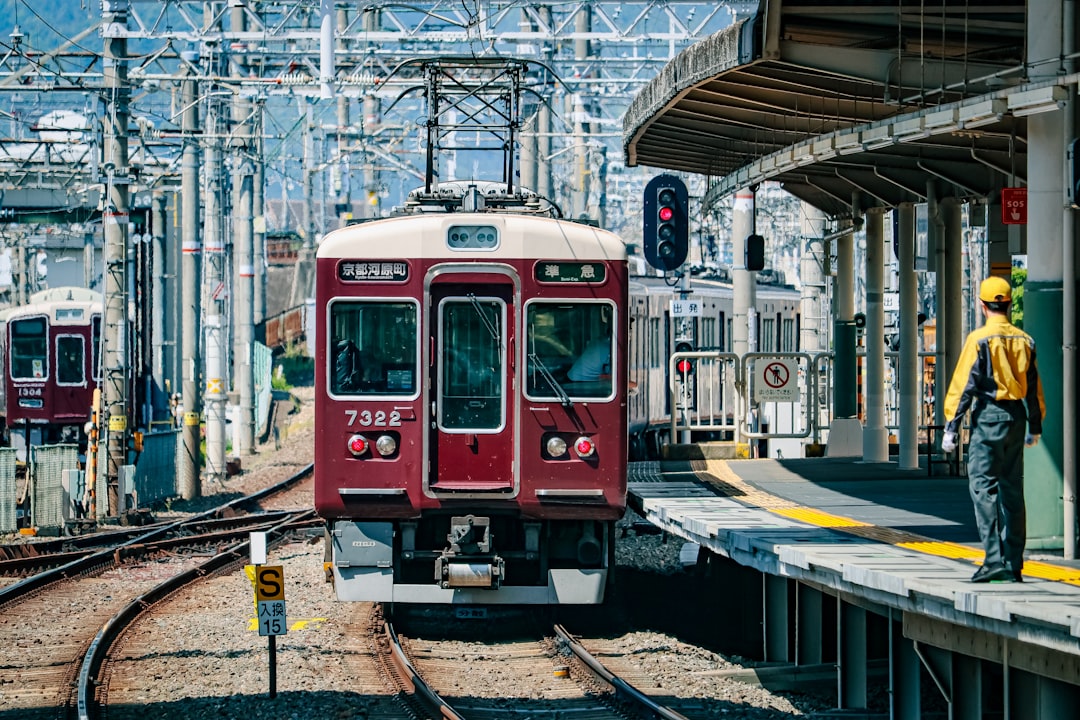
Photo by Natural Photos on Unsplash