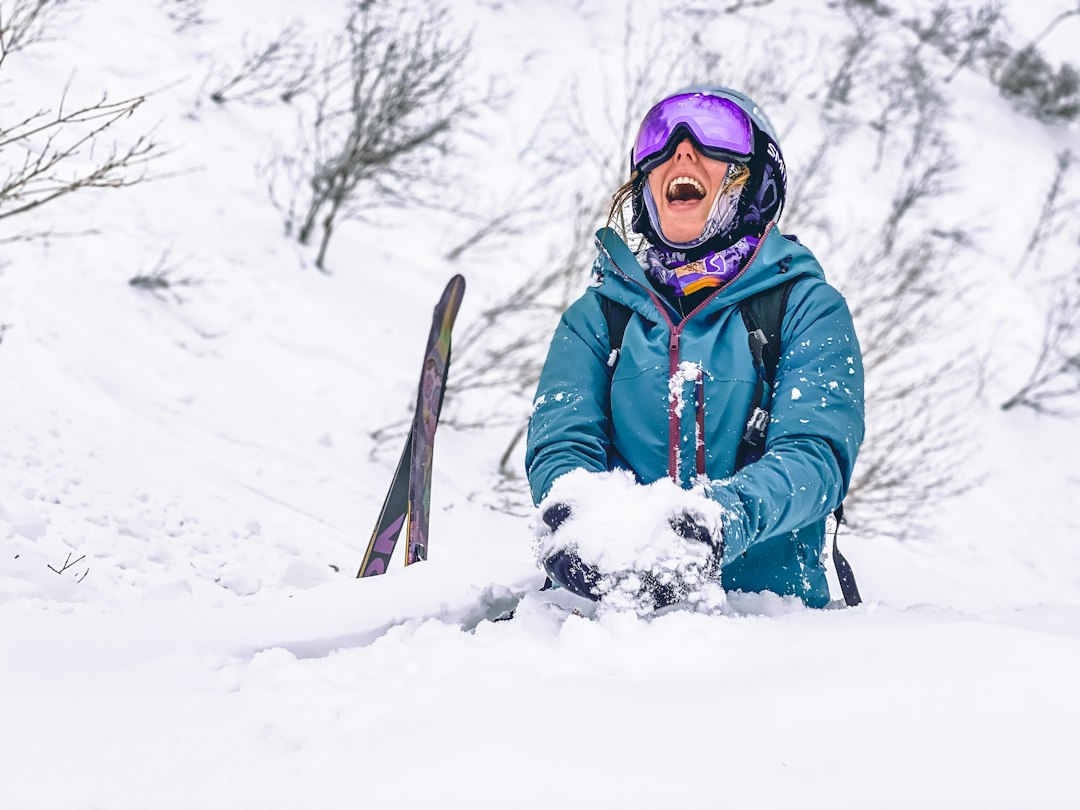
Why Niseko Is Japan’s Ultimate Winter Powder Snow Destination
Tucked into the volcanic slopes of Hokkaido, Niseko has earned a global reputation as one of the snowiest, driest, and most reliable powder snow destinations on Earth. Cold Siberian winds sweep across the Sea of Japan, picking up moisture that falls as feather-light, low-density snow across the Niseko United ski area. For winter travelers and New Year holiday skiers dreaming of bottomless powder turns, this guide covers everything you need to plan the perfect snow season trip.
When to Visit Niseko for the Best Snow (and Fewer Crowds)
The main winter season runs from late November through early April, with peak powder conditions typically occurring from mid-December through February. The New Year holiday period (roughly December 28 to January 3) is Niseko’s busiest and most expensive window, drawing huge numbers of international visitors, so lift lines, restaurant waits, and accommodation prices all spike dramatically.
- For the deepest snow with smaller crowds, target early-to-mid December before the New Year rush begins.
- Late January and February offer excellent snow quality with a noticeable dip in visitor numbers right after the holiday crowds depart.
- If you must travel during the New Year period, book lodging and restaurant reservations at least three to six months ahead, and arrive on the mountain at first lift to beat the queues.
- Weekday skiing, even during peak season, is dramatically quieter than weekends and holidays.
Getting to Niseko
Most travelers fly into New Chitose Airport near Sapporo, then take a direct resort bus (roughly 2.5 to 3.5 hours) or a train-plus-bus combination via Otaru and Kutchan Station. Private transfers are also popular for families or groups with heavy ski gear. Booking airport transfers early during the winter break period is essential, as seats fill quickly around the New Year holiday.
Understanding Niseko United: The Four Connected Ski Areas
Niseko United is made up of four interlinked resort areas beneath Mt. Niseko Annupuri, all accessible on a single lift pass.
- Grand Hirafu: The largest and liveliest base, packed with restaurants, izakayas, and nightlife, ideal for first-time visitors.
- Hanazono: Known for family-friendly terrain, a terrain park, and some of the most consistent tree-run powder.
- Niseko Village: A quieter, upscale area with ski-in/ski-out luxury hotels and wide cruising runs.
- Annupuri: The most laid-back zone, offering excellent value lodging and mellow slopes away from the crowds.
Powder Snow Tips: Making the Most of Niseko’s Legendary Snow
Niseko’s powder is famous for being dry and light, sometimes called “Japow.” To ski or ride it well, wider skis or a powder-friendly snowboard setup are highly recommended, and rental shops throughout Hirafu and Hanazono offer powder-specific gear. Night skiing is also available across much of the resort, letting you extend your powder day well past sunset under floodlights.
- Arrive at the lifts 15-20 minutes before opening on powder mornings, when fresh snow triggers long queues.
- Hire a local guide for backcountry or sidecountry access; gates require an avalanche transceiver, shovel, and probe.
- Check the daily avalanche and weather report at the gondola base before heading off-piste.
- Consider a multi-day lift pass, which is more economical and lets you chase fresh snow across different zones each day.
Cold-Weather Preparation Tips
Hokkaido winters are seriously cold, with temperatures often dropping below freezing even at midday, and wind chill on the upper mountain can feel far colder. Preparing properly makes the difference between a miserable day and a magical one.
- Layer with a moisture-wicking base layer, an insulating mid-layer, and a waterproof, windproof outer shell.
- Pack hand and toe warmers, especially for lift rides and night skiing sessions.
- Bring a face mask or neck gaiter and goggles rated for low-light and blizzard conditions.
- Waterproof, insulated boots and thick wool socks are essential for walking around the village in deep snow.
- Stay hydrated; cold, dry air and physical exertion at altitude dehydrate you faster than you’d expect.
- Watch for signs of frostbite on fingers, toes, and exposed cheeks, and warm up indoors regularly.
Where to Stay: Accommodation Comparison
Niseko offers everything from budget hostels to five-star ski-in/ski-out chalets. Booking early is critical, especially around New Year, when the best properties sell out months in advance.
- Luxury ski-in/ski-out hotels (Niseko Village, upper Hirafu): Premium comfort, direct slope access, onsen facilities, but the highest nightly rates, particularly during the New Year peak.
- Mid-range condos and lodges (Hirafu, Hanazono): Great value with kitchens for self-catering, walking distance to lifts and restaurants.
- Budget hostels and guesthouses (Annupuri, lower Hirafu): Affordable dorm or private rooms, often with shared lounges and easy shuttle access to the slopes.
- Traditional ryokan with onsen (surrounding Kutchan and Niseko town): A quieter, more local experience combining hot spring bathing with classic Japanese hospitality.
Onsen Recovery After a Day in the Snow
After hours in the cold, nothing beats soaking in a steaming outdoor onsen while snowflakes fall around you. Niseko and nearby Kutchan have numerous public baths and hotel onsens fed by natural hot springs, many with rotenburo (outdoor baths) offering mountain views. Most locals recommend rinsing off, removing all clothing, and tying up long hair before entering, and note that many baths still restrict guests with visible tattoos.
Apres-Ski Dining and Nightlife
Grand Hirafu’s main strip comes alive after dark with ramen shops, yakiniku grills, sushi counters, and cozy bars serving hot sake and local Hokkaido craft beer. Hanazono and Niseko Village offer more refined dining options, while Annupuri keeps things low-key with small family-run izakayas.
Sample 4-Day Niseko Winter Itinerary
- Day 1: Arrive via New Chitose Airport, settle into your accommodation, rent gear, and enjoy an evening onsen.
- Day 2: Full day skiing Hirafu and Hanazono, followed by night skiing and ramen dinner.
- Day 3: Explore Annupuri’s mellow tree runs or book a backcountry tour with a certified guide.
- Day 4: Relax morning onsen session, souvenir shopping in Hirafu village, then transfer back to the airport.
Crowd Avoidance Strategies for the New Year Holiday Season
If your travel dates fall around New Year, plan strategically: ski the far side of Annupuri or Hanazono’s tree runs where crowds thin out, eat lunch early or late to skip peak restaurant rushes, and use the gondola instead of the busiest chairlifts during midday. Many travelers also add a quieter shoulder period, arriving just after New Year’s Day once the holiday crowds start heading home, while snow conditions remain excellent.
Final Tips for a Smooth Niseko Winter Trip
Purchase travel insurance that covers winter sports, keep a portable charger for phone use in the cold (batteries drain faster), and always check daily lift and weather updates posted at the base areas. With proper planning, warm layers, and a flexible schedule, Niseko delivers some of the most memorable powder snow days of any winter or New Year holiday itinerary in Japan.
Photo by Mike Kilcoyne on Unsplash