The Essentials First: Dates, Hours, and Access
Ashikaga Flower Park’s winter light show, called “Flower Fantasy” (光の花の庭), runs roughly from mid/late October through the second week of February, with lighting switched on at dusk — around 17:00 in late October, shifting earlier to 16:30 through December and January as sunset creeps up. Last admission is 20:30 and the park closes at 21:00. The nearest station is literally named Ashikaga Flower Park Station on the JR Ryomo Line, a small platform opened in 2018 specifically for this purpose — walk out the ticket gate and you’re three minutes from the entrance gate on foot. If you’ve already decided to go, the single most important thing to know is that admission here is not a fixed price: it changes daily based on a flower-condition grading system, so the number you see on a blog post today may not match what you pay at the gate.
Why This Particular Illumination Is Worth the Trip Out of Tokyo
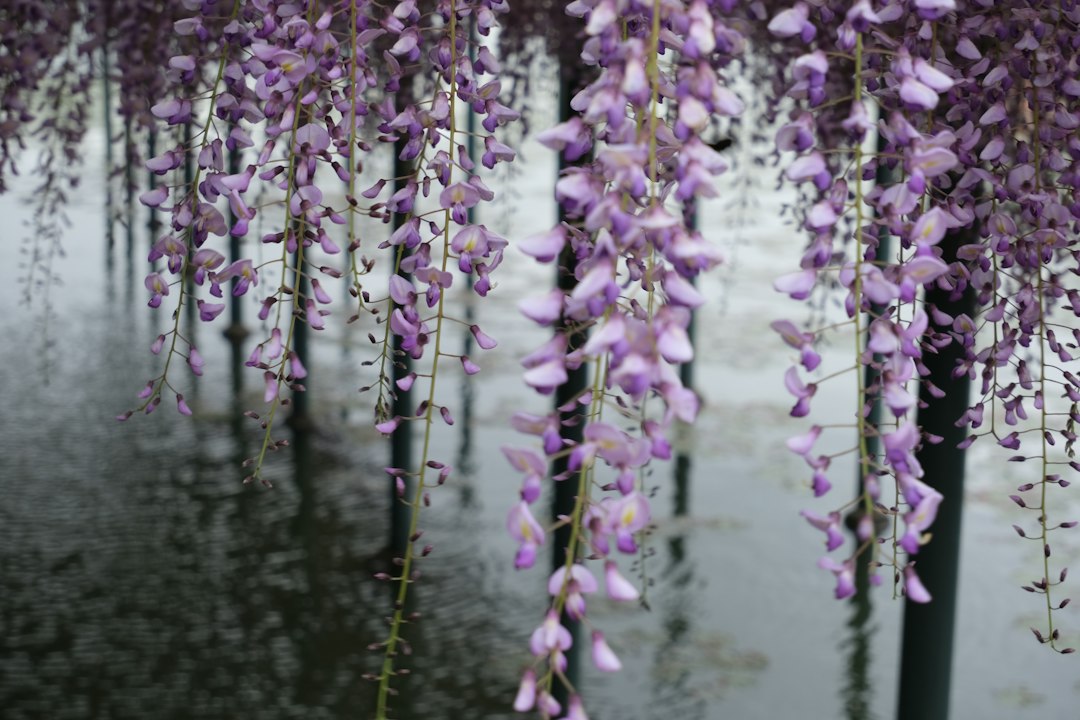
The park is built around its famous Great Wisteria tree, and the winter display leans into that identity rather than copying generic illumination formats you see at shopping malls or station plazas. The signature scene is an elevated trellis strung with roughly 5 million LED bulbs arranged to mimic hanging wisteria blossoms in purple, white, and pink, suspended above a shallow pond engineered to double as a mirror. On a windless night the reflection genuinely makes the tunnel look twice as tall. This is also why it’s consistently ranked at or near the top in Japan’s major illumination award rankings (Night View & Illumination Award) — it’s one of the few winter light displays in the country built as a permanent garden feature rather than temporary string lights draped over trees.
How to Get There From Tokyo
By JR (via Oyama)
Take the JR Shonan-Shinjuku Line or Ueno-Tokyo Line north to Oyama Station in Tochigi, then transfer to a local JR Ryomo Line train bound for Koganei/Kiryu and get off at Ashikaga Flower Park Station. Total travel time from central Tokyo runs about 1 hour 40 minutes to 2 hours, one-way fare around ¥2,310 unreserved. Note that not every Ryomo Line train stops at this station — it’s a request/seasonal stop on some schedules, so check the timetable rather than assuming the first train that comes.
By Tobu Railway (via Tatebayashi)
From Asakusa, the Tobu Isesaki Line limited express “Ryomo” gets you to Tatebayashi in about 70 minutes, where you transfer to the JR Ryomo Line for the final 20-minute leg. This route is usually a bit cheaper than the JR-only option and works well if you’re staying near Asakusa or Oshiage.
By Car
If you’re driving, exit the Kitakanto Expressway at Ashikaga IC — it’s about 10 minutes from there to the park’s parking lot. Parking costs ¥500 per car, but the lot fills by around 17:00 on Saturdays and during the New Year holiday window, so arrive before 16:00 on weekends if you want a guaranteed spot without circling.
Ticket Prices and Why They Change Daily
Because Ashikaga Flower Park prices admission according to how much is currently in bloom, the winter illumination period uses its own separate evening-admission pricing rather than the flower-grade system used in spring. Expect adult evening tickets in the roughly ¥900–¥1,800 range and child tickets (elementary age) around ¥400–¥900, with under-6s typically free, but the exact figure for your specific visit date is only confirmed on the official calendar page the park updates daily — treat any number in a blog post (including this one) as a planning estimate, not a quote. Special nights like Christmas Eve, Christmas Day, and New Year’s Eve sometimes carry event-adjusted pricing or extended hours, so check the week you’re actually traveling.
Best Time to Visit to Avoid the Worst Crowds
Weekday evenings — Tuesday through Thursday — are noticeably calmer than weekends. The crush period is the dusk switch-on itself, when everyone gathers at the main wisteria tunnel for the “lights on” moment, plus the entire window from December 23 through January 3, which overlaps school winter break and the run-up to hatsumode season. If you’re traveling during that New Year stretch anyway, your best move is either arriving right at the gate when illumination starts and moving quickly to the far side of the park before the crowd catches up, or coming in late — after 19:30 — when a chunk of the daytrip crowd has already started heading back to catch earlier trains. Tripods and selfie sticks are restricted in the busiest viewing spots during peak nights, so don’t plan a long-exposure setup without checking current rules at the gate.
Cold-Weather Prep That Actually Matters Here
Tochigi sits inland and nights get noticeably colder than central Tokyo — temperatures near the ponds can feel several degrees colder than the forecast due to wind coming off the open water features. Heat-tech base layers under a proper down jacket, plus gloves and a hat, make a real difference if you’re standing still for photos for 20+ minutes. The paths are mostly flat and paved, but a few areas near the ponds get slick with frost after sunset in January, so boots with actual tread beat fashion sneakers. Hand warmers (kairo), sold at nearly every convenience store on the way, are worth grabbing at Oyama or Tatebayashi station before you transfer — the park’s own shops sell them too but at a markup.
Where to Eat Inside the Park
The on-site restaurant Nemunoki serves hot udon and katsu sets if you want a proper sit-down dinner before or after the lights, and it’s warm — useful if you’ve timed a cold-weather visit around dusk. For something faster, the food stalls near the main plaza switch their menu seasonally: in winter you’ll find oden, amazake, and roasted sweet potato (yaki-imo) replacing the wisteria soft-serve that’s popular in spring. If you just want a hot drink to carry around while you walk the illuminated paths, the kiosk near the Flower Island shop sells canned hot tea and coffee from vending machines that actually get restocked through the evening rush, unlike some of the smaller stalls that sell out of hot food by 19:00 on weekend nights.
Combining the Visit With Ashikaga City
If you’re making the trip out from Tokyo, it’s worth building in daytime hours in Ashikaga City itself rather than treating the park as a single-stop evening trip. Ashikaga Gakko, reputed to be Japan’s oldest school site, and the nearby Bannaji Temple are both a short taxi or bus ride from Ashikaga Station (a different station from the Flower Park one, on the JR Ryomo Line a few stops closer to town) and make a reasonable afternoon before heading to the park for sunset. This lets you justify the roughly two-hour train journey as a full day out rather than just an evening illumination run.
One Practical Warning Before You Book
The illumination calendar occasionally includes maintenance closures or reduced-hour days in late January and early February as the season winds down, and these dates aren’t always announced far in advance — they tend to show up on the official site about two to three weeks ahead. If you’re building a tight itinerary around a single evening here, especially during a short winter break trip, check the official calendar again a few days before departure rather than relying on a schedule you found while planning weeks earlier. It’s the one detail that’s genuinely saved travelers from showing up to a half-lit park on an off night.
Photo by Sarah Goto on Unsplash