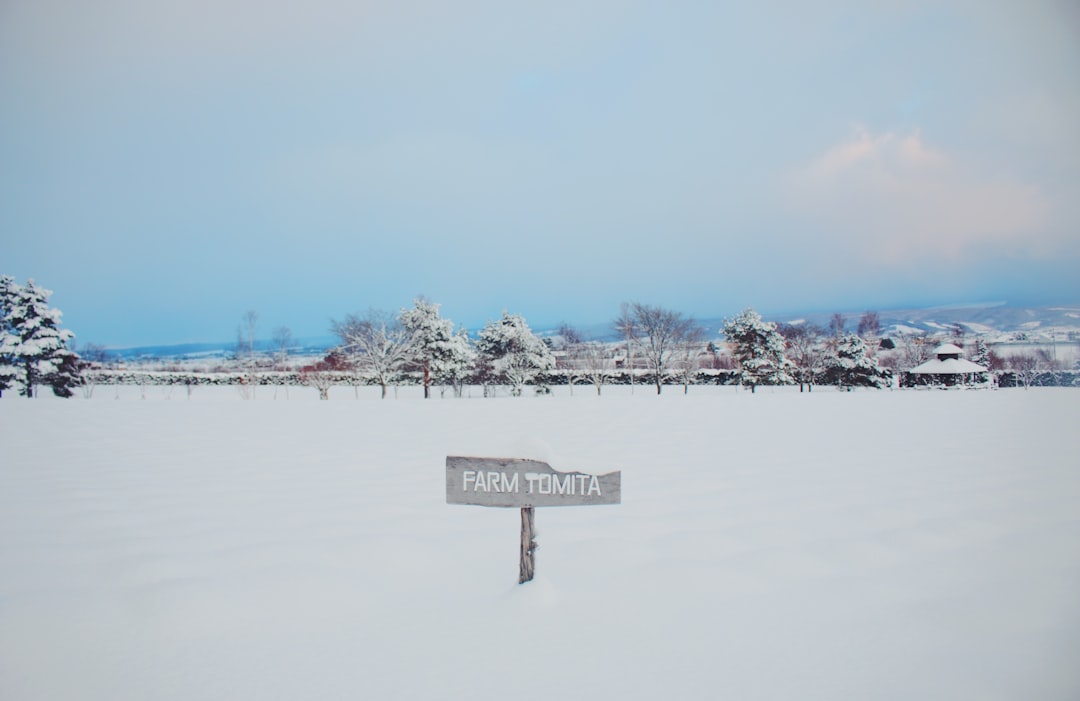

Photo by Yi Syuan Li on Unsplash
Why Hokkaido Is Japan’s Ultimate Winter Destination
When the rest of Japan is shivering through a mild winter, Hokkaido transforms into a snow-covered wonderland that draws travelers from around the globe. As the northernmost of Japan’s main islands, Hokkaido offers some of the best powder snow on the planet, world-class ski resorts, steaming hot springs surrounded by white landscapes, and unforgettable winter festivals. This comprehensive Hokkaido winter travel guide covers everything you need to know to plan an unforgettable cold-season trip, from where to go and what to eat to practical tips for staying warm and safe.
Best Time to Visit Hokkaido in Winter
Hokkaido’s winter season generally runs from December through March, with the heaviest and driest snowfall occurring in January and February. This is when the region’s famous powder snow, often called Japow by skiers and snowboarders, is at its peak. Late December is ideal for those wanting to combine winter illuminations and holiday markets with early snow conditions, while March offers slightly milder temperatures and is a great time for families with young children.
Weather and What to Expect
Winter temperatures in Hokkaido typically range from -10°C to 0°C, though coastal areas like Hakodate tend to be milder than inland cities such as Asahikawa. Snowfall is heavy and frequent, especially in mountainous regions and areas facing the Sea of Japan. Pack accordingly with insulated, waterproof layers, thermal base layers, warm gloves, and sturdy waterproof boots with good grip, as sidewalks can become icy.
Top Destinations for a Hokkaido Winter Trip
Sapporo: The Gateway City
Sapporo, Hokkaido’s capital, is the natural starting point for most winter itineraries. The city is famous for the Sapporo Snow Festival, held annually in early February, featuring massive, intricately carved snow and ice sculptures illuminated at night. Beyond the festival, Sapporo offers excellent food culture, including the famous Sapporo ramen, fresh seafood markets, and a cozy izakaya scene perfect for warming up after a day in the cold.
Niseko: World-Class Powder Skiing
Niseko is arguably Hokkaido’s most internationally renowned ski destination, celebrated for its extraordinarily light and abundant powder snow. The resort area includes several interconnected ski zones catering to all skill levels, along with a vibrant après-ski scene of restaurants, bars, and hot spring baths. Niseko has become increasingly popular with international visitors, so booking accommodation well in advance is highly recommended.
Furano and Tomamu: Family-Friendly Snow Fun
Furano offers excellent skiing with a more laid-back, local atmosphere compared to Niseko, along with beautiful mountain views. Nearby Tomamu is known for its unique ice village, where an entire miniature town made of ice includes bars, saunas, and even an ice chapel, offering a magical experience unlike anything else in Japan.
Hakodate: Winter Illuminations and Seafood
Hakodate, in southern Hokkaido, is milder than other parts of the island and offers a stunning night view from Mount Hakodate overlooking a snow-dusted cityscape. The city is also famous for its morning seafood market, where visitors can enjoy incredibly fresh crab, uni, and other delicacies, plus historic Western-style buildings in the Motomachi district.
Otaru: Canal Lights and Charm
Just a short trip from Sapporo, Otaru is a charming canal town known for its snow light path festival in February, when candles and snow lanterns line the historic canal, creating a romantic, fairy-tale atmosphere. Otaru is also famous for glasswork, music boxes, and fresh sushi.
Must-Try Winter Experiences
Soaking in Snowy Onsen
Few experiences compare to soaking in a steaming outdoor hot spring bath while surrounded by falling snow. Noboribetsu, one of Hokkaido’s most famous onsen towns, features a variety of mineral-rich waters and the dramatic volcanic landscape of Hell Valley. Other notable onsen destinations include Jozankei, a convenient day trip from Sapporo, and the remote, rustic baths near Lake Shikotsu.
Wildlife Watching in Winter
Hokkaido’s eastern region offers extraordinary winter wildlife viewing opportunities. Visitors can see red-crowned cranes performing courtship dances near Kushiro, massive Steller’s sea eagles along the Shiretoko coast, and drift ice viewing in the Sea of Okhotsk near Abashiri and Mombetsu, where visitors can even walk on the frozen sea ice with proper guided tours.
Skiing and Snowboarding Beyond Niseko
While Niseko draws the international spotlight, Hokkaido has dozens of excellent ski resorts. Rusutsu offers tree skiing and a family-friendly atmosphere, Kiroro is known for exceptional snow quality with fewer crowds, and Sapporo Teine offers convenient access right from the city, having once hosted Winter Olympic events.
Hokkaido Winter Food Guide
Winter is arguably the best season to eat in Hokkaido. The cold weather makes hearty, warming dishes especially satisfying, and seafood is at its peak. Key dishes to try include:
- Sapporo miso ramen, a rich, buttery bowl perfect for cold days
- Fresh crab, including king crab, snow crab, and hairy crab
- Jingisukan, a grilled lamb dish named after Genghis Khan, cooked at the table
- Fresh seafood bowls, or kaisendon, featuring uni, salmon roe, and scallops
- Hokkaido dairy products, including rich milk, cheese, and famous soft-serve ice cream, surprisingly popular even in winter
Practical Tips for Traveling Hokkaido in Winter
Getting Around
New Chitose Airport near Sapporo is the main gateway for most travelers arriving from other parts of Japan or internationally. From there, trains, buses, and rental cars connect to major destinations. Be aware that winter driving conditions require experience with snow and ice, and many travelers opt for trains, buses, or private transfers instead of self-driving, particularly in more remote areas.
What to Pack
Essential winter items include a warm, waterproof coat, thermal layers, waterproof snow boots with good traction, gloves, a hat, and hand warmers, which are widely available at convenience stores. Layering is key, as many indoor spaces in Hokkaido are well heated.
Booking in Advance
Winter is peak season in popular areas like Niseko and Sapporo, especially during the Sapporo Snow Festival. Accommodation, especially ski-in-ski-out lodging and popular ryokan with hot springs, should be booked as early as possible, ideally several months ahead for peak dates.
Sample Hokkaido Winter Itinerary
- Days 1-3: Arrive in Sapporo, enjoy city food and culture, day trip to Otaru
- Days 4-6: Travel to Niseko or Rusutsu for skiing and onsen relaxation
- Days 7-8: Visit Noboribetsu for hot springs and Hell Valley
- Days 9-10: Explore Hakodate for seafood and night views before departure
Final Thoughts
A Hokkaido winter travel guide could easily fill an entire book, but the essentials remain simple: come prepared for serious cold, embrace hearty food and hot springs, and choose destinations based on whether you crave world-class skiing, wildlife encounters, or magical snow festivals. Whatever combination you choose, a winter trip to Hokkaido offers some of the most memorable travel experiences Japan has to offer.