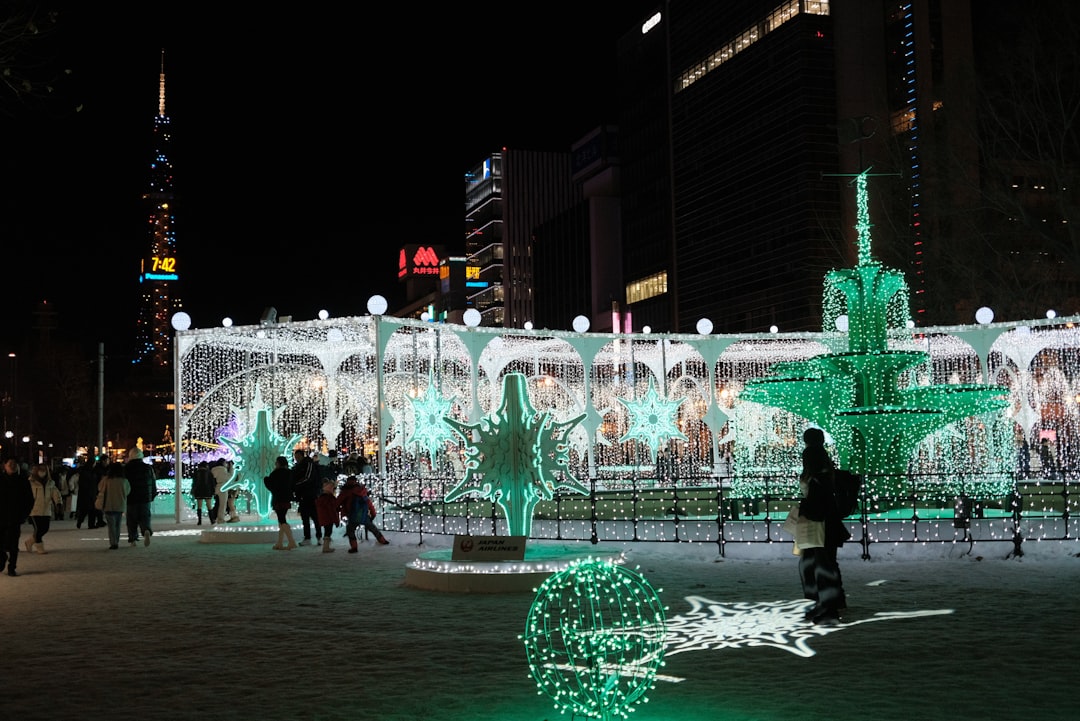

Photo by Dominic Kurniawan Suryaputra on Unsplash
Why Winter Illuminations Are Japan’s Best-Kept Seasonal Secret
When the temperature drops and the days grow short across Japan, something magical happens: cities, gardens, and theme parks transform into dazzling wonderlands of light. Winter illumination festivals, known locally as ‘illumination’ (イルミネーション), have become one of the country’s most beloved seasonal traditions, drawing millions of visitors who bundle up in coats and scarves to stroll beneath canopies of twinkling LED lights. Unlike the fleeting cherry blossoms of spring, these illuminations often run for two to three months, giving travelers ample opportunity to plan a visit around this enchanting spectacle.
From futuristic digital art installations to traditional garden light-ups paired with hot sake, Japan’s winter illuminations offer something for every type of traveler. This guide explores the very best light festivals across the country, helping you plan the perfect evening (or several) of glittering exploration.
What Makes Japanese Winter Illuminations So Special
Japan’s approach to illumination goes far beyond simply stringing up fairy lights. These are meticulously designed art installations that often incorporate storytelling, music synchronization, seasonal themes, and cutting-edge technology. Many illuminations change their design each year, encouraging repeat visits even from locals. The combination of crisp winter air, hot food stalls selling amazake and roasted sweet potatoes, and millions of shimmering LED bulbs creates an atmosphere that feels both cozy and awe-inspiring.
The Best Time to Visit
Most winter illumination festivals in Japan begin in early to mid-November and continue through February, with some extending into early March. Peak viewing typically occurs from late November through late December, coinciding with the Christmas season, though the light displays remain just as magical well into the new year. Arriving right at sunset allows you to watch the transition from daylight to the full illumination effect, which is often the most photogenic moment of the evening.
Top Winter Illumination Festivals Across Japan
1. Nabana no Sato (Mie Prefecture)
Widely regarded as one of the most spectacular illuminations in all of Japan, Nabana no Sato is a flower park that transforms into a light extravaganza each winter. The highlight is an enormous tunnel of lights that seems to stretch endlessly in a gradient of colors, alongside a massive light installation depicting Mount Fuji. With over eight million LED bulbs, this illumination is consistently ranked among the top in national rankings and is well worth the trip from Nagoya.
2. Kobe Luminarie (Hyogo Prefecture)
Perhaps the most emotionally significant illumination in Japan, Kobe Luminarie began as a memorial to the victims of the Great Hanshin Earthquake and has since become a symbol of hope and resilience. Ornate arches of golden light, reminiscent of Italian architecture, line the streets of Kobe’s historic district for a limited period each winter. The atmosphere here is more solemn and reflective than other illuminations, making it a uniquely moving experience.
3. Tokyo Midtown and Roppongi Hills (Tokyo)
For urban sophistication, few illuminations rival the displays found in Tokyo’s Roppongi and Midtown districts. Tokyo Midtown’s ‘Midtown Winter Lights’ typically bathes the plaza in a cascading blue-and-white glow, evoking a winter starry sky, while nearby Roppongi Hills’ Keyakizaka Street becomes a corridor of shimmering blue lights that has become an iconic Tokyo winter photo spot.
4. Caretta Shiodome (Tokyo)
Located near Shimbashi Station, Caretta Shiodome hosts one of Tokyo’s most beloved illumination shows, featuring a synchronized light-and-music display that plays every 15 to 20 minutes throughout the evening. The choreography changes seasonally, and the surrounding plaza offers excellent vantage points along with nearby dining options.
5. Sagamiko Illumillion (Kanagawa Prefecture)
Set against the backdrop of Lake Sagami and accessible via a scenic cable car, Sagamiko Illumillion combines nature and technology beautifully. This illumination frequently incorporates seasonal themes and interactive elements, and its hillside setting offers panoramic views that few other illuminations can match.
6. Huis Ten Bosch (Nagasaki Prefecture)
This Dutch-themed theme park in Kyushu hosts what is often cited as Japan’s largest illumination event, spanning the entire park grounds. With canals reflecting light displays, a giant illuminated tree, and thematic zones ranging from fantasy forests to futuristic light gardens, Huis Ten Bosch offers a full-day-into-night experience that rivals any Christmas market in Europe.
7. Ashikaga Flower Park (Tochigi Prefecture)
Famous for its wisteria trees in spring, Ashikaga Flower Park transforms into a different kind of natural wonder in winter. The park’s illumination uses flower-shaped and vine-shaped light installations to mimic the appearance of its famous blossoms, creating a surreal fusion of seasons that photographers particularly love.
8. Sapporo White Illumination (Hokkaido)
Combined with the region’s genuine snowfall, Sapporo’s White Illumination in Odori Park creates a true winter wonderland unlike anywhere else in Japan. The natural snow enhances the sparkle of the lights, and the nearby Sapporo Snow Festival (held slightly later in the season) makes this a fantastic base for extended winter travel in Hokkaido.
9. Osaka’s Midosuji Illumination and Umeda Sky Building
Osaka offers illuminations for every budget and interest, from the grand Midosuji Boulevard light-up featuring rows of illuminated ginkgo trees to the rooftop views from Umeda Sky Building, where visitors can see the city’s illuminated grid stretching to the horizon.
Tips for Enjoying Winter Illuminations Like a Local
- Dress warmly in layers, as many illuminations are outdoors and evenings can be quite cold, especially in northern regions.
- Visit on weekdays if possible, as weekends and holidays tend to draw large crowds, particularly at famous locations like Nabana no Sato and Kobe Luminarie.
- Bring a tripod or use night mode on your smartphone camera to capture the best photos, since many illuminations photograph beautifully even in low light.
- Pair your illumination visit with seasonal food, such as roasted chestnuts, oden, or hot amazake, sold at stalls near most major light festivals.
- Check official websites for exact dates, as illumination periods can vary slightly from year to year depending on the venue.
Planning Your Winter Illumination Journey
Because illumination festivals are scattered throughout the country, it’s entirely possible to build an itinerary that combines multiple light festivals in a single trip. For example, travelers based in the Kansai region could easily visit both Kobe Luminarie and Osaka’s Midosuji Illumination in the same week, while those in Kanto could combine Tokyo’s Roppongi and Caretta Shiodome displays with a day trip to Sagamiko Illumillion.
For a more nature-focused experience, pairing Hokkaido’s Sapporo White Illumination with a broader Hokkaido winter itinerary that includes hot springs and snow activities creates an unforgettable seasonal journey. Meanwhile, Kyushu travelers should not miss the sprawling grounds of Huis Ten Bosch, which alone can occupy a full day of exploration.
Final Thoughts
Winter in Japan often gets overshadowed by the country’s famous cherry blossom season and autumn foliage, but the illumination festivals prove that the colder months hold their own kind of magic. Whether you’re drawn to the emotional resonance of Kobe Luminarie, the sheer scale of Nabana no Sato, or the snowy charm of Sapporo, Japan’s winter light festivals offer a uniquely beautiful way to experience the country after dark. Bundle up, bring your camera, and let these dazzling displays illuminate your next Japan adventure.