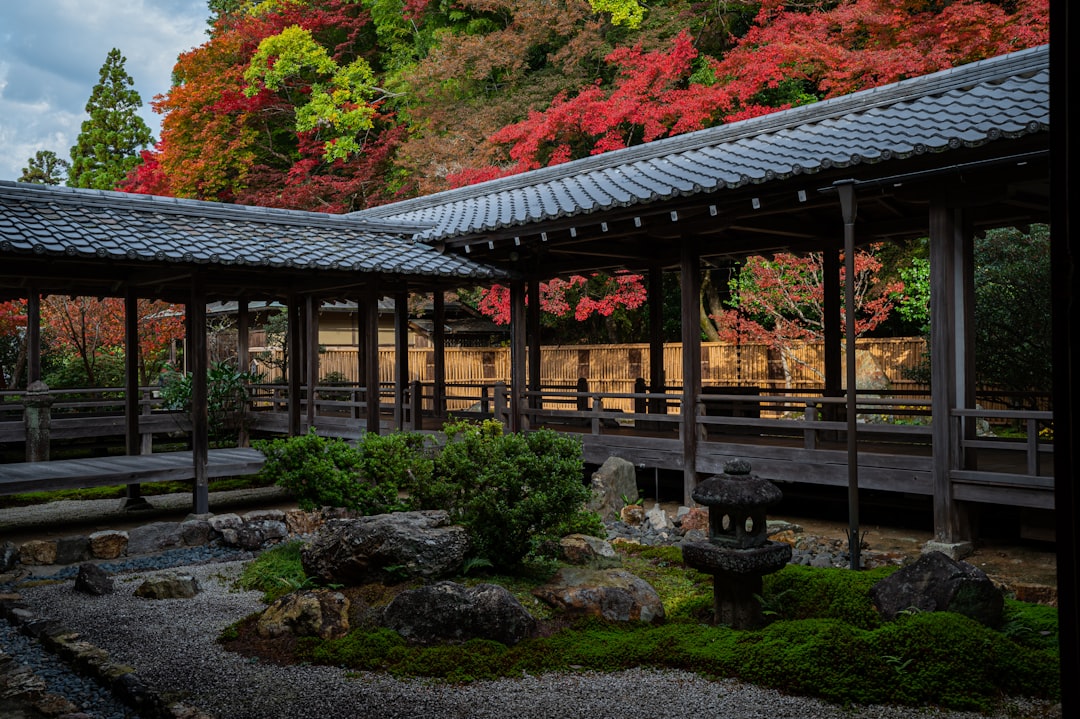

Photo by Samuel Berner on Unsplash
Beyond the Crowds: Discovering Kyoto’s Hidden Temples
Kyoto is famous the world over for Kiyomizu-dera, Fushimi Inari, and Kinkaku-ji — and for good reason. These landmarks are breathtaking. But if you have visited Kyoto during peak travel season, you already know the reality: shoulder-to-shoulder crowds, long queues for photographs, and a sense that you are experiencing the temple through a sea of selfie sticks rather than in quiet contemplation. The good news is that Kyoto has over 1,600 Buddhist temples and hundreds of Shinto shrines, and the vast majority of them receive only a fraction of the tourist traffic. This guide takes you off the well-trodden path to explore Kyoto’s hidden temples — places where you can still hear birdsong, feel the crunch of gravel underfoot, and sit with your thoughts in genuine tranquility.
Why Seek Out Kyoto’s Lesser-Known Temples?
Kyoto served as Japan’s imperial capital for over a thousand years, and its temples reflect an extraordinary range of history, architecture, and artistry. The hidden gems described below are not lesser in beauty or significance; they are simply less publicized, often tucked into quiet neighborhoods, up mountain paths, or bordering rice fields far from the main tourist bus routes. Visiting them offers several rewards:
- Authentic silence and space for reflection, without competing for photo spots
- A deeper sense of local life, since these temples are often maintained by small communities
- Unique gardens, artwork, and architecture rarely featured in mainstream guidebooks
- The chance to interact more personally with monks or caretakers
Hidden Temples in Northern Kyoto
Shoden-ji Temple
Tucked into the hills of northern Kyoto near Kyoto’s outskirts, Shoden-ji is a Zen temple with one of the city’s most elegant karesansui (dry landscape) gardens. Its raked gravel and carefully placed azalea bushes frame a stunning distant view of Mount Hiei, and because it lies outside the usual sightseeing loop, you may find yourself completely alone on the veranda. The temple’s history connects to the Oda clan, and its understated entrance gate keeps casual passersby away, preserving its calm.
Genko-an Temple
Genko-an sits near the more famous Genkoji Temple, and while it does see some visitors for its distinctive round “window of enlightenment” and square “window of confusion,” it remains far quieter than central Kyoto attractions. Visit in the early morning to have the interior nearly to yourself, and take time to appreciate how the circular window frames the maple trees outside — a photograph-worthy scene without the photo-taking crowds.
Hidden Temples in Eastern Kyoto
Konkai Komyo-ji
Located near the popular Philosopher’s Path but rarely visited by the crowds who walk it, Konkai Komyo-ji is a large temple complex with an impressive three-story pagoda, sweeping stone staircases, and a hillside cemetery offering panoramic views over Kyoto. Because most travelers stick to the canal-side walking path itself, this temple just a few minutes uphill remains wonderfully uncrowded, even during peak seasons.
Anraku-ji Temple
A small, atmospheric temple near Nanzen-ji, Anraku-ji is only open to the public on select days, which naturally limits visitor numbers. Its garden of moss and maple trees tells a poignant historical story connected to two nuns who were companions of Retired Emperor Go-Toba. The rarity of its opening hours makes a visit here feel like a special occasion rather than a routine stop.
Hidden Temples in Western and Southern Kyoto
Jizo-in Temple (Take-dera)
Known locally as “Take-dera,” or Bamboo Temple, Jizo-in is nestled in a quiet bamboo grove in the Nishikyo Ward, far from the famous but overcrowded Arashiyama bamboo path. Walking through this smaller, softer grove of swaying bamboo toward the temple entrance feels like a private version of Arashiyama’s postcard scene, and the temple itself houses a peaceful garden filled with small stone jizo statues, each with a different gentle expression.
Kaiko-ji Temple
Hidden within a residential neighborhood in southern Kyoto, Kaiko-ji is a lovely example of a functioning neighborhood temple that welcomes visitors with unusual warmth. Its unassuming exterior gives no indication of the peaceful courtyard and small garden within. This is the kind of temple you might stumble upon by accident while wandering — and that sense of discovery is part of its charm.
Hidden Temples Near Arashiyama
Gio-ji Temple
While Arashiyama’s main attractions draw enormous crowds, Gio-ji sits quietly at the edge of the district, surrounded by a lush moss garden that feels almost otherworldly, especially after rain. The temple’s history is tied to a tragic tale of a dancer named Gio during the late Heian period, adding emotional resonance to its serene setting. Visit slightly off-season or early in the day, and you may have the moss garden entirely to yourself.
Otagi Nenbutsu-ji
Further up the hillside past the main Arashiyama attractions, Otagi Nenbutsu-ji is famous among those who know it for its 1,200 whimsical stone rakan (disciple) statues, each carved with a unique facial expression by amateur sculptors decades ago. Because it requires a bit more walking to reach, it remains delightfully uncrowded, offering a playful contrast to the solemnity of more traditional temples.
Tips for Visiting Kyoto’s Hidden Temples
- Go early or late in the day: Even hidden temples can attract small tour groups midday. Early mornings offer the best light and quietest atmosphere.
- Rent a bicycle: Many of these temples are not directly on train or bus lines. A bicycle gives you flexibility to explore side streets and hillside paths at your own pace.
- Check opening days: Some smaller temples, like Anraku-ji, open only on specific days or seasons. Always verify current visiting hours before setting out.
- Bring cash: Smaller temples often do not accept cards for entrance fees or small souvenirs.
- Respect quiet spaces: Part of what makes these temples special is their tranquility. Keep voices low and phone use minimal to preserve the atmosphere for yourself and others.
Combining Hidden Temples Into Your Kyoto Itinerary
You do not need to choose between famous landmarks and hidden gems — the best Kyoto itineraries blend both. Consider visiting one major sight in the early morning before crowds arrive, then spending the afternoon exploring a nearby hidden temple at a slower pace. For example, pair a sunrise visit to Fushimi Inari with an afternoon at a quieter southern Kyoto temple, or combine the Philosopher’s Path with a detour to Konkai Komyo-ji. This rhythm of iconic and secluded sites will give you a fuller, more balanced picture of Kyoto’s spiritual and architectural heritage.
Final Thoughts
Kyoto’s hidden temples remind us that the city’s spiritual depth extends far beyond its most photographed landmarks. In these quieter spaces, you can experience what drew pilgrims and poets to Kyoto centuries ago: a profound stillness, a connection to nature, and an invitation to slow down. Next time you plan a trip to Kyoto, leave room in your itinerary for wandering — some of the most memorable temple visits happen when you step just slightly off the map.