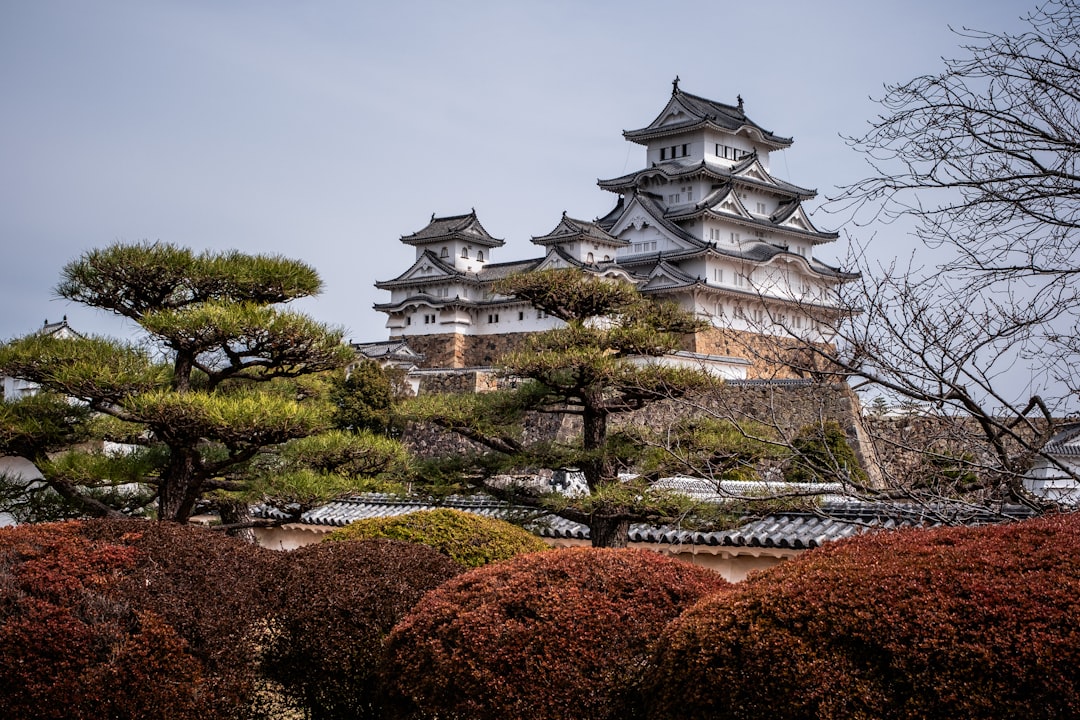

Photo by Sue Winston on Unsplash
Introduction to Himeji Castle
Rising above the city of Himeji in Hyogo Prefecture, Himeji Castle is widely regarded as the finest surviving example of Japanese castle architecture. Nicknamed “Hakuro-jo” or “Shirasagi-jo” (the White Heron Castle) for its brilliant white plaster exterior and elegant, bird-like silhouette, this UNESCO World Heritage Site has never been destroyed by war, fire, or natural disaster since its major reconstruction. Unlike many of Japan’s castles that are modern concrete reconstructions, Himeji Castle retains its original wooden interior, intricate defensive structures, and centuries-old atmosphere, making it an unmissable stop for anyone exploring Japan’s cultural heritage.
This guide covers everything you need to know before visiting: the castle’s fascinating history, practical tips for exploring the grounds, and insider advice to help you make the most of your trip.
A Brief History of Himeji Castle
Origins and Early Construction
The site of Himeji Castle has held a fortification since the 14th century, when a local clan built a small fort on the hill known as Himeyama. Over the following centuries, the structure was expanded and modified by a succession of ruling families as control of the strategic region changed hands.
The Edo Period Transformation
The castle as it stands today largely owes its form to Ikeda Terumasa, a powerful feudal lord who took control of the domain in the early 1600s after the pivotal Battle of Sekigahara. Ikeda invested enormous resources into transforming the castle into a grand symbol of authority, adding the iconic five-story main keep (tenshu), moats, and a complex maze of gates and walls designed to confuse and repel attackers. Later lords continued to refine the castle’s defenses and living quarters throughout the Edo period, a time of relative peace during which castles served more as administrative centers and symbols of prestige than active military strongholds.
Surviving the Centuries
Himeji Castle’s survival is nothing short of remarkable. It escaped the widespread castle demolitions ordered during the Meiji period, when many feudal structures across Japan were dismantled as symbols of the old order. It also survived Allied bombing raids during World War II that devastated much of the surrounding city, with local legend attributing its escape to camouflage netting and sheer luck. In recognition of its historical and architectural significance, Himeji Castle was designated a UNESCO World Heritage Site, one of the first in Japan, and has undergone several careful restoration projects to preserve its famous white walls and structural integrity for future generations.
Architectural Highlights
The Main Keep
The five-story, six-level main keep is the heart of the castle complex. Inside, visitors can climb steep wooden staircases, examine displays of samurai weaponry and armor, and observe defensive features like stone-dropping holes and arrow slits designed for repelling invaders. The top floor offers panoramic views over Himeji city.
The Maze-Like Defensive Layout
One of the most fascinating aspects of Himeji Castle is its labyrinthine approach path. The route from the main gate to the keep winds through a confusing series of gates, dead ends, and narrow passages specifically designed to slow down and disorient attacking forces. Even modern visitors often find themselves turned around, which offers a small taste of how effective this defensive design once was.
The Plastered Walls
The castle’s brilliant white appearance comes from thick layers of fireproof plaster applied over the stone and wood structure. This plaster not only gives the castle its elegant, heron-like appearance but also served a practical purpose in protecting the wooden framework from fire during the age of samurai warfare.
Essential Visiting Tips
Best Time to Visit
Himeji Castle is a year-round destination, with each season offering a distinct atmosphere. Spring brings cherry blossoms that frame the white walls beautifully, making it one of the most photographed cherry blossom spots in the Kansai region. Autumn offers crisp air and colorful foliage in the surrounding gardens. Visiting on a weekday morning, regardless of season, is the best way to avoid the largest crowds, as the castle is extremely popular with both domestic and international tourists.
How Much Time to Allow
Plan for at least two to three hours to fully explore the castle grounds, main keep, and surrounding gardens. If you want to also visit Koko-en Garden, a beautifully landscaped Edo-style garden adjacent to the castle, add another hour to your itinerary.
Getting There
Himeji Castle is remarkably easy to reach thanks to its location near Himeji Station, a stop on the Shinkansen bullet train line. From the station, the castle is simply a fifteen to twenty minute walk straight up the main boulevard, with the keep visible in the distance the entire way, making navigation effortless even for first-time visitors.
Tickets and Entry
Tickets can typically be purchased on-site or in advance online to save time during busy periods. A combination ticket that includes both the castle and Koko-en Garden offers good value if you plan to visit both attractions. Keep in mind that the castle involves a significant amount of walking and climbing steep, narrow wooden stairs, so comfortable shoes are essential, and the site may present challenges for visitors with mobility limitations.
What to Bring
Bring water, especially in warmer months, as much of the walking path is uncovered and exposed to direct sunlight. Comfortable, sturdy footwear is a must due to the uneven stone paths and steep staircases inside the keep. A small bag is preferable to a large backpack, as storage space inside the castle is limited and crowded areas can make maneuvering with bulky luggage difficult.
Nearby Attractions Worth Combining
Koko-en Garden
Located just a short walk from the castle’s west gate, this collection of nine connected traditional gardens recreates the feel of Edo-period residences and offers a peaceful contrast to the castle’s grand scale.
Himeji City Museum of Art
Housed in a striking Western-style building, this museum offers a cultural detour for those interested in both Japanese and international art, and sits within easy walking distance of the castle grounds.
Engyoji Temple
For travelers with extra time, the mountaintop temple complex of Engyoji, accessible via a short bus ride and ropeway from Himeji Station, offers a serene forested setting that has even served as a filming location for major movies.
Practical Etiquette and Preservation Notes
As with all historic sites in Japan, visitors are asked to remove shoes in designated areas inside the keep and to avoid touching original wooden beams and plastered surfaces wherever possible. Photography is generally permitted throughout the grounds and interior, though tripods may be restricted in crowded areas to maintain smooth visitor flow. Respecting posted signage and staff instructions helps ensure this centuries-old treasure remains preserved for future generations of visitors.
Final Thoughts
Himeji Castle offers a rare and authentic window into Japan’s feudal past, combining formidable military architecture with genuine aesthetic beauty. Whether you are a history enthusiast eager to explore original samurai-era structures or simply seeking one of the most photogenic landmarks in Japan, a visit to the White Heron Castle rewards travelers with an unforgettable blend of culture, craftsmanship, and scenic charm. Pair it with a stroll through Koko-en Garden and a relaxed afternoon in Himeji city, and you have the makings of a perfect day trip from Osaka, Kyoto, or Kobe.