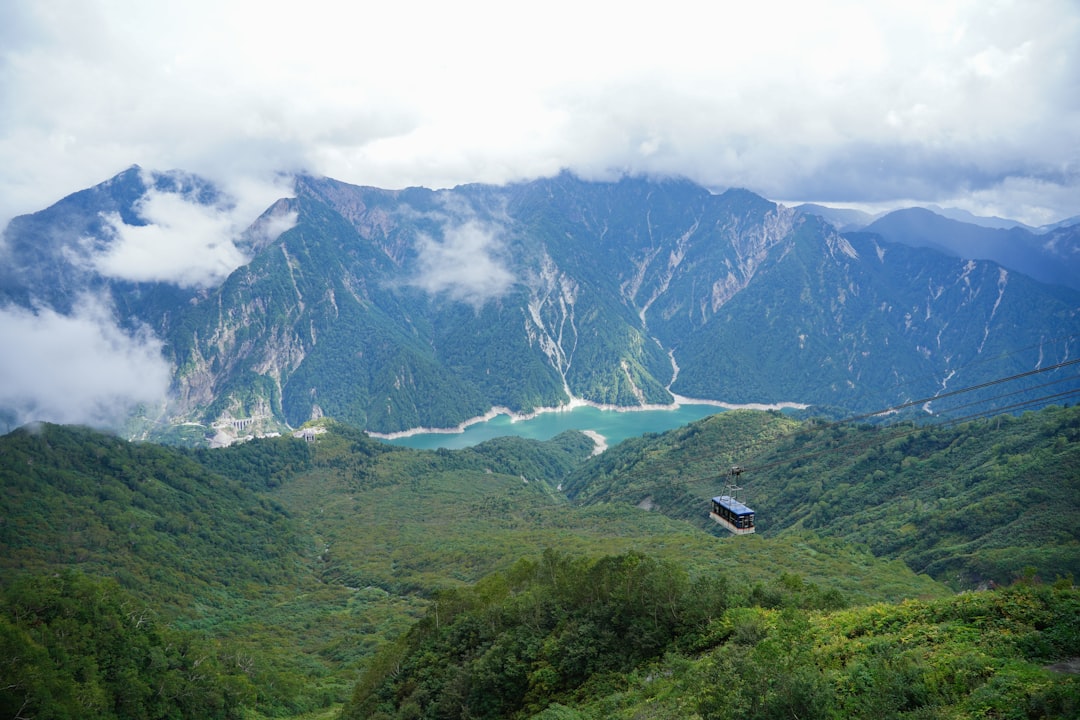

Photo by Zion C on Unsplash
Introduction to the Tateyama Kurobe Alpine Route
Stretching across the rugged spine of the Northern Japan Alps, the Tateyama Kurobe Alpine Route is one of the most spectacular mountain journeys in the world. Connecting Toyama Prefecture and Nagano Prefecture, this 90-kilometer corridor combines cable cars, ropeways, electric buses, and a funicular to whisk travelers through alpine scenery that changes dramatically with the seasons. Because the route is only open for part of the year, timing your visit correctly is essential to experiencing it at its best. This guide breaks down what to expect season by season, so you can plan the perfect Tateyama Kurobe adventure.
Understanding the Route and Its Operating Season
The Alpine Route typically opens in mid-April and closes in late November, with exact dates varying slightly depending on snow conditions each year. During this window, visitors can travel the full route between Tateyama Station (Toyama side) and Ogizawa Station (Nagano side), passing through iconic stops such as Bijodaira, Murodo, Daikanbo, Kurobedaira, and Kurobe Dam. Because no cars are allowed on most sections, the journey itself—using a mix of cable cars, trolley buses, ropeways, and a funicular railway—is as much a part of the experience as the destinations along the way.
Why Seasonal Timing Matters
Unlike many destinations that offer a fairly consistent experience year-round, the Tateyama Kurobe Alpine Route transforms completely depending on the month. The famous snow walls, alpine wildflowers, autumn foliage, and crisp late-season air each belong to a specific window of time. Knowing what each season offers helps you choose the right time for your travel priorities, whether that is photography, hiking, or simply witnessing one of Japan’s most famous natural spectacles.
Spring: The Snow Corridor Season
Spring, particularly from mid-April through June, is the most popular time to visit the Alpine Route, largely thanks to the famous Yuki-no-Otani Snow Corridor near Murodo. Here, snowplows carve a path through walls of snow that can reach up to 20 meters high, creating a dramatic canyon-like walkway for visitors to explore on foot. Highlights of the spring season include:
- The Snow Corridor at its tallest right after opening in mid-April
- Crisp, clear mountain air and dramatic contrasts between white snowbanks and blue sky
- Fewer wildflowers but excellent photo opportunities with the snow walls
- Cooler temperatures at high elevations, so warm layers are essential even in late spring
What to Expect and Pack
Even though lowland Japan may be enjoying mild spring weather, the alpine zone around Murodo sits at nearly 2,450 meters and can feel like winter well into May. Pack a warm jacket, gloves, and sturdy walking shoes, as paths can be icy or slushy depending on the day. Sunglasses are also recommended, as sunlight reflecting off the snow can be intense.
Early Summer: Blooming Alpine Flora
By June and into July, much of the snow at lower elevations has melted, revealing vibrant alpine meadows around Murodo and Mikurigaike Pond. This is an excellent time for:
- Spotting alpine wildflowers such as chinguruma and Japanese gentians
- Hiking around Mikurigaike Pond, one of the highest ponds in Japan
- Enjoying milder weather while some patches of the Snow Corridor still remain
- Birdwatching and spotting local wildlife like the Japanese rock ptarmigan
Early summer offers a nice balance between lingering snow scenery and blooming greenery, making it a favorite for hikers who want to explore beyond the main sightseeing stops.
Midsummer: Peak Hiking Season
July through August is considered the best time for serious hiking and mountaineering in the surrounding Tateyama mountain range. Trails leading to peaks like Mount Tateyama itself become fully accessible, and mountain huts along the way are open for multi-day treks. Key features of midsummer travel include:
- Long daylight hours, ideal for full-day hikes
- Warmer temperatures at lower stations, though Murodo remains cool
- Clear mountain views, weather permitting, especially in the early morning
- Larger crowds during Japan’s summer holiday periods, so early bookings are recommended
Tips for Summer Visitors
Weather in the alps can change quickly, so even in summer, carry a light waterproof jacket and check forecasts before setting out on longer trails. Hydration and sun protection are also important, as UV exposure is stronger at high altitudes.
Autumn: Fall Foliage Spectacle
Autumn, generally from late September through October, transforms the Alpine Route into a canvas of red, orange, and gold. The foliage season typically begins at higher elevations around Murodo and Daikanbo before moving down toward Kurobedaira and Kurobe Dam over the following weeks. Highlights include:
- Vivid autumn colors framing the dramatic backdrop of Kurobe Dam
- Cooler, crisp air ideal for hiking and photography
- The famous Kurobe Dam water discharge event, often paired with rainbow views on sunny days
- Shorter daylight hours, so plan itineraries with earlier start times
Best Spots for Foliage Viewing
Kurobedaira Ropeway offers one of the most photographed autumn views on the entire route, with a sea of colorful treetops visible from the cable car. Daikanbo Station also provides panoramic views combining foliage with distant mountain peaks, making it a top stop for photographers during this season.
Late Autumn: The Final Weeks Before Closure
As November approaches, temperatures drop quickly and snow can begin to return to the higher sections of the route. This period, just before the seasonal closure in late November, offers a unique atmosphere combining the last of the fall colors with early winter conditions. Travelers visiting during this window should be prepared for colder weather, reduced services at some facilities, and the possibility of early snowfall affecting visibility.
Winter Closure: Why the Route Shuts Down
The Tateyama Kurobe Alpine Route closes entirely during winter, generally from late November through mid-April, due to extremely heavy snowfall that makes the mountain roads and facilities unsafe to operate. This closure is actually what makes the spring Snow Corridor possible, as snow accumulates to remarkable depths throughout the winter months before being carved open again in spring.
Planning Your Visit: General Tips
- Book cable car and bus tickets in advance during peak seasons such as spring’s Snow Corridor period and autumn foliage weeks
- Dress in layers, as temperatures can vary significantly between the base stations and the alpine summit areas
- Allow a full day to enjoy the round trip journey and stops along the way
- Check official operating schedules before traveling, as exact opening and closing dates can shift slightly each year
- Consider staying overnight at Murodo or nearby mountain lodges to experience sunrise or sunset in the alpine zone
Final Thoughts
The Tateyama Kurobe Alpine Route offers a completely different experience depending on when you visit, from towering snow walls in spring to blazing foliage in autumn. There is no single best season to visit, only the season that matches what you want to see and do. Whether you are chasing dramatic snow scenery, alpine wildflowers, summer hikes, or brilliant fall colors, understanding this seasonal rhythm will help you plan an unforgettable journey through one of Japan’s most breathtaking mountain landscapes.