
Photo by henry perks on Unsplash
Welcome to Naoshima: Japan’s Art Island in the Seto Inland Sea
Tucked away in the Seto Inland Sea between Honshu and Shikoku, Naoshima has transformed from a quiet fishing village into one of the world’s most celebrated destinations for contemporary art lovers. This small island, along with its neighbors Teshima and Inujima, forms the heart of the Benesse Art Site, a remarkable fusion of world-class museums, striking architecture, and outdoor installations set against a backdrop of tranquil coastal scenery. If you’re planning a trip to Japan that goes beyond Tokyo and Kyoto, Naoshima deserves a prominent spot on your itinerary.
This complete travel guide covers everything you need to know: how to get there, what to see, where to stay, and insider tips to make the most of your visit to this unique art island.
Why Visit Naoshima?
Naoshima is unlike any other destination in Japan. Instead of temples and shrines, you’ll find cutting-edge museums designed by legendary architect Tadao Ando, site-specific art installations scattered across the landscape, and a laid-back island atmosphere that encourages slow, mindful exploration. The island’s rebirth as an art destination began decades ago when the Benesse Corporation partnered with local communities to revitalize the region through culture and creativity, turning depopulated villages into open-air galleries.
Visitors come for the art, but they stay for the experience: cycling along quiet coastal roads, eating fresh seafood, soaking in island sunsets, and discovering art in unexpected places, from converted houses to underground museum spaces built into hillsides.
How to Get to Naoshima
Naoshima is most commonly accessed via ferry from Uno Port in Okayama Prefecture or from Takamatsu Port in Kagawa Prefecture on Shikoku. Both routes are straightforward and scenic.
- From Okayama: Take a train from Okayama Station to Uno Station (about 40 minutes), then a short ferry ride (around 20 minutes) to Miyanoura Port on Naoshima.
- From Takamatsu: Ferries depart from Takamatsu Port and take approximately 50 minutes to reach Naoshima.
- From Osaka or Kyoto: Combine a shinkansen or limited express train to Okayama with the ferry connection above for a full-day journey.
Ferry schedules can be limited, especially in the off-season, so it’s wise to check timetables in advance and plan your visit around departure times. During popular art festival periods, ferries can fill up quickly, so arriving early or booking ahead is recommended.
Getting Around the Island
Naoshima is small, but its attractions are spread out, so having a plan for transportation is essential.
- Rental bicycles: The most popular way to explore, including electric-assist bikes that make the hillier stretches manageable.
- Local buses: A community bus connects Miyanoura Port to the main museum areas, though it can get crowded during peak hours.
- Walking: Feasible for exploring the Honmura area’s Art House Project, but not practical for reaching the museums on the other side of the island.
Must-See Art and Museums
Chichu Art Museum
Designed by Tadao Ando, this museum is built almost entirely underground to preserve the natural landscape. It houses works by Claude Monet, James Turrell, and Walter De Maria, presented in specially designed rooms that use natural light to dramatic effect. Advance reservations are required, so book your time slot before arriving.
Benesse House Museum
Part museum, part hotel, Benesse House blends art, architecture, and accommodation into one seamless experience. Guests staying overnight enjoy after-hours access to the galleries, while day visitors can explore the museum’s collection of modern art alongside sweeping views of the Seto Inland Sea.
Art House Project in Honmura
In the historic Honmura district, several traditional houses have been transformed into individual art installations. Each house offers a distinct artistic experience, from immersive light installations to reflective pools, blending old Japanese architecture with contemporary artistic vision.
Yayoi Kusama’s Pumpkins
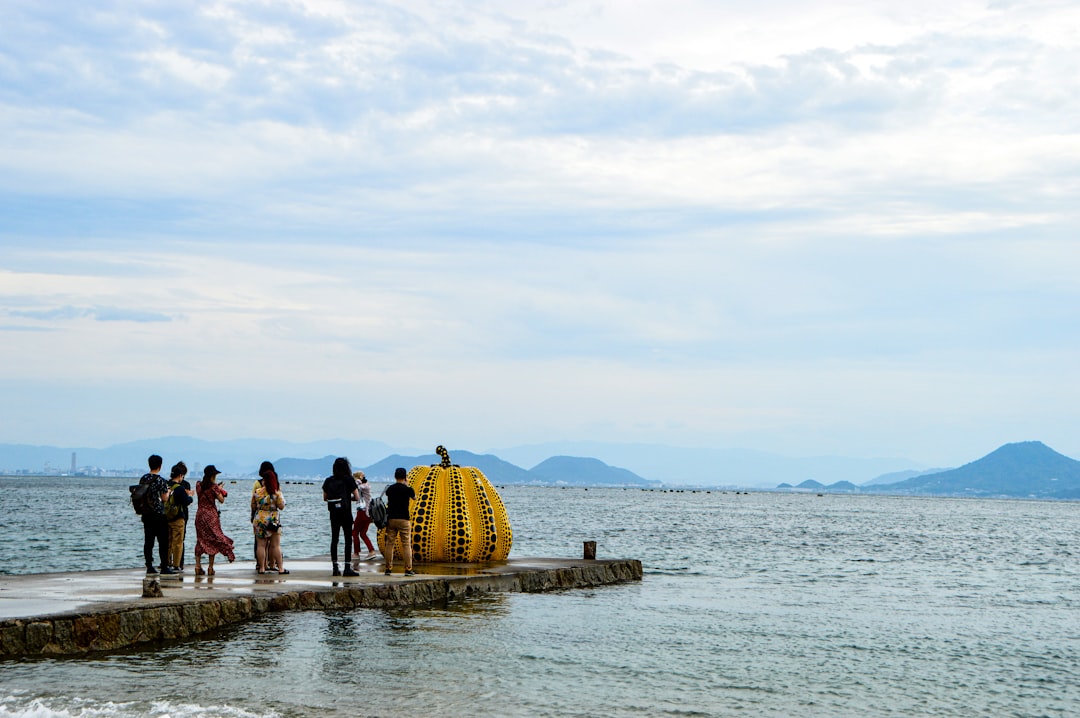
No visit to Naoshima is complete without a photo beside Yayoi Kusama’s iconic polka-dot pumpkin sculptures. The yellow pumpkin near Miyanoura Port and the red pumpkin closer to Benesse House have become symbols of the island itself.
Lee Ufan Museum
Another Ando-designed space, this museum showcases the minimalist works of Korean artist Lee Ufan, emphasizing the relationship between natural materials, space, and silence.
Exploring Beyond Naoshima
If time allows, extend your trip to the neighboring islands that are part of the same art network.
- Teshima: Home to the extraordinary Teshima Art Museum, an organic, drop-shaped structure that feels like walking inside a living sculpture.
- Inujima: A former copper refinery turned art museum, offering a quieter, more industrial contrast to Naoshima’s polished galleries.
Combining two or three islands into a multi-day itinerary offers a fuller picture of the region’s ambitious art revival project.
Where to Stay on Naoshima
Accommodation options range from budget guesthouses to upscale design hotels.
- Benesse House: For travelers wanting an immersive art experience, staying within the museum complex is unforgettable, though rooms should be booked well in advance.
- Guesthouses and minshuku: Family-run lodgings near Honmura and Miyanoura offer affordable, authentic stays with warm hospitality.
- Day trips: Many visitors choose to stay in Okayama or Takamatsu and visit Naoshima as a day trip, which works well if you’re focusing on just the main museums.
Best Time to Visit Naoshima
Naoshima is a year-round destination, though each season offers something different. Spring and autumn bring comfortable temperatures and pleasant conditions for cycling and outdoor exploration. Summer is lively but can be hot and humid, while winter offers a quieter, more contemplative atmosphere with fewer crowds. Every three years, the island also becomes part of a larger regional art festival that draws visitors from around the world, though the museums and permanent installations remain open and worthwhile outside of that period as well.
Practical Tips for Visiting Naoshima
- Book museum tickets and, if applicable, ferry reservations in advance during busy periods.
- Bring cash, as some smaller shops, restaurants, and ticket counters may not accept cards.
- Wear comfortable shoes for walking and cycling across uneven terrain.
- Check the operating hours of each museum, as many close relatively early in the evening.
- Allow at least two full days if you want to see the major museums without rushing.
- Sample the local seafood and regional specialties at small restaurants near Honmura and Miyanoura.
Final Thoughts
Naoshima offers a rare travel experience where art, architecture, nature, and island life intersect seamlessly. Whether you’re an art enthusiast eager to see world-renowned installations or simply looking for a peaceful escape from Japan’s bustling cities, this small island delivers something memorable at every turn. With thoughtful planning around ferries, museum reservations, and accommodation, your visit to Naoshima can become one of the most rewarding chapters of your Japan travel story.