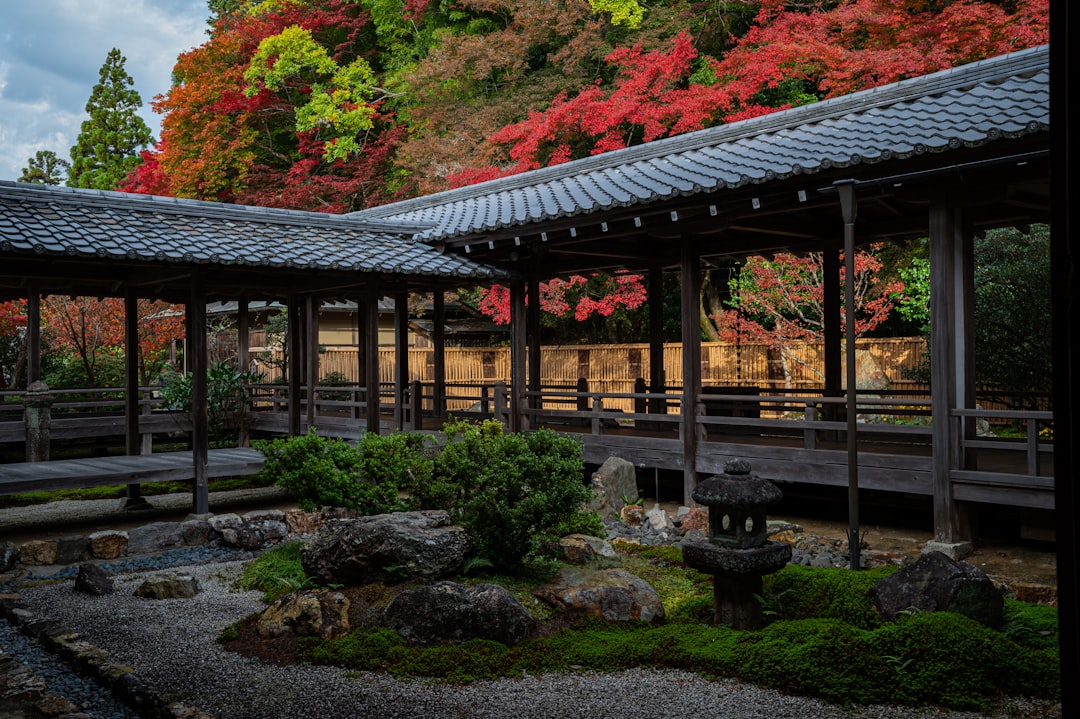

Photo by Samuel Berner on Unsplash
Discovering Kyoto Beyond the Crowds
Kyoto is famous the world over for its golden pavilions, vermillion torii gates, and centuries-old wooden temples that draw millions of visitors every year. Yet beyond the well-trodden paths of Kinkaku-ji and Fushimi Inari lies another Kyoto entirely — a quieter, more contemplative city dotted with hidden temples that most tourists never find. These lesser-known sanctuaries offer something the famous landmarks often cannot: silence, space to breathe, and an authentic connection to the spiritual heart of Japan.
If you have already checked the major sights off your list, or simply want to experience Kyoto the way locals do, this guide to hidden temples in Kyoto will lead you toward moss-covered stone paths, secluded gardens, and centuries-old halls where you can hear nothing but wind chimes and birdsong.
Why Seek Out Kyoto’s Hidden Temples?
Kyoto is home to over a thousand Buddhist temples and Shinto shrines, yet the vast majority of visitors only see a handful of the most famous ones. This means that just a short walk or bus ride away from the crowds, you can find temples that are just as beautiful — sometimes even more so — without the crowds jostling for the perfect photo.
- Peaceful atmosphere for meditation and reflection
- Better photography opportunities without crowds in the frame
- A deeper, more personal connection with Japanese culture and history
- The joy of discovery, wandering quiet backstreets and forested hillsides
Top Hidden Temples in Kyoto to Explore
Gio-ji Temple
Tucked away in the Sagano district near Arashiyama, Gio-ji is a tiny thatched-roof temple surrounded by one of the most enchanting moss gardens in all of Kyoto. Named after a tragic tale of a court dancer who became a nun here, Gio-ji feels like stepping into a fairy tale forest. The temple is small enough to see in twenty minutes, yet its beauty lingers far longer in memory. Visit in early morning to have the mossy garden almost entirely to yourself.
Honen-in Temple
Located along the Philosopher’s Path but often overlooked by those rushing toward Ginkaku-ji, Honen-in is framed by a thatched gate and twin mounds of raked white sand that change design with the seasons. The approach through a canopy of maple trees is especially magical in autumn, though the temple’s mossy stone steps and quiet ponds are worth visiting in any season.
Anrakuji Temple
Just a short walk from Honen-in, Anrakuji is a small temple with a poignant history tied to two nuns who were executed for their devotion to Buddhism. It is only open to the public a few times a year, which makes a visit here feel like a rare privilege. The autumn foliage and spring cherry blossoms around the temple are stunning and rarely crowded.
Shisen-do Temple
Once the retirement villa of a samurai-turned-scholar, Shisen-do in northern Kyoto combines a refined garden with sweeping views and a deep sense of tranquility. Visitors can sit on the wooden veranda overlooking the raked gravel garden and listen to the gentle clack of a traditional deer scarer, known as a shishi-odoshi. Few tour groups make it this far north, so quiet contemplation is almost guaranteed.
Sanzen-in Temple in Ohara
While technically outside central Kyoto, the mountain village of Ohara is easily reached by bus and rewards travelers with the stunning moss gardens of Sanzen-in. Ancient cedar trees and centuries-old stone Buddhas peek out from carpets of vivid green moss, creating a scene that feels untouched by time. Ohara itself is a peaceful farming village, making the whole day trip feel like a hidden escape.
Jojakko-ji Temple
Perched on a hillside in Arashiyama, Jojakko-ji offers panoramic views over the bamboo groves and rooftops of Sagano, yet remains largely bypassed by visitors heading straight for the famous bamboo grove. Climbing its stone steps past a rustic wooden gate feels like entering a hidden world, especially during the fiery colors of autumn.
Tips for Visiting Kyoto’s Hidden Temples
Go Early or Late in the Day
Many hidden temples keep the same hours as their famous counterparts, but because they attract fewer visitors overall, arriving right at opening time or an hour before closing can mean having an entire garden to yourself.
Rent a Bicycle
Many of Kyoto’s hidden temples are located in residential neighborhoods or at the edge of forested hills, areas not always well served by train lines. Renting a bicycle allows you to wander flexibly between smaller temples that are otherwise time-consuming to reach by bus.
Respect Photography Rules
Some hidden temples, particularly those with fragile moss gardens or historic wooden interiors, restrict photography inside certain buildings. Always look for signage, and when in doubt, ask a temple attendant before taking photos.
Dress Modestly and Move Quietly
These are active places of worship, not simply tourist attractions. Speaking softly, removing shoes where required, and avoiding loud group conversations will help preserve the peaceful atmosphere that makes these hidden temples special in the first place.
Check Seasonal Opening Times
Some temples, like Anrakuji, only open to the public during specific weeks of the year, often tied to cherry blossom or autumn foliage seasons. It is worth checking current opening schedules before planning a visit so you do not arrive to a locked gate.
Combining Hidden Temples with a Kyoto Itinerary
You do not need to abandon the famous sights entirely to enjoy Kyoto’s hidden temples. Many of the quieter locations mentioned above are located near well-known attractions, meaning you can easily combine both in a single day. For example, pair a morning at the bustling Fushimi Inari Shrine with an afternoon at the serene Gio-ji in Arashiyama, or walk the Philosopher’s Path toward Ginkaku-ji before detouring to Honen-in and Anrakuji.
This approach lets you experience the full spectrum of Kyoto, from the grandeur of its most iconic sites to the quiet intimacy of its hidden corners, giving you a richer and more balanced picture of the city’s spiritual and cultural depth.
Final Thoughts on Kyoto’s Hidden Temples
Kyoto’s true magic often reveals itself not in its busiest landmarks, but in the quiet spaces tucked between hillsides, bamboo groves, and residential streets. Seeking out these hidden temples in Kyoto rewards travelers with moments of genuine stillness, a rarity in modern travel. Whether you are drawn by moss gardens, autumn leaves, or simply the desire to escape the crowds, these lesser-known sanctuaries offer an unforgettable and deeply personal way to experience the ancient capital.